Top Emergency Plumbers in Vancouver, WA, 98607 | Compare & Call


Christensen Plumbing
Christensen Plumbing is a family-owned and operated plumbing service based in Vancouver, WA, with deep roots in the local community. Founded in 2007 by Brad Christensen, who has over 30 years of plumb...
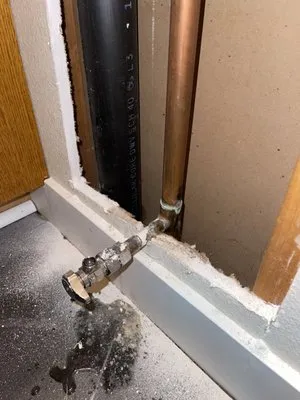
At Go With The Flow Plumbing, we are your Vancouver, WA neighbors dedicated to reliable, straightforward plumbing solutions. Our approach is built on getting it right the first time, whether you're de...
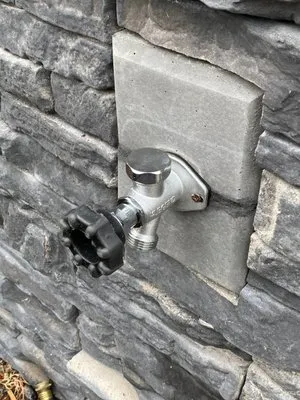
Summit Plumbing is a trusted local fixture in Vancouver, WA, built on a foundation of deep expertise and genuine customer care. Owner Tyler Draper, who began his plumbing career in 2001, purchased the...
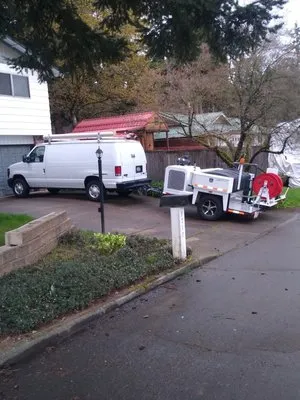
For 25 years, I've been the person Vancouver, WA homeowners and businesses call when their drains stop working. Now, with my own shop, That Drain Guy, I personally handle every job to ensure the quali...

P1 Plumbing
P1 Plumbing is a family-owned, licensed, bonded, and insured plumbing service based in Vancouver, WA, serving the local community and the Portland Metro area. With over 16 years of industry experience...
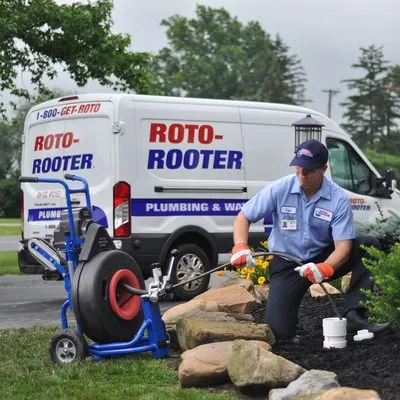
Roto-Rooter Plumbing & Water Cleanup
When Vancouver, WA homeowners and businesses face plumbing issues, they rely on the dependable, fast, and friendly team at Roto-Rooter Plumbing & Water Cleanup. We're a locally available, fully staffe...
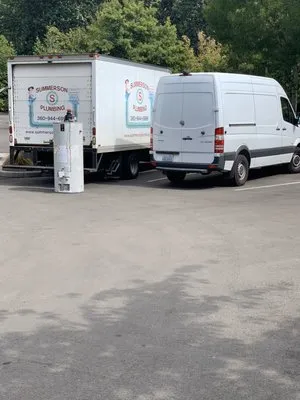
Summerson Plumbing has been a trusted fixture in the Vancouver community since 2005, operating as a family-owned business dedicated to solving plumbing problems for Clark County residents and business...
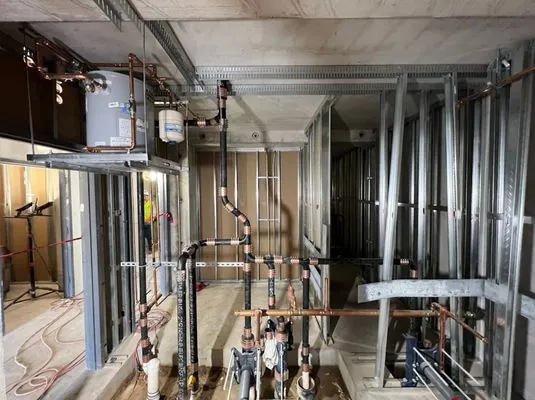
Cascade Clean Water LLC is your trusted local plumbing partner in Vancouver, WA. With several years of industry experience, our licensed team provides dependable plumbing solutions for both homes and ...
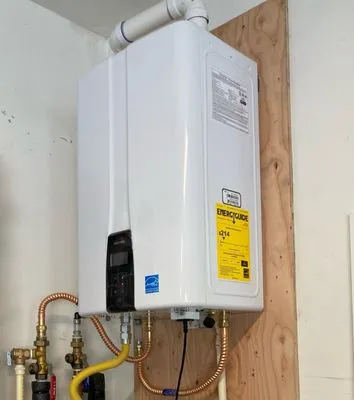
White Oak Plumbing is a licensed, bonded, and insured Vancouver, WA, plumbing company dedicated to providing reliable solutions for both homes and businesses across Clark County. Our team combines dee...

Advanced Plumbing has been a trusted name in Vancouver, Washington, since 1971. As a family-operated business, we take pride in our deep local roots and commitment to serving our neighbors. Our team s...
Estimated Plumbing Costs in Vancouver, WA
Q&A
My drains are slow but the city says the main line is clear. What's wrong?
In an urban setting like Vancouver, the issue is typically in your private sewer lateral, the pipe running from your home to the city main. Over 40 years, two common failures occur: the pipe's interior can become heavily coated with grease and scale, narrowing the diameter, or tree roots have infiltrated the joints. Municipal pressure is fine, but your lateral's capacity is compromised, requiring mechanical cleaning or, in severe cases, full replacement of the compromised section.
How quickly can a plumber get to me if I have a burst pipe?
Heading past Fort Vancouver on I-5, a service truck can typically reach most Vancouver addresses within 30 to 45 minutes, depending on traffic. We route our dispatch to prioritize water emergencies, using the interstate as the main artery to access neighborhoods quickly. Knowing the local surface street shortcuts from the I-5 exits is key to minimizing that final leg of the trip when you need help fast.
What is a pinhole leak in copper pipe, and why does it happen?
A pinhole leak is a tiny, localized failure in a copper pipe wall, often appearing on horizontal runs. In 1980s-era copper, it's frequently caused by a combination of acidic water conditions over decades and a process called erosion-corrosion, where the protective inner scale is worn away. The pipe doesn't fail all at once; it thins from the inside until a pin-sized hole develops, leading to a surprisingly high-pressure spray that can cause substantial water damage behind walls.
Could my home's low spot be causing plumbing problems?
Low-lying terrain, common around the Fort Vancouver area, can affect your main sewer line. The constant gravitational pull on waste and the natural settling of the soil over decades puts persistent stress on the pipe, especially at joints. This can lead to bellies or sags in the line where debris collects, causing recurring slow drains or complete blockages. It also increases the risk of root intrusion seeking the moisture in the soil surrounding the pipe.
Who pulls the permits for a water heater replacement or repipe job?
A licensed, bonded, and insured plumbing contractor handles all permitting through the City of Vancouver Permit Center and complies with Washington State Department of Labor and Industries regulations. This includes scheduling inspections for pressure tests and final approval. My credentials mean I manage that red tape directly; you won't need to visit city hall or worry about the paperwork being filed correctly for your insurance or future home sale.
Does Vancouver's hard water damage my water heater?
Water from the Troutdale Aquifer is rich in minerals, primarily calcium and magnesium. This hard water leads to scale buildup inside your water heater's tank and on its heating elements. The scale acts as an insulator, forcing the unit to work harder and use more energy, while also trapping heat against the tank wall and elements, accelerating their failure. An annual flush to remove sediment can significantly extend the appliance's lifespan.
Do I need to drip my faucets during a Vancouver winter?
When overnight lows are forecast to hit 35°F or below, dripping a faucet on an exterior wall is a prudent pro-tip. Our temperate climate means deep freezes are brief, but the damp cold can penetrate uninsulated crawl spaces quickly. A slow drip maintains water movement in vulnerable supply lines, preventing the static water from reaching the freezing point and splitting the pipe. Focus on faucets farthest from where the main line enters the house.
Why am I suddenly getting so many leaks in my Vancouver home?
Your copper plumbing, installed around 1986, is now 40 years old. In the Uptown area, we're seeing this age mark a critical failure point where decades of water chemistry and micro-vibrations from municipal pressure cycles finally cause pinhole leaks to appear. It's not one single event, but the cumulative effect of the metal's natural aging process in our specific water conditions. These leaks often cluster behind walls and under slabs, becoming visible only after significant corrosion has occurred.
