Top Emergency Plumbers in Seaford, NY, 11783 | Compare & Call

John's Plumbing & Heating is a trusted, owner-operated plumbing service based in Seaford, NY, with over 30 years of experience serving Nassau County, particularly the South Shore and Westbury areas. A...

Brian Fenning Plumbing & Heating
Brian Fenning Plumbing & Heating has been a trusted fixture in Seaford and across Nassau County since 1986. With over four decades of hands-on experience, Brian Fenning established this family-owned b...
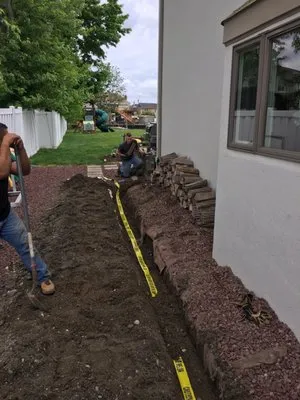
BBC Mechanical is a family-owned plumbing, heating, and mechanical contractor serving Seaford, NY, and surrounding Long Island communities. Licensed and insured for Nassau and Suffolk Counties, we pro...
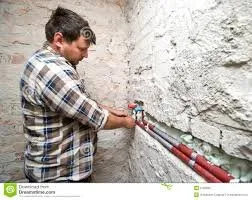
Seaford Plumbing and Heating
Seaford Plumbing and Heating has been the trusted local provider for plumbing and HVAC needs in Seaford, NY, for over 20 years. We are a fully licensed, bonded, and insured team committed to building ...
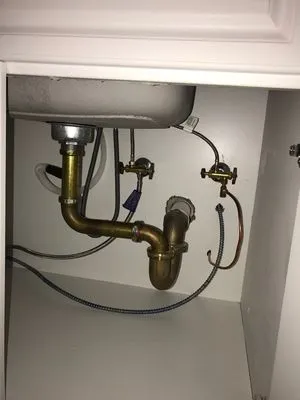
At M&S Elite Contracting in Seaford, NY, we understand that your home is your most important investment. For over a decade, our team of licensed professionals has been dedicated to making home repairs...
Naomi Street Plumbing and Heating
Naomi Street Plumbing and Heating is a trusted, licensed plumbing and heating contractor serving Seaford, NY, with a commitment to reliable service and community-focused expertise. Founded by James, a...
Charles Court Plumbing and Heating
Charles Court Plumbing and Heating is a licensed, full-service provider based right in Seaford, NY, committed to serving the local community. We offer comprehensive solutions for your home's essential...
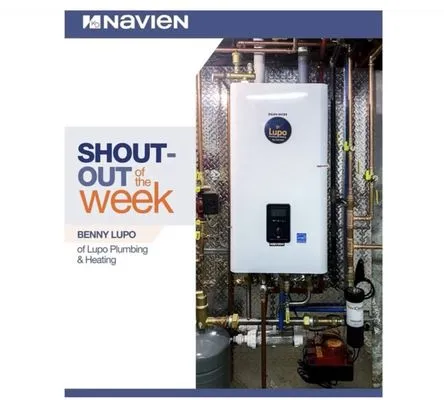
Lupo Plumbing And Heating is a trusted, locally-owned plumbing company serving Seaford and the surrounding communities. We specialize in diagnosing and fixing the common plumbing issues faced by homeo...
All Island Plumbing Heating & Cooling is a trusted, full-service provider serving Seaford and the surrounding area. We specialize in a comprehensive range of residential and commercial plumbing, heati...

ARA Plumbing & Heating is a trusted, locally-owned plumbing service serving Seaford, NY homeowners with reliable solutions for common plumbing challenges. We specialize in thorough plumbing inspection...
Estimated Plumbing Costs in Seaford, NY
FAQs
What permits or approvals do I need for plumbing work in Seaford?
The Town of Hempstead Building Department requires permits for most plumbing replacements, and the Nassau County Board of Examiners licenses all master plumbers. I handle the red tape so you don't have to - filing paperwork, scheduling inspections, and ensuring code compliance. My credentials with both agencies mean your project meets local requirements without you navigating bureaucratic processes. Proper documentation also protects your home's value during future sales.
Why do my old pipes keep springing small leaks even after repairs?
Galvanized steel from 1957 suffers from pinhole leaks caused by internal corrosion where the zinc coating has failed. Joint calcification is another common issue - mineral deposits build up at connections until they crack under pressure. These failures occur randomly along the pipe length, making spot repairs temporary at best. Complete pipe replacement becomes necessary once multiple sections show deterioration.
Could the land around Cedar Creek Park affect my home's drainage system?
Coastal terrain with gentle slopes toward the water affects drainage patterns throughout Seaford. Soil saturation from park runoff can put hydrostatic pressure on your main sewer line, especially during heavy rains. This stress may cause joint separation or pipe deflection over time. Proper grading around your foundation and regular drain cleaning prevent backups that originate from terrain-related water movement.
My Seaford Harbor home was built in the late 1950s - should I be worried about my plumbing?
Galvanized steel pipes installed around 1957 are now 69 years old, well beyond their 40-50 year lifespan. Homeowners in Seaford Harbor are seeing widespread pipe failures as the zinc coating has completely worn away. Rust buildup inside the pipes reduces water pressure to a trickle, and sections near joints often develop leaks. Many houses in this area need full repiping because the original material has reached its failure point.
How quickly can a plumber reach my home in Seaford during an emergency?
Heading past Cedar Creek Park on Southern State Parkway gets me into Seaford Harbor within 30-45 minutes for urgent calls. This route avoids local traffic bottlenecks while keeping me connected to the main arteries serving southern Nassau County. Once off the parkway, I know the neighborhood streets well enough to navigate directly to your address without delay.
As a suburban homeowner, what unique plumbing issues should I watch for?
Suburban Seaford properties often have mature trees whose roots seek moisture in sewer laterals. Municipal water pressure here typically runs 50-70 PSI, which stresses aging galvanized pipes. Unlike rural areas with wells, you're connected to town water mains that may have pressure fluctuations during peak usage. Regular inspections of your main shutoff valve and lateral connections prevent surprises from these suburban-specific factors.
Does Long Island's hard water damage my plumbing fixtures and appliances?
Water from the Long Island Aquifer System contains high mineral content that creates scale buildup inside pipes and appliances. Water heaters accumulate sediment that reduces efficiency and can cause premature failure. Fixtures develop crusty deposits around aerators that restrict flow. Installing a whole-house water softener protects your plumbing investment by removing minerals before they can cause damage.
What should I do to prepare my plumbing for Long Island's spring weather changes?
Temperatures dropping to 26°F followed by spring thaw creates freeze-thaw cycles that stress pipes. A pro-tip for this temperate climate: insulate exposed pipes in crawl spaces and garages before winter, then check for leaks as temperatures rise in spring. Thawing ground can shift foundation pipes, so monitor water pressure changes during seasonal transitions. These preventive steps help avoid emergency calls during peak demand periods.
