Top Emergency Plumbers in Asheboro, NC, 27203 | Compare & Call

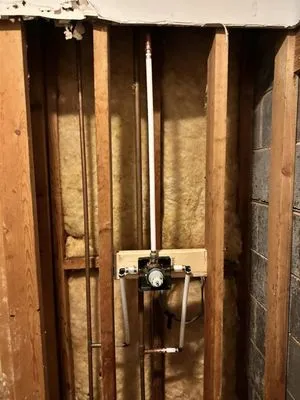
Affordable Plumbing Services of the Triad is a trusted, locally-owned plumbing company serving Asheboro and the surrounding Randolph County area. We provide a comprehensive range of residential plumbi...
Elite Plumbing & Drain Cleaning is a licensed and trusted plumbing service provider in Asheboro, NC (License #35358). We are dedicated to delivering reliable solutions for both residential and commerc...

Kinney's Plumbing and Home Repair is a trusted Asheboro-based contractor serving Randolph County with comprehensive plumbing and home improvement solutions. We specialize in addressing common local pl...

Practical Plumbing Service
For over 30 years, Practical Plumbing Service has been Asheboro's trusted local provider for plumbing, sewer, and HVAC needs. We specialize in delivering reliable solutions for everything from bathtub...

Delta Plumbing & Electrical Contractor
Delta Plumbing & Electrical Contractor has been a trusted name in Asheboro and Randolph County since 1977. Founded by Rick Spencer, the company began as RESpencer before adopting its current name in 1...

Burroughs Plumbing
Burroughs Plumbing is a trusted, family-owned plumbing service serving Asheboro and Randolph County with over 30 years of experience. Led by owner-operator Jamie Burroughs, we provide comprehensive re...
Mitchell Plumbing is a trusted, locally-owned plumbing service based in Asheboro, NC, dedicated to keeping the community's homes and businesses running smoothly. We specialize in addressing the plumbi...
Saunders Plumbing is a family-owned and operated plumbing service based in Asheboro, NC, with over 20 years of dedicated experience serving Randolph County. We are committed to providing reliable, pro...

Imperial Plumbing is a locally-owned and operated plumbing service proudly serving Asheboro and the surrounding Randolph County area. With over 25 years of hands-on experience, our team provides relia...
Jordan's of Asheboro is a trusted local plumbing service based in Asheboro, NC, dedicated to helping homeowners maintain safe and functional plumbing systems. We specialize in thorough plumbing inspec...
Estimated Plumbing Costs in Asheboro, NC
Common Questions
What is the most common plumbing problem in 1980s Asheboro homes?
Pinhole leaks in copper pipes are the most frequent issue. After 40-plus years, the internal protective lining of the pipe wears thin. Our soft, low-mineral water from Randleman Lake is slightly acidic, which accelerates this erosion at a microscopic level. These leaks often start at joints or where pipes rub against framing, and they manifest as small, persistent drips inside walls or ceilings long before a major failure occurs.
Does our soft Randleman Lake water affect my water heater or fixtures?
Yes, soft water with low mineral content is corrosive to certain metals over time. Inside your water heater, the anode rod, which is designed to sacrifice itself to protect the tank, will corrode much faster. It needs inspection every two to three years instead of five. For fixtures, the lack of scale buildup can be a benefit, but it means any minor flaw in chrome plating or valve seats can erode more quickly, leading to drips.
How quickly can a plumber get to my house near downtown Asheboro?
Our typical response from the shop is 20 to 30 minutes. The dispatch route often involves heading past the North Carolina Zoo on US-220, which provides a direct corridor into the city. Traffic is generally light, allowing for a consistent arrival window. We plan routes to avoid delays, so you receive a reliable time estimate when you call.
My Asheboro home was built around 1980 with copper pipes. Should I be worried about them now?
Your copper plumbing is now about 46 years old, which is the typical service life for that material. Homeowners in the Historic District are currently seeing a predictable wave of failures. These are not sudden bursts, but the cumulative effects of decades of water flow and microscopic erosion. You can expect to find pinhole leaks, especially at soldered joints, and a general thinning of the pipe walls in high-flow areas. It is a matter of when, not if, these sections will need replacement.
My home is on a hill. Could that be causing my drainage problems?
Absolutely. The hilly terrain common around Asheboro and the Zoo area puts constant, uneven stress on your main sewer line. Over decades, the soil settles and shifts downhill, which can cause the pipe to sag or develop bellies where waste collects. This terrain also accelerates surface water runoff during heavy rain, which can overwhelm gutter systems and lead to water pooling against your foundation if the grading isn't maintained.
Do I need a permit to replace a water heater or re-pipe my house in Asheboro?
Yes, most significant plumbing work requires a permit from the Asheboro Planning and Zoning Department. As a licensed Master Plumber credentialed by the North Carolina State Board of Examiners, I handle pulling those permits, scheduling inspections, and ensuring the work meets all current code. My license means I manage the red tape so you do not have to, and the job is documented correctly with the city for your home's records.
As a suburban homeowner, what should I know about my main sewer line?
Your lateral line from the house to the city main is your responsibility. In our suburban setting, the primary threat is tree roots seeking moisture. They infiltrate old pipe joints and cause blockages. Municipal water pressure is generally consistent, but that pressure can exacerbate any small leak into a major one. Knowing the location and condition of your cleanout access is key for maintenance and any required camera inspections.
What is one thing I should do every winter to prevent frozen pipes here?
Disconnect and drain your garden hoses. A forgotten hose left connected holds water back in the outdoor faucet and the pipe just inside the wall. When temperatures hit our winter low of around 28°F, that trapped water freezes first. It then expands back into the interior piping, which can split a copper line even in our generally temperate climate. This simple, five-minute task prevents the most common freeze-related call we get.
