Top Emergency Plumbers in Norwalk, CT, 06850 | Compare & Call

Advanced Rooter Plumbing
Advanced Rooter Plumbing is a locally owned and operated plumbing contractor serving Norwalk and the surrounding communities in Fairfield County, CT, as well as parts of Westchester County, NY. We und...
For over 30 years, Atomic Rooter has been Norwalk's reliable plumbing partner, founded by Steve, a seasoned professional and local father. The company is built on a foundation of honesty, fast respons...

Love Thy Plumber in Norwalk was founded on a simple, powerful idea: to redefine the plumbing experience through genuine connection and respect. We move beyond the transaction to build a real partnersh...
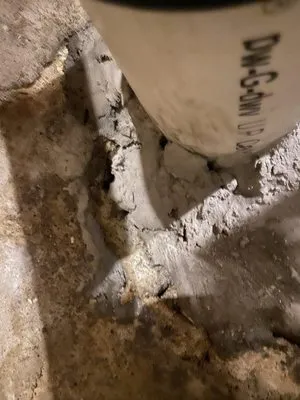
The Plumbing Artisans in Norwalk, CT, is a licensed plumbing service founded in 1989 by Bill Duncan, originally operating as Duncan & Duncan. With decades of experience serving lower Fairfield County,...
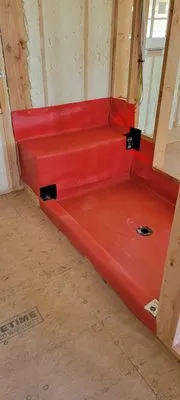
Badaracco Plumbing
Badaracco Plumbing has been a trusted fixture in Norwalk's plumbing landscape for over 28 years. As a family-operated business, we build our reputation on reliability and expert craftsmanship for both...

Sam's Rooter Service is a trusted, family-owned plumbing business that has been serving the Norwalk and greater Fairfield County community since 1969. With over five decades of combined experience amo...
Ron Rich Plumbing & Heating is a trusted, full-service plumbing contractor serving Norwalk, CT, and the surrounding communities. As a locally owned and operated business, Ron and his team understand t...
Effective Plumbing, LLC provides reliable plumbing contractor services to Norwalk, CT, and throughout Fairfield County. We focus on repairing and servicing existing systems to restore full functionali...
Caruso's Plumbing & Heating is a trusted, locally-owned plumbing service in Norwalk, CT, dedicated to keeping our community's homes safe and comfortable year-round. We specialize in comprehensive plum...
Astacio Plumbing & Heating & Air Condition
Astacio Plumbing & Heating & Air Conditioning is a licensed and trusted contractor serving Norwalk, Connecticut and the surrounding communities. We specialize in comprehensive HVAC, plumbing, and elec...
Estimated Plumbing Costs in Norwalk, CT
Q&A
What should I do to prepare my plumbing for Norwalk's spring thaw?
Spring thaw brings rapid temperature shifts that stress plumbing systems. Insulate exposed pipes in crawl spaces and attics before temperatures drop to 22°F overnight. Drain outdoor spigots and disconnect hoses to prevent freeze damage. Check for foundation cracks where cold air might reach interior pipes. These preventive steps during late winter can avoid burst pipes when thawing begins in March.
What permits and regulations apply to plumbing work in Norwalk?
The Norwalk Building Department requires permits for most plumbing modifications, including water heater replacements and pipe rerouting. As a Connecticut Department of Consumer Protection licensed plumber, I handle all permit applications and inspections. This ensures work meets current code standards for safety and insurance compliance. Managing this red tape protects homeowners from potential fines and ensures proper documentation for future property transactions.
How quickly can a plumber reach my home in Norwalk during an emergency?
Heading past The Maritime Aquarium on I-95, most Norwalk neighborhoods are within a 20-30 minute response window. This route allows quick access to both coastal areas and inland communities. For urgent situations like burst pipes or major leaks, we prioritize these dispatch paths to minimize water damage. Having your exact address ready helps us calculate the most efficient route through local traffic patterns.
Could my home's location near the coast affect my main sewer line?
Coastal terrain around Norwalk creates drainage challenges that stress main sewer lines. Properties on slopes experience increased pressure on pipe joints during heavy rain events. Soil movement from freeze-thaw cycles can misalign connections, leading to leaks or blockages. Near The Maritime Aquarium area, high water tables during storms sometimes overwhelm older drainage systems. Regular camera inspections help identify these terrain-related issues before they become emergencies.
As a Norwalk homeowner, what should I know about my connection to city water and sewer?
Norwalk's municipal system maintains consistent pressure, but aging infrastructure can create variations that stress household plumbing. Tree roots often invade sewer laterals in suburban neighborhoods, requiring regular cleaning to prevent backups. Water meter placement affects accessibility for repairs and maintenance. Understanding where your property line ends and municipal responsibility begins helps address issues efficiently without unnecessary service calls.
My Rowayton home was built around 1966 - should I be worried about my plumbing?
Copper pipes installed in 1966 are now 60 years old, which is near the end of their typical lifespan. Homeowners in Rowayton are seeing increased frequency of pinhole leaks and joint failures as the copper thins from decades of water flow. These small leaks often appear first in basement ceilings or behind walls before becoming more serious. Regular inspections can catch issues before they cause significant water damage to your home's structure.
Why do my 1960s copper pipes keep developing small leaks?
Copper pipes from the 1960s often develop pinhole leaks due to decades of internal corrosion and water chemistry interactions. The copper walls thin over time, creating weak spots that eventually perforate. Joint calcification is another common issue where mineral deposits compromise solder connections. These failures typically start in areas with turbulent water flow, like elbows and tees, before spreading to straight pipe sections.
Does Norwalk's hard water damage plumbing fixtures and appliances?
Hard water from the Norwalk River watershed deposits scale buildup inside pipes and appliances over time. Water heaters are particularly vulnerable as mineral accumulation reduces efficiency and can cause premature element failure. Fixtures develop reduced flow and staining from these deposits. Installing a water softener or using dielectric unions at connections helps mitigate this gradual damage to your home's plumbing system.
