Top Emergency Plumbers in Lyman, WY, 82937 | Compare & Call

There are 13 plumbing companies server in Lyman WY
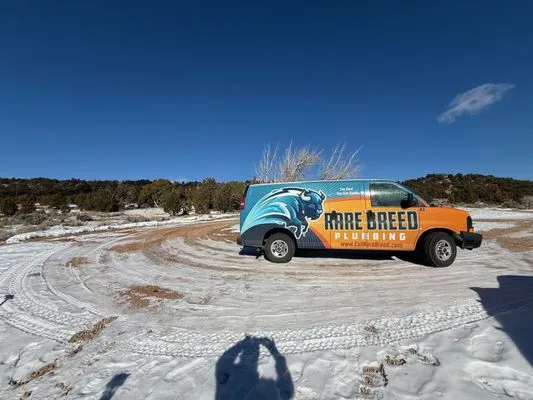
Rare Breed Plumbing
Rare Breed Plumbing is a licensed plumbing company serving Bountiful, UT, and surrounding areas since 2019. We provide comprehensive residential plumbing services, including bathtub and shower install...
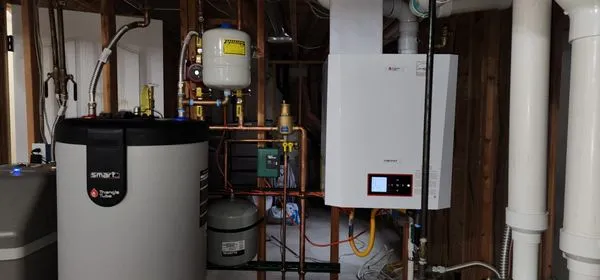
The Other Buddy Boilers & Radiant Heating
The Other Buddy Boilers & Radiant Heating serves Taylorsville and surrounding Wasatch Front communities with over 25 years of dedicated plumbing and hydronic heating expertise. As licensed specialists...
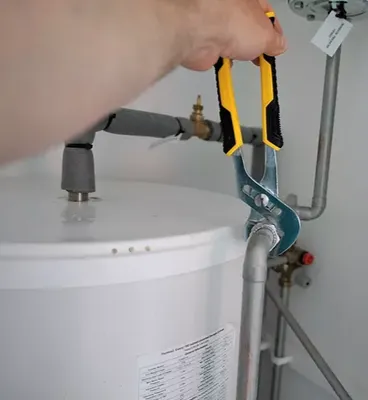
Right Choice Plumbing
Right Choice Plumbing is a family-owned, licensed, and insured plumbing service rooted in Morgan, UT. With over 25 years of dedicated experience, owner and Master Plumber Tony combines deep technical ...
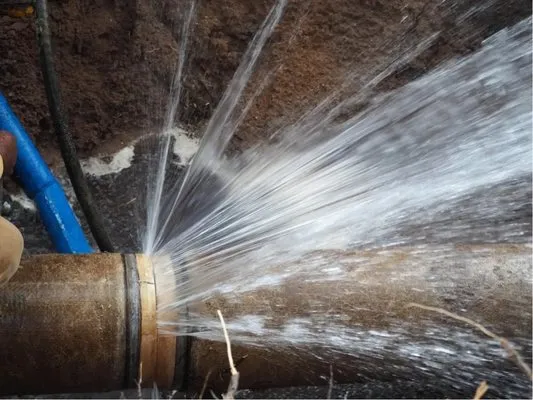
Water Main Utah is a trusted plumbing service provider based in Salt Lake City, UT, specializing in water main and sewer line solutions. With expertise in trenchless 'no-dig' methods, we offer efficie...
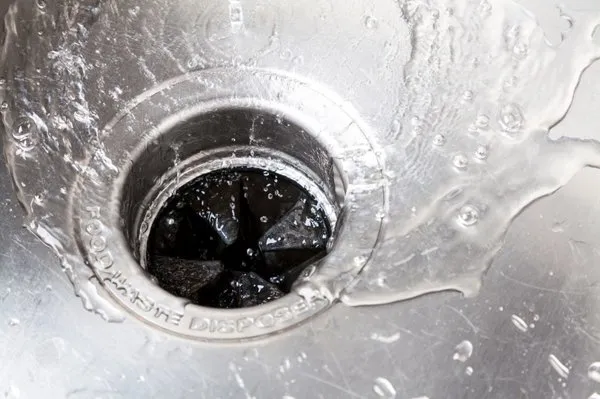
24 Hour Rooter Connectionz Plumbing & Drain Cleaning
24 Hour Rooter Connectionz Plumbing & Drain Cleaning has been Salt Lake City's trusted plumbing service for over 15 years. Founded to meet the need for reliable drain and sewer services in Salt Lake C...
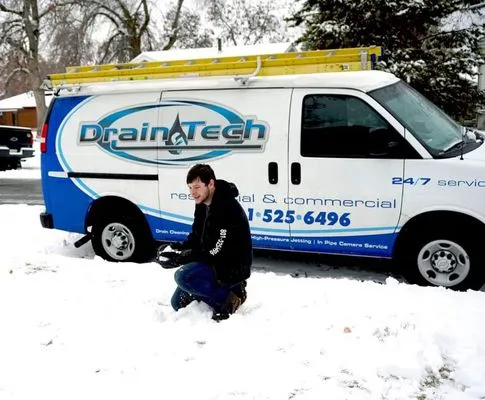
Drain Tech is a veteran-owned plumbing company serving Layton, UT, and the northern Wasatch Front for over 25 years. We specialize in drain repair, garbage disposal services, plumbing installations an...
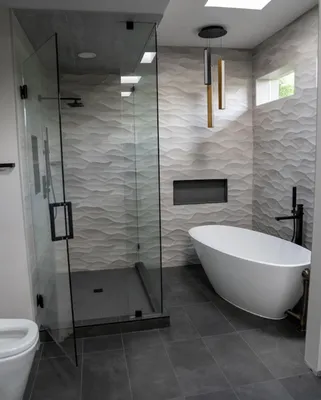
Rare Breed Plumbing
Rare Breed Plumbing is a trusted plumbing company proudly serving homeowners in Sandy, UT, and across Salt Lake, Summit, Weber, Wasatch, Davis, Utah, and Tooele Counties. We specialize in residential ...

Elevation Plumbing Heating and Air
Elevation Plumbing Heating and Air is a locally owned and operated plumbing and HVAC company serving Murray, UT, and surrounding areas. Founded by lifelong friends with deep roots in the trades—growin...

A Broke Girl Plumbing
A Broke Girl Plumbing is a woman-owned plumbing and contracting business serving Sandy, UT, with a commitment to integrity, expertise, and innovation. We challenge industry norms by delivering reliabl...

American Leak Detection of Utah is a family-owned local business serving Kaysville and all of Utah for over 23 years. We specialize in accurate, non-invasive leak detection and repair for residential,...
Estimated Plumbing Costs in Lyman, WY
Question Answers
What should I do to prepare my plumbing for Lyman's spring temperature swings?
With lows around 10°F and spring thaw creating peak pressure fluctuations, insulate exposed pipes before winter fully releases its grip. Check outdoor spigots for frost damage as temperatures rise. Monitor water pressure during thaw periods when ground shifting can stress connections. This proactive approach prevents the emergency calls that typically follow rapid temperature changes in our arid climate.
Why are so many homes in Lyman's Town Center having plumbing issues lately?
Copper plumbing installed around 1984 is now 42 years old. At this age, the protective oxide layer inside copper pipes begins to degrade, especially in our hard water conditions. Homeowners in Town Center are seeing increased pinhole leaks and joint failures as the metal fatigues from decades of thermal expansion and mineral abrasion. This isn't unexpected deterioration—it's the predictable lifespan of copper in our specific environment.
Does Lyman's flat terrain cause any particular drainage problems for homeowners?
The plain terrain around Lyman Town Park creates minimal natural slope for drainage. This puts constant hydrostatic pressure on main sewer lines as water seeks the path of least resistance. Over time, this pressure can stress pipe joints and connections. Proper grading around your foundation becomes crucial to prevent water from pooling against underground plumbing. We often see lateral line issues where flat topography combines with soil compaction from decades of settlement.
What causes those tiny leaks in older copper pipes around here?
Copper pipes from 1984 installations often develop pinhole leaks due to a combination of age and our water chemistry. The hard water creates scale buildup that traps corrosive elements against the pipe walls. Over four decades, this leads to localized corrosion that eventually penetrates the copper. These leaks typically appear first at joints and elbows where water turbulence accelerates the deterioration process.
How quickly can a plumber reach my home in Lyman during an emergency?
Heading past Lyman Town Park on I-80 gives us direct access to most neighborhoods. Our typical 45-60 minute response accounts for rural distances while using the interstate system efficiently. We maintain real-time traffic awareness to avoid delays, especially during seasonal road work. This routing ensures we reach you with the right tools for immediate assessment and repair.
Are there special considerations for plumbing in rural Lyman compared to bigger cities?
Rural Lyman properties typically rely on well systems and septic tanks rather than municipal connections. Well pumps require regular maintenance to handle our hard water conditions. Septic systems need careful management to avoid backups that can affect drainage throughout the property. Water pressure regulation becomes more critical since there's no municipal pressure balancing. These systems demand different expertise than urban plumbing installations.
Who handles permits and inspections for plumbing work in Uinta County?
We manage all required interactions with Uinta County Planning and Development and maintain Wyoming Department of Fire Prevention and Electrical Safety credentials. This includes securing permits for water heater installations, sewer line replacements, and major fixture upgrades. Handling this red tape ensures your project meets current codes without requiring you to navigate bureaucratic processes. Proper documentation protects your investment and maintains compliance for future property transfers.
How does water from the Blacks Fork River affect my home's plumbing fixtures?
Water from the Blacks Fork River carries high mineral content that creates hard water scaling throughout your plumbing system. This scale buildup reduces water heater efficiency by insulating heating elements and accumulating in tank bottoms. Fixtures develop reduced flow as mineral deposits narrow passages in faucets and showerheads. Regular descaling becomes necessary to maintain performance and extend appliance lifespans.
