Top Emergency Plumbers in Fox Farm College, WY, 82001 | Compare & Call

There are 50 plumbing companies server in Fox Farm College WY

Alpha Plumbing is a licensed plumbing contractor (PC.0002238) that has been serving the Fort Collins community and surrounding areas for over 20 years. As a locally owned business, we provide comprehe...

Based in Wellington, CO, The Drain Pros is a locally-owned plumbing service dedicated to providing genuine solutions, not just blanket repairs. We start every job with a free video inspection, allowin...
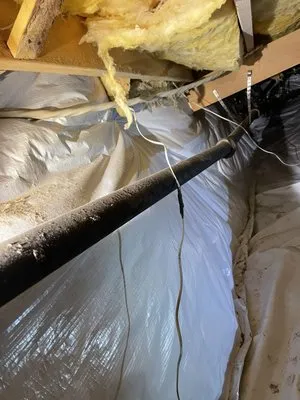
Nates Plumbing and Drain is a locally owned and operated plumbing service in Fort Collins, dedicated to providing reliable solutions for homeowners. With over six years of hands-on experience as a ser...

Sentry Fire & Safety
Sentry Fire & Safety has been a trusted part of the Colorado community since our founding in 1976. Starting in Denver, we've grown to serve the entire Front Range with three full-service locations, in...
Rocky Mountain Water Works
Rocky Mountain Water Works is a trusted utility contractor serving Northern Colorado, including Lonmont, with a focus on both commercial and residential projects. As the Operations Manager, I lead a t...
American Leak Detection of Northern Colorado
American Leak Detection of Northern Colorado in Firestone, CO, specializes in precise leak detection and comprehensive plumbing services for residential and commercial properties. We focus on minimizi...
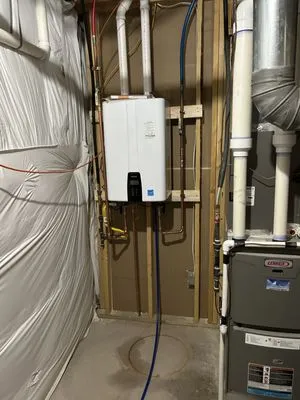
Dugan's Complete Plumbing Systems is a locally owned and operated plumbing company serving Cheyenne and the surrounding area. Established in 2023 and built on a foundation of over 15 years of hands-on...
Sewer & Drain Repair Specialists is a locally owned and operated business, rooted right here in Cheyenne. My journey started working with my dad at Bob's Plumbing while I finished college. I saw a nee...

Greetings from J S Plumbing. Founded in Cheyenne, WY in 2022, I bring over 20 years of plumbing experience to every job. After decades working for others, I decided to start my own one-man operation t...
House Calls in Cheyenne, WY, is your local solution for home maintenance and repair. We provide expert handyman and installation services, from plumbing to carpentry, directly to your doorstep. Cheyen...
Estimated Plumbing Costs in Fox Farm College, WY
FAQs
As a suburban homeowner here, what are my main plumbing concerns?
Your primary concerns are the age of the municipal connection and tree roots. Mature landscaping common in the neighborhood seeks water, and roots can infiltrate the sewer lateral between your house and the city main. We also monitor municipal water pressure fluctuations, which can stress old copper pipes and appliance connections.
How fast can a plumber get to my house in Fox Farm College?
Heading past Cheyenne Botanic Gardens on I-80, our typical dispatch route into Fox Farm-College takes 20-30 minutes. We plan our day to keep a truck staged on the west side of Cheyenne for calls in your area. For urgent water shut-offs, that window is a reliable estimate for a technician to be on site.
Why are my 1970s copper pipes suddenly failing?
Copper installed in 1971 has endured decades of our hard water. The specific failure is pinhole leaks caused by internal pitting corrosion. The solder used in joints from that era can also become brittle and fail. In many Fox Farm homes, we find the first signs in the basement ceiling or behind access panels, where pipes have been sweating against joists for years.
My pipes are original to my 1971 Fox Farm-College home. What should I expect now?
Your copper plumbing is 55 years old. In this neighborhood, we commonly see copper reaching the end of its service life. Homeowners report frequent pinhole leaks, especially in hot water lines, and a noticeable drop in water pressure from internal corrosion. This is the age where proactive replacement becomes more cost-effective than chasing repeated repairs.
Does the hard water from Crow Creek damage my plumbing?
Yes, the mineral content contributes to scale buildup. Inside a water heater, this scale acts as an insulator, forcing the unit to work harder and shortening its lifespan. On fixtures and showerheads, it restricts flow. The calcium deposits also accelerate wear on valve seats and supply lines, leading to drips that waste water.
What's one plumbing tip for the Cheyenne winter and spring?
Before the first hard freeze, disconnect and drain your garden hoses. An overlooked hose bib can freeze and crack the pipe inside the wall, leading to a major leak when the spring thaw hits. In our arid climate, pipes can dry out and become more brittle, making this simple step critical for preventing a common, costly emergency.
Who pulls permits for a water heater or repipe in Cheyenne?
I handle all required permits with the Cheyenne Building Safety Division and coordinate any necessary inspections for gas line work through the Wyoming Department of Fire Prevention and Electrical Safety. As the master plumber on the job, managing this red tape is my responsibility, ensuring the work is documented and compliant so you don't have to.
Could the flat land here cause drainage problems?
The plain terrain around Fox Farm-College lacks natural slope for drainage. During heavy rain or rapid spring snowmelt, water can pool against foundations. This saturates the soil and puts constant hydrostatic pressure on your home's underground sewer lateral, which can lead to joint failure or root intrusion over time, even without visible surface water.
