Top Emergency Plumbers in Wellsburg, WV, 26070 | Compare & Call

There are 29 plumbing companies server in Wellsburg WV
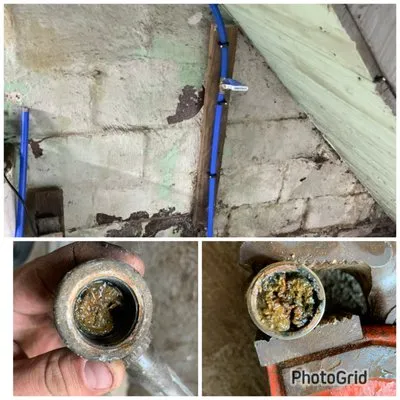
For over eight years, I've dedicated myself to the plumbing trade in the Upper Ohio Valley. What began as helping friends and neighbors with side jobs grew so consistently that by 2019, I made the dec...
Mr. Rooter Plumbing of Weirton
Mr. Rooter Plumbing of Weirton is a locally-owned plumbing service led by Master Plumber Bob Beall, who brings approximately 30 years of experience to every job. Despite facing personal challenges, in...
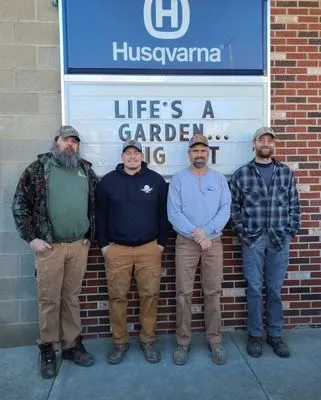
Cipoletti Plumbing
Cipoletti Plumbing is a trusted, full-service plumbing company serving Wellsburg, WV, and the surrounding areas. We specialize in addressing the common plumbing challenges faced by local homeowners, s...

Hybrid Enterprises is a Weirton-based, full-service contractor formed in 2016 by a team of 20 skilled professionals. We bring together expertise in landscaping, hardscaping, construction, and home sys...

Gurrera Plumbing has been a trusted name in Weirton and the surrounding communities since 2013. As a fully licensed plumbing contractor, we specialize in providing comprehensive residential and commer...
City Plumbing Heating & Supply is your trusted local plumbing expert in Wellsburg, WV, dedicated to keeping homes and businesses running smoothly. We specialize in thorough plumbing inspections to ide...

Since 1951, Ohio Valley Septic has been a trusted, family-owned provider of septic and plumbing services for residents and businesses in Wellsburg and across the Tri-State area. Our licensed and fully...
Cipoletti Thomas M provides trusted plumbing services for homeowners in Wellsburg, WV. We specialize in thorough plumbing inspections, a critical service for identifying and preventing the common loca...
R & R Mechanical is a Cleveland-based, MBE & EDGE certified mechanical services provider founded in 1986. With a team of licensed and insured plumbers boasting over a century of combined experience, t...
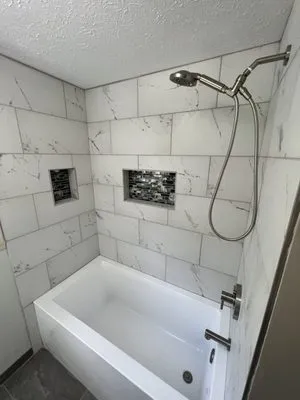
LM Home Improvement & Renovation LLC is a Norton-based contractor dedicated to transforming homes throughout the community. We specialize in comprehensive interior remodeling, with a strong focus on b...
Estimated Plumbing Costs in Wellsburg, WV
Common Questions
Could the hills in Wellsburg be causing my drainage problems?
Absolutely. The hilly terrain, especially around areas like the courthouse, puts significant stress on main sewer lines. Gravity works hard here, and over decades, the constant pull can separate pipe joints or cause sagging sections called bellies. This creates a spot for waste and roots to collect, leading to repeated backups. A camera inspection can identify if slope stress is the root cause.
Why do I keep getting pinhole leaks in my old pipes?
Galvanized steel from 1943 suffers from internal corrosion. The protective zinc coating wore off decades ago, leaving bare steel to rust. Scale buildup from our hard water then creates pressure points. This combination causes pinhole leaks, typically at threaded joints or where pipes make contact with other materials. Replacing a single section often just moves the failure point to the next weakest spot.
Do I need a permit to replace my water heater in Wellsburg?
Yes, the City of Wellsburg Building Department requires a permit for water heater replacement. As a Master Plumber licensed by the West Virginia Division of Labor, I pull that permit for you. This ensures the installation meets current code for pressure relief valves and seismic straps, and it provides you with a record for insurance. I handle the red tape and inspections so you don't have to navigate the process.
As a Wellsburg homeowner, what should I know about my main water line?
While the city manages the main, the lateral line from the street to your house is your responsibility. In our rural setting, these lines are often quite long. The combination of aged galvanized pipe, corrosive soil, and pressure fluctuations from the municipal system makes them a frequent failure point. A sudden loss of pressure or a soggy spot in your yard, even without a leak inside, often points to a break in this service line.
How fast can a plumber get to my house in Wellsburg?
My typical dispatch route puts me on the road in about 20 minutes. Heading past the Brooke County Courthouse on WV-2 gives direct access to most of Wellsburg. While traffic isn't heavy, the hill on WV-2 can slow things down in winter. For true emergencies, I can often be on site within that 30-minute window to stop water damage.
Does water from the Ohio River ruin water heaters?
The mineral content in our water leads to severe scale buildup. Inside a water heater, this sediment insulates the heating element, forcing it to work harder and fail sooner. You'll hear more rumbling and banging from the tank. For fixtures, scale clogs aerators and valve seats, reducing flow. An annual flush of the water heater and cleaning of faucet screens can add years to their service life.
Are my pipes really original to my 1940s Wellsburg home?
Homes built around 1943, common in Downtown Wellsburg, have galvanized steel pipes that are now 83 years old. The steel has thinned from decades of rust and mineral scale. You're likely seeing persistent low water pressure or discolored water, which are the final stages before a major section fails. This isn't a small repair; it's a sign the entire system is nearing the end of its lifespan.
What's the best way to prevent frozen pipes here in winter?
Our average low of 22°F means overnight freezes are a real threat, especially during the spring thaw when nights are still cold. A specific pro-tip is to open the cabinet doors under sinks on exterior walls, letting warm house air circulate. For vacant properties, shutting off and draining the water at the main valve is more reliable than just a trickle. Insulating pipes in unheated crawlspaces is non-negotiable.
