Top Emergency Plumbers in Tornado, WV, 25177 | Compare & Call

There are 94 plumbing companies server in Tornado WV
Stolo's Plumbing Services brings a wealth of experience to Charleston homes and businesses, drawing from a proven background serving both residential customers and major commercial clients. We underst...
Adkins Plumbing & Contracting
Adkins Plumbing & Contracting is a family-owned and operated business in Charleston, WV, built on a foundation of pride, consistency, and a genuine enjoyment for the craft. For the Adkins family, plum...
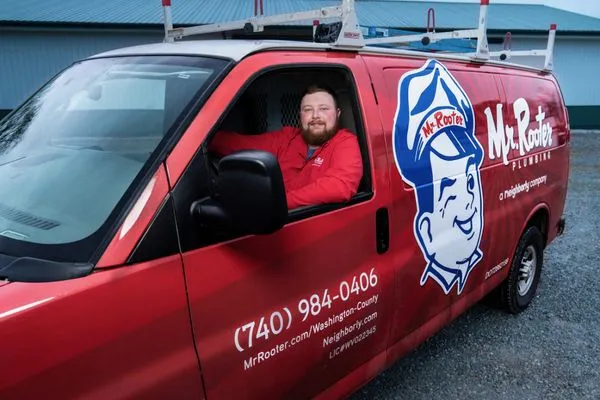
Mr. Rooter Plumbing of Charleston, WV
Mr. Rooter Plumbing of Charleston, WV has been providing reliable plumbing services to the Charleston community since 1970. As part of a national network with over 200 locations and more than 50 years...
JP Maintenance, LLC has been serving the Charleston, WV community for over 30 years as a trusted provider of comprehensive home maintenance and repair services. Based in the heart of Kanawha County, w...

John Solberg Plumbing is a trusted local plumbing company serving Charleston, WV, and the surrounding communities. We specialize in comprehensive plumbing services, including inspections, installation...

S&S Plumbing LLC is a trusted, locally-owned plumbing service provider for homeowners and businesses in Charleston, WV. We are committed to delivering reliable solutions for all your plumbing needs, f...

Truslow Plumbing is a Charleston, WV-based plumbing service committed to professional integrity and quality workmanship. Founded in 2023, we bring a standard of fairness, honesty, and personal respons...

Infinity Plumbing Solutions is a trusted local plumbing company serving Huntington, WV and nearby communities. We provide reliable plumbing services for both residential and commercial properties, fro...
P&M Maintenance Solutions is a trusted, locally owned and operated home improvement company serving Nitro, WV, and the surrounding communities. With over 15 years of hands-on experience, our dedicated...

A&P Plumbing, LLC in Charleston, WV, is a locally owned plumbing service dedicated to providing reliable solutions for residential and commercial clients. With expertise in drain repair, gas line inst...
Estimated Plumbing Costs in Tornado, WV
Question Answers
Our house was built around the time they developed Tornado Valley. Are our original pipes getting too old?
Your copper plumbing is now 44 years old. In this area, we're seeing a predictable pattern where the continuous flow of Kanawha River water, with its specific mineral content, has finally thinned the pipe walls. Homeowners here often call about a sudden drip from an elbow or a small leak behind an appliance. It's not a question of if, but when that 1982-era copper will show its age with pinhole leaks.
We're on a well and septic system out here. What's different for us?
Rural plumbing here operates independently. Your well pump and pressure tank are critical; sediment from the well can clog fixtures and damage appliances. Septic systems require careful water usage to avoid overloading the drain field, and you must avoid chemical drain cleaners that kill the necessary bacteria. I always check the condition of the well's pitless adapter and the septic tank's inlet baffle, as these are common failure points unique to homes not on municipal lines.
Do I need a permit to replace my water heater or repipe my house?
Most plumbing work in Kanawha County requires a permit from Planning and Development, and it must be performed by a licensed contractor. As a Master Plumber credentialed by the West Virginia Division of Labor, I pull those permits and schedule the required inspections. My job is to handle that red tape so you don't have to, ensuring the work is documented correctly for your home's records and for any future sale.
Could the hilly land around here be causing my slow drains?
Yes, the slope of your property directly impacts drainage. If your home is built into a hillside like many around Kanawha State Forest, the main sewer line may have sections with insufficient pitch. Waste doesn't flow properly, allowing grease and debris to cling and build up over time. This terrain also puts lateral stress on the main water line where it enters the house, which can fatigue older connections and lead to leaks at the foundation wall.
Does the hard water from the Kanawha River ruin water heaters?
Absolutely. The mineral content in our water leads to rapid scale buildup inside the tank. This sediment insulates the heating elements, forcing them to work harder and fail sooner. It also settles at the bottom, reducing capacity and creating a rumbling noise. For a typical household here, flushing the heater annually and installing a whole-house water softener are considered essential maintenance, not luxuries.
If I have a pipe burst, how long does it take for a plumber to get out to Tornado?
My dispatch route starts by heading past Kanawha State Forest on US-119. Traffic permitting, I can be at your door in 45 to 60 minutes from the call. Knowing these backroads means I can avoid the main bottlenecks, especially during shift changes at nearby facilities. You'll want to locate your main water shut-off valve immediately to minimize damage while I'm en route.
What's the most common plumbing repair you see in homes built here in the early 80s?
The signature failure for 1982 copper is pinhole leaks caused by erosion corrosion. Over four decades, the constant water velocity wears away the interior pipe wall, creating weak spots that eventually perforate. We also find calcified solder joints at fixtures, which restrict flow and can crack when disturbed. Repairs often involve cutting out a section of pipe and soldering in a new coupling, rather than just patching the hole.
What should I do to my pipes before spring to avoid problems?
The spring thaw is the peak season for leaks because ground shifts from freeze-thaw cycles stress older pipes. Before temperatures consistently stay above freezing, inspect any exposed pipes in crawl spaces for existing hairline cracks. A pro-tip for our temperate climate is to ensure your hose bibs are properly drained and the interior shut-off valves are closed; a burst outdoor spigot is one of the most common calls I get after a 26-degree night.
