Top Emergency Plumbers in Shannondale, WV, 25425 | Compare & Call

There are 221 plumbing companies server in Shannondale WV
Philios Plumbing & Drains is a locally owned and licensed plumbing service serving Bailey's Crossroads and the surrounding communities. We specialize in solving urgent plumbing problems, from sewer ba...
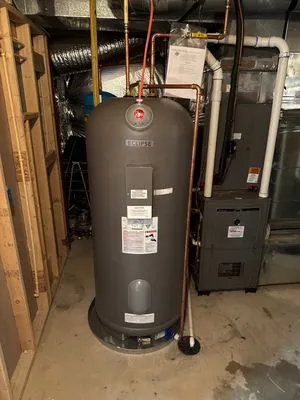
Reddick & Sons
Reddick & Sons is a family-owned and operated Class A contractor based in Manassas, VA, proudly serving Northern Virginia since 2009. Founded by Daniel Reddick, a Prince William County native who hold...
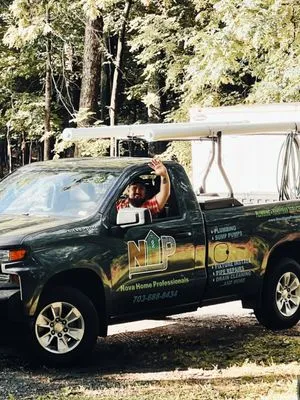
Two Irish Plumbers, formerly Nova Home Professionals, is a fully licensed and insured plumbing company serving Alexandria, VA. Owned and operated by Steven Katz and Ian Harris, we bring over 20 years ...

Founded by a third-generation Marine and Master Plumber, Marines Service Co. is a veteran-owned business built on the core values of service, honesty, and integrity learned in the US Marine Corps. Bas...
Chandler's Plumbing & Heating
Chandler's Plumbing & Heating Co Inc is a trusted, A+ Certified plumbing and HVAC contractor serving Falls Church and the surrounding Northern Virginia area. As a family-owned business, we take pride ...
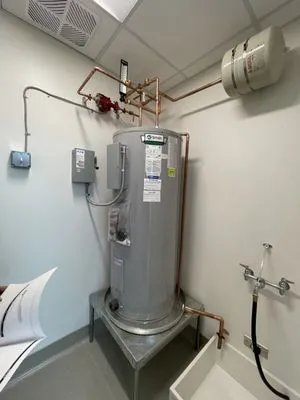
LV Plumbing is a family-owned and operated business in Alexandria, VA, founded in 2013 by father and son master plumbers. We built our reputation on residential work and later expanded into commercial...

AllTech Services
AllTech Services is a trusted, family-owned HVAC and plumbing company that has been serving Sterling, VA, and the surrounding Northern Virginia communities for over 20 years. Founded and led by Presid...
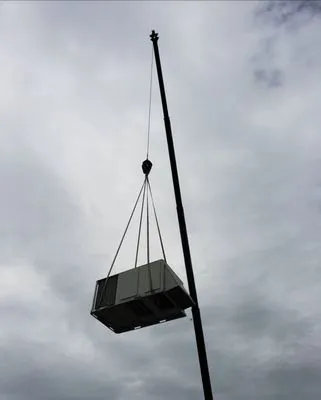
Chamberlain Services
Founded in 2009 by John Chamberlain, who began his career in 1978, Chamberlain Services brings over 60 years of combined technical expertise to every project. Based in Manassas, VA, and serving Northe...
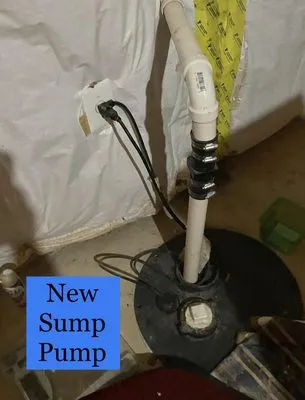
Flash Plumbing is a licensed and insured plumbing service provider serving Chantilly, VA, and the surrounding Northern Virginia communities. We offer a comprehensive range of residential and commercia...
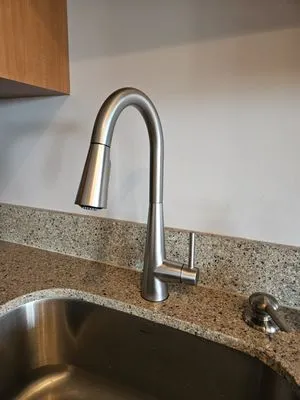
Michael & Son Services
Michael & Son Services has been a trusted name in Alexandria, VA since 1974, providing reliable HVAC, plumbing, and electrical solutions to homes and businesses throughout the community. As a family-o...
Estimated Plumbing Costs in Shannondale, WV
Common Questions
How long do copper pipes last in Shannondale Springs?
Copper plumbing installed around 1993 is now entering its 33rd year, which is a common point for accelerated wear. Homeowners here are starting to see an uptick in pinhole leaks, especially in hot water lines where thermal cycling has stressed the metal. This isn't a universal failure, but you should listen for the sound of water running when all taps are off and inspect pipes in basements and crawlspaces for small green or white corrosion spots.
How fast can a plumber get to me in Shannondale?
From our base of operations, a typical dispatch route heads past Shannondale Springs Park onto WV-9 to reach most homes in the area. Barring traffic or severe weather on the highway, we plan for a 45 to 60 minute response window for an emergency call. We factor in the winding roads and driveways off the main route when giving you an estimated arrival time.
Could the hills around my house cause plumbing problems?
The sloped terrain around Shannondale Springs Park significantly affects drainage and pipe stress. A main water line running down a hill can experience increased pressure, stressing fittings. Conversely, waste lines on an incline require precise slope to avoid backups. Improperly graded drainage around your foundation can also lead to water intrusion into basement plumbing chases during heavy rains.
What should I do to prepare my plumbing for spring in Jefferson County?
The spring thaw following our 24-degree lows is a critical period. A key pro-tip is to check all exterior hose bibs for freeze damage by turning them on before connecting a hose; a slow drip could indicate a split pipe behind the wall. Also, inspect your basement or crawlspace for new moisture, as melting ground saturation can reveal leaks that were frozen shut all winter.
Why are my 1990s copper pipes suddenly leaking?
Copper pipes from that era can develop pinhole leaks due to a combination of water chemistry from private wells and natural aging. The hard, mineral-rich water common here accelerates internal pitting. You might also find soldered joints have weakened from decades of vibration and minor ground shifts inherent to our hilly terrain, leading to leaks at elbows and tees.
Does hard well water damage my plumbing fixtures?
Yes, the scale buildup from hard water acts like arterial plaque in your pipes and appliances. Water heaters are hit hardest, with sediment insulating the heating elements and reducing efficiency. You'll also notice reduced flow from showerheads and faucet aerators as mineral deposits clog the small openings, requiring more frequent cleaning or replacement.
Who handles the permits for a plumbing job in Jefferson County?
As a Master Plumber licensed by the West Virginia Division of Labor, I pull all required permits through the Jefferson County Department of Engineering and Building Permits for any work that needs it. This includes water heater replacements, repipes, and new fixture installations. My crew handles the red tape and inspections so you don't have to navigate the county process yourself.
Are there special plumbing concerns for a rural home with a well and septic system?
Absolutely. The entire water and waste system is your responsibility. A failing pressure tank or well pump means no water at all, not just low pressure. On the septic side, what goes down your drain directly impacts the leach field; avoiding garbage disposals and chemical drain openers is crucial. We always check the full system from well head to septic tank during any major service.
