Top Emergency Plumbers in Nutter Fort, WV, 26301 | Compare & Call

There are 33 plumbing companies server in Nutter Fort WV
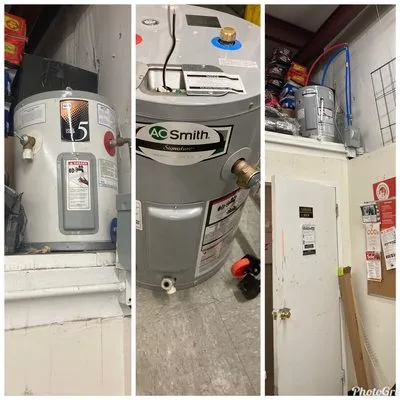
Boon Handler is your trusted, local handyman and plumbing service in Gassaway, WV. We specialize in getting your home projects done right, from appliance installation and furniture assembly to compreh...
Appalachia Handyman Services
Appalachia Handyman Services has been serving the Rachel, WV community with reliable home improvement solutions for over two decades. Founded in 2016 after working alongside an experienced contractor ...
Affordable Plumbing in Farmington, WV, is a trusted local plumbing service dedicated to helping homeowners and businesses with a wide range of plumbing needs. Serving the Farmington community, we spec...

Speedway Appliance
Speedway Appliance has been a trusted name in Clarksburg since 2001, dedicated to providing affordable, guaranteed appliance solutions. We offer the largest local selection, including brand-new and re...
Motter & Services was founded in Morgantown, WV, on a simple principle: quality plumbing and construction work shouldn't require an unreasonable price. After seeing local homeowners overpay for basic ...
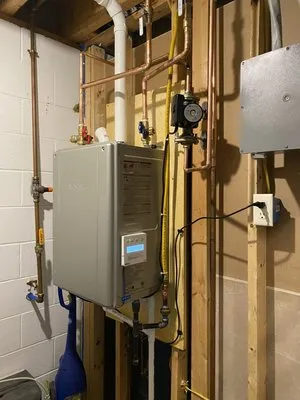
Rapid Plumbers is a trusted local plumbing service based in Morgantown, WV, providing reliable solutions for both residential and commercial needs. We understand the common challenges homeowners face,...

Common Industries
For over three decades, this trusted local business has served Morgantown with a focus on understanding each customer's specific needs and providing clear, practical options. The owner's passion lies ...

Owl Creek Contracting is Morgantown's trusted plumbing and excavation specialist, dedicated to solving the area's most persistent issues. We understand the common local problems like bathroom drain bu...
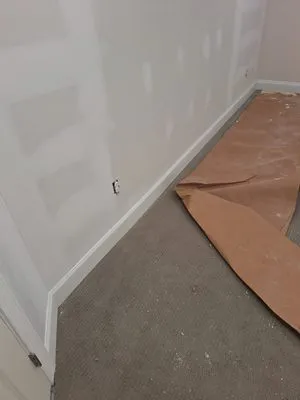
Lewis Remodel & Repair is a trusted local contractor serving Meadowbrook, WV, and the surrounding area. With nearly 20 years of experience, we specialize in a wide range of residential services, from ...
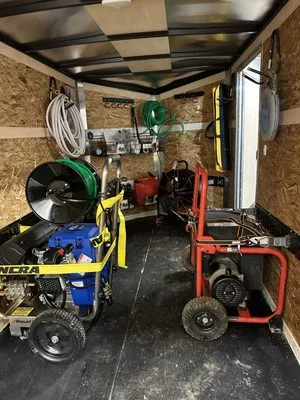
VIPS Video and Hydro Jetter Drain Cleaning is your trusted local plumbing specialist in Maidsville, WV. We understand the common headaches homeowners face, like broken shutoff valves or a jammed garba...
Estimated Plumbing Costs in Nutter Fort, WV
Question Answers
My yard near Nutter Fort Park slopes steeply and I'm worried about drainage affecting my pipes.
Hilly terrain puts constant stress on main water lines through soil movement and shifting foundations. Downward slopes can create pressure variations that strain pipe joints, while upward slopes may trap air in the system. Proper grading around your foundation directs surface water away from the main line entry point. Installing backflow prevention devices helps maintain consistent pressure when elevation changes affect water flow in the municipal system.
How quickly can a plumber reach my home in Nutter Fort if I have a water emergency?
Heading past Nutter Fort Park on US-50 provides efficient access to most neighborhoods in the area. From there, local routes connect to residential streets with minimal traffic delays. A typical dispatch from our shop reaches Nutter Fort addresses within 20-30 minutes during normal hours. We prioritize emergency calls to minimize water damage, especially during spring thaw when pipe failures are most common.
What should I do before spring to prevent plumbing problems in Nutter Fort's climate?
Winter lows around 24°F followed by spring thaw create freeze-thaw cycles that stress pipes. Insulate exposed lines in crawl spaces and attics before temperatures drop. Drain outdoor spigots and disconnect hoses each fall. Monitor for slow drips during thaw periods when hidden leaks often reveal themselves. Keeping cabinet doors open during cold snaps allows warm air to circulate around pipes under sinks.
As a suburban homeowner, what plumbing issues should I watch for that are specific to our area?
Municipal water pressure in Nutter Fort typically ranges 40-60 PSI, which is adequate for most homes but can fluctuate during peak usage. Tree roots sometimes infiltrate older lateral lines seeking moisture, especially near mature landscaping. Check for soggy spots in your yard that might indicate a leak between the street main and your house. Pressure-reducing valves help protect fixtures from sudden surges that occur during fire hydrant testing or main line repairs.
Why does my water heater need replacement more often than my neighbors in other towns?
West Fork River supplies hard water with high mineral content that accelerates scale buildup in water heaters. Calcium and magnesium deposits form insulating layers on heating elements, forcing them to work harder and fail sooner. Tank interiors corrode faster when minerals interact with the steel. Installing a water softener or using dielectric unions between dissimilar metals can extend your water heater's lifespan by several years.
My house was built around 1948 in Nutter Fort Heights and I'm seeing rusty water and low pressure. Is this normal for older homes here?
Galvanized steel pipes installed in 1948 are now 78 years old, which is well beyond their typical 50-year lifespan. Homeowners in Nutter Fort Heights often notice rust-colored water first, followed by reduced flow as mineral deposits accumulate inside the pipes. The steel corrodes from the inside out, creating rough surfaces that trap sediment. Eventually, sections may need complete replacement when leaks develop or pressure drops become unmanageable.
Do I need permits for plumbing work in Nutter Fort, and who handles the paperwork?
Clarksburg Building Department requires permits for most plumbing modifications, including water heater replacements and repiping projects. As a master plumber licensed through the West Virginia Division of Labor, I submit all necessary documentation and schedule required inspections. This ensures work meets current code standards for safety and insurance purposes. Homeowners avoid the administrative burden while maintaining proper records for future property transactions.
What causes those small leaks in older pipes that seem to appear out of nowhere?
Galvanized steel pipes from the 1940s develop pinhole leaks when corrosion weakens specific spots in the metal. The zinc coating wears away over decades, exposing the underlying steel to oxygen and minerals in the water. These weak points eventually perforate, creating small but persistent leaks. Joint calcification also occurs where threaded connections lose their seal due to mineral buildup and metal fatigue from thermal expansion cycles.
