Top Emergency Plumbers in Marmet, WV, 25315 | Compare & Call

There are 34 plumbing companies server in Marmet WV
Stolo's Plumbing Services brings a wealth of experience to Charleston homes and businesses, drawing from a proven background serving both residential customers and major commercial clients. We underst...
Adkins Plumbing & Contracting
Adkins Plumbing & Contracting is a family-owned and operated business in Charleston, WV, built on a foundation of pride, consistency, and a genuine enjoyment for the craft. For the Adkins family, plum...
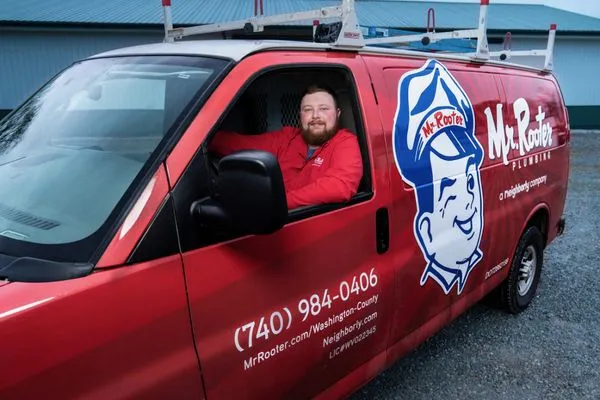
Mr. Rooter Plumbing of Charleston, WV
Mr. Rooter Plumbing of Charleston, WV has been providing reliable plumbing services to the Charleston community since 1970. As part of a national network with over 200 locations and more than 50 years...
JP Maintenance, LLC has been serving the Charleston, WV community for over 30 years as a trusted provider of comprehensive home maintenance and repair services. Based in the heart of Kanawha County, w...

S&S Plumbing LLC is a trusted, locally-owned plumbing service provider for homeowners and businesses in Charleston, WV. We are committed to delivering reliable solutions for all your plumbing needs, f...

Truslow Plumbing is a Charleston, WV-based plumbing service committed to professional integrity and quality workmanship. Founded in 2023, we bring a standard of fairness, honesty, and personal respons...

Infinity Plumbing Solutions is a trusted local plumbing company serving Huntington, WV and nearby communities. We provide reliable plumbing services for both residential and commercial properties, fro...

A&P Plumbing, LLC in Charleston, WV, is a locally owned plumbing service dedicated to providing reliable solutions for residential and commercial clients. With expertise in drain repair, gas line inst...
Montani Mechanical Group
Montani Mechanical Group is your trusted, full-service home systems expert serving Poca, WV, and the surrounding communities. We specialize in both electrical and plumbing services, tackling the commo...
P & E Services is a trusted, full-service plumbing and electrical contractor serving homeowners and businesses throughout Charleston, WV. We provide comprehensive solutions for both urgent repairs and...
Estimated Plumbing Costs in Marmet, WV
Q&A
Could the hilly terrain around Marmet Locks and Dam cause drainage issues?
The steep slopes in our area create gravitational stress on main water lines running to homes. Soil erosion around Marmet Locks and Dam can expose buried pipes to temperature extremes and physical damage. Downhill properties often experience increased pressure on their main shutoff valves, while uphill homes may deal with sediment accumulation in low spots of their lines. Proper grading around your foundation helps direct water away from critical plumbing infrastructure.
Why do my older pipes keep developing small leaks?
Galvanized steel pipes from the 1960s develop pinhole leaks due to internal corrosion and joint calcification. Mineral deposits from our hard water accelerate this process, creating weak spots that eventually fail. These leaks often appear first at threaded connections where dissimilar metals meet without proper dielectric unions. Complete pipe replacement becomes more cost-effective than repeated spot repairs once multiple leaks appear.
What should I do before spring thaw to prevent plumbing problems?
Insulate exposed pipes in crawl spaces and basements before temperatures drop to 25°F, which we typically see during winter lows. Spring thaw causes ground movement that can stress older pipe connections, so check for new leaks as temperatures rise. Drain outdoor spigots and disconnect hoses before first freeze. Keep cabinet doors open under sinks during cold snaps to allow warm air circulation around pipes.
How quickly can a plumber reach my home in Marmet during an emergency?
Heading past Marmet Locks and Dam on US Route 60 provides the most direct access to most neighborhoods. This dispatch route typically takes 20-30 minutes from our shop to your door, depending on traffic and specific location. We maintain real-time traffic monitoring to adjust routes when needed. Emergency calls receive priority routing regardless of time.
What permits or regulations apply to plumbing work in Kanawha County?
Kanawha County Planning and Development requires permits for most plumbing replacements and additions, which we handle as part of our service. Our West Virginia Department of Labor Division of Labor credentials ensure all work meets state code requirements for materials, venting, and drainage. We manage the inspection scheduling and paperwork, so homeowners don't need to navigate bureaucratic processes. Proper permitting protects your investment and ensures work meets current safety standards.
Does Kanawha River water affect my home's plumbing equipment?
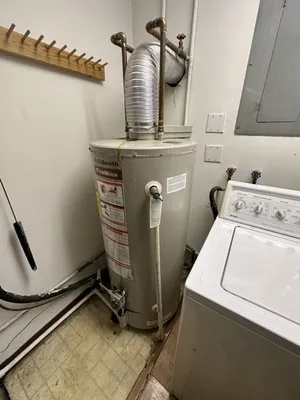
Water from the Kanawha River contains minerals that create hard water scale buildup throughout your plumbing system. Water heaters suffer most, with sediment accumulating in the tank bottom and scale coating heating elements, reducing efficiency by up to 30%. Fixtures develop mineral deposits around aerators and showerheads, restricting flow. Installing a whole-house water softener can significantly extend equipment lifespan.
My Marmet Heights home was built around 1962 - should I be worried about my plumbing?
Galvanized steel pipes installed in 1962 are now 64 years old, which exceeds their typical 40-50 year lifespan. Homeowners in Marmet Heights often notice reduced water pressure first, followed by rust-colored water that stains fixtures. These pipes corrode from the inside out, so visible rust on the outside means significant interior damage has already occurred. Replacement becomes necessary when multiple fixtures show these symptoms simultaneously.
As a suburban homeowner, what plumbing issues should I watch for?
Municipal water pressure in Marmet's suburban areas typically ranges 40-60 PSI, which is adequate but can stress older galvanized systems. Tree roots seeking moisture sometimes infiltrate sewer laterals, causing slow drains or backups. Unlike rural properties with wells and septic systems, you'll want to know your main shutoff valve location and check it operates smoothly. Regular inspections of visible pipes in basements and crawl spaces catch small issues before they become emergencies.
