Top Emergency Plumbers in Wisconsin Dells, WI, 53965 | Compare & Call

There are 41 plumbing companies server in Wisconsin Dells WI

Kettle Moraine Heating & Air Conditioning
For over 35 years, Kettle Moraine Heating & Air Conditioning has been the trusted, family-owned choice for Delafield and Southeastern Wisconsin. As a third-generation local business established in 198...
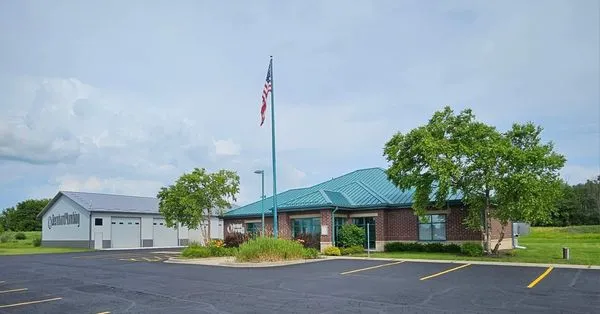
Bernhard Plumbing
Bernhard Plumbing, Inc. has been the trusted plumbing service in Mayville, WI since 1954, proudly serving Mayville, Fond du Lac, and surrounding communities. As a fourth-generation family business, we...
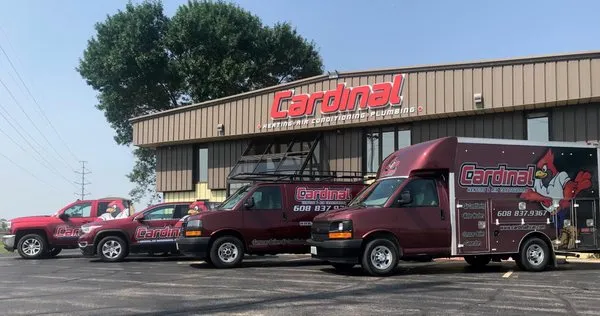
Cardinal Heating, Cooling, Plumbing & Electric
Cardinal Heating, Cooling, Plumbing & Electric is a trusted, family-owned business that has served Sun Prairie and Southern Wisconsin since 1984. Founded and operated by Rick and Sharon Ouimette, the ...
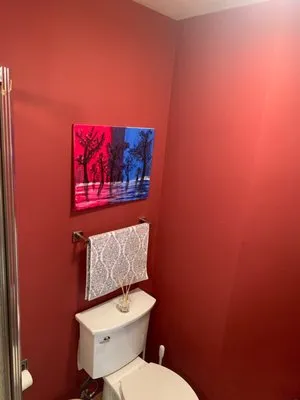
Craig's Painting and Home Improvements is a trusted, locally-owned contractor serving Madison homeowners for years. While known for expert interior and exterior painting, drywall, and staining, Craig'...

The Honest Handyman is a locally owned and operated handyman service serving Madison, Wisconsin, and the surrounding communities. Founded by a Madison family, we specialize in tackling the home repair...

Capitol Plumbing Company
Capitol Plumbing Company is a locally-owned and operated plumbing service in Madison, WI, established in 1998. As a licensed Master Plumber and Plumbing Designer with over 36 years of hands-on experie...
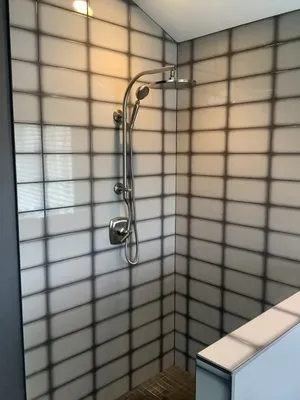
Avid Plumbing
Avid Plumbing is a family-owned and operated plumbing service based in Madison, WI, dedicated to treating every customer like a member of the family. Our priority is your convenience and comfort, whic...

The Country Plumber
The Country Plumber has been Portage's trusted plumbing and septic service provider since 1963, serving South Central Wisconsin with reliable solutions for homes and businesses. We specialize in every...
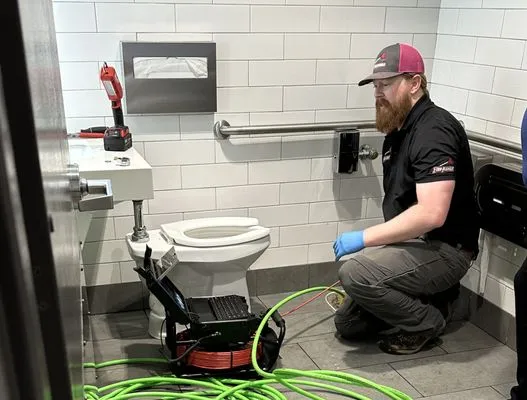
1-Tom-Plumber is a full-service plumbing and drain cleaning company based in Deerfield, WI, serving both residential and commercial properties. Available around the clock, 365 days a year, we are comm...
RHD Plumbing & Remodeling, Inc. is a family-owned and certified women-owned business proudly serving the Windsor community and the greater Madison area since 2006. Operating from their 30,000-square-f...
Estimated Plumbing Costs in Wisconsin Dells, WI
Common Questions
How fast can a plumber get to my house if I have a leak?
From my shop near the Wisconsin River, the dispatch route typically heads up to I-90. That main artery allows me to reach most homes in the Dells area within 20 to 30 minutes, barring heavy summer traffic. Knowing the back roads off the interstate is key to avoiding tourist congestion and getting to your emergency without delay.
Can the hilly landscape in Wisconsin Dells cause plumbing problems?
Yes, the slope of the land affects drainage and pressure. A home built into a hill may have a main sewer line that runs uphill briefly before connecting to the municipal main, creating a point where waste can collect and cause blockages. The constant settling and shifting of soil on these slopes can also put lateral stress on underground water service lines, leading to cracks or separated joints.
What's the typical lifespan of copper plumbing in Wisconsin Dells homes?
Copper pipes installed around 1971 are now 55 years old. This is a critical age where the thin-walled Type M copper common in that era begins to fail. Homeowners in Downtown Wisconsin Dells often start seeing pinhole leaks, especially at soldered joints where decades of water flow have worn the interior walls thin. These small leaks can appear suddenly in walls or ceilings, signaling the system's overall vulnerability.
Are there special plumbing concerns for homes outside downtown?
Properties on the outskirts often rely on private wells and septic systems, not city water and sewer. Well pump pressure needs to be correctly calibrated for the home, and septic tanks require regular pumping to avoid backups. Even in-town, older sewer laterals can be compromised by tree roots seeking water, a common issue in established neighborhoods.
Does Wisconsin River water damage my home's plumbing?
The mineral content in the river contributes to the very hard water here. That hardness causes limescale to build up inside pipes and appliances. Your water heater's efficiency drops as its tank gets coated, and fixtures like showerheads lose flow. Over years, this scale also acts as an abrasive, speeding up the wear on older copper pipe walls.
What permits are needed for a water heater replacement in Wisconsin Dells?
The Wisconsin Dells Building Inspection Department requires a permit for water heater installation. As a master plumber licensed by the Wisconsin Department of Safety and Professional Services, I pull that permit, schedule the inspection, and ensure the work meets all code for pressure relief valves and expansion tanks. My crew handles the red tape so you don't have to navigate it yourself.
Why are my 1970s copper pipes suddenly springing leaks?
A 55-year-old copper system faces two main issues. First, pinhole leaks form from internal corrosion and erosion, accelerated by our hard water. Second, the solder joints connecting the pipes can become brittle and calcified, losing their seal. This failure often isn't a single event but a pattern, where fixing one leak is soon followed by another elsewhere in the system.
What's the best way to prepare my plumbing for a Wisconsin Dells winter?
Before temperatures hit that 10-degree low, disconnect and drain all outdoor hoses. Insulate pipes in unheated crawl spaces or against exterior walls. A pro-tip for our temperate climate is to maintain a steady, low heat in your basement during the early spring thaw. This prevents the ground from freezing around your main service line as snowmelt saturates the soil.
