Top Emergency Plumbers in Westfield, WI, 53964 | Compare & Call

There are 235 plumbing companies server in Westfield WI

Urban's Plumbing is a trusted, locally-owned plumbing service based in Waukesha and serving Lannon and surrounding communities. With over 25 years of experience, licensed owner Chris Urban leads a tea...
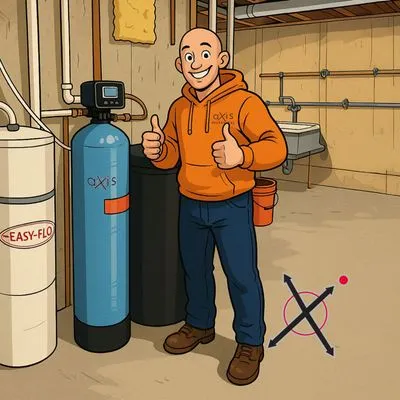
Axis Mechanical is a locally owned and operated plumbing service in Milwaukee, built on a foundation of local expertise and a commitment to reliable craftsmanship. Owner-operated by a licensed plumber...
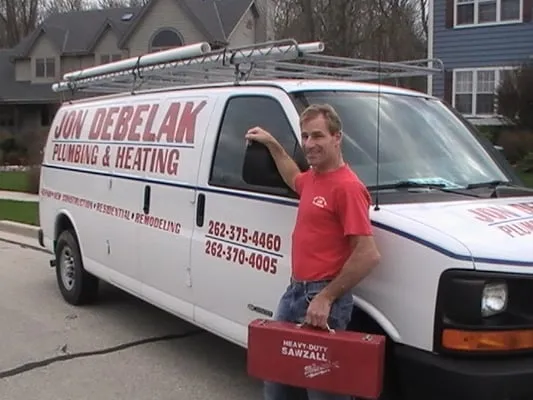
Debelak, Jon Plumbing & Heating is a Sussex-rooted, family-operated plumbing and heating business with a legacy dating back to 1994. Founded by Jon DeBelak, the company represents a third generation o...

Piping Pro Plumbing
Piping Pro Plumbing, serving Evansville and the surrounding area since 2015, is built on a foundation of deep, practical experience. Owner and master plumber Sean Brown brings a comprehensive backgrou...
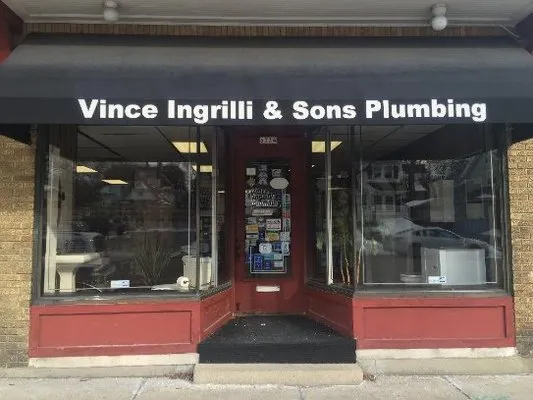
Ingrilli Vince & Sons Plumbing is a trusted, family-owned Milwaukee plumbing business with deep roots in the community. Founded by Vince Ingrilli in 1972, the family's expertise spans over six decades...
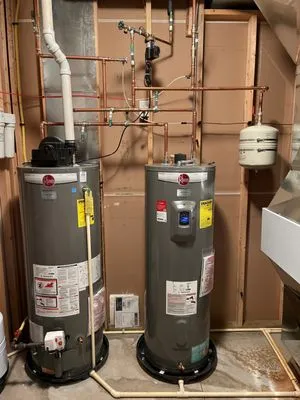
Borkenhagen Plumbing & Heating
Borkenhagen Plumbing & Heating is a cornerstone of the Oconomowoc community, providing reliable plumbing and heating solutions since 1921. As a fourth-generation, family-owned business, we bring over ...
Mommaerts Plumbing has been the trusted local plumbing expert in Oconomowoc, WI, since 1998. We are a family-owned and operated company led by a Master Plumber, bringing over two decades of reliable s...
County Road Plumbing
Since 1966, County Road Plumbing has been the trusted plumbing contractor for Oconomowoc and the surrounding Lake Country. We are a family-owned business built on reliability, expert craftsmanship, an...

Remedy Plumbing & Heating
Remedy Plumbing & Heating is a full-scale plumbing and heating contractor proudly serving Malone and the broader central and southeast Wisconsin region. Based in the 54935 area, we provide comprehensi...

Hagen Plumbing Service
Hagen Plumbing Service is a trusted local plumbing company serving Germantown, WI, and surrounding areas since 2010. Founded by Master Plumber Erik Hagen, who brings over 23 years of experience in res...
Estimated Plumbing Costs in Westfield, WI
Questions and Answers
Are there special considerations for plumbing in rural Westfield homes?
Rural properties with private wells and septic systems require different maintenance than municipal connections. Well pumps need regular pressure tank checks, and septic systems demand careful water usage management to avoid overloading drain fields. Copper pipes in these systems often show corrosion patterns unique to well water chemistry, requiring specific repair approaches.
How quickly can a plumber reach my Westfield home in an emergency?
Heading past Lawrence University Fox River Watershed on I-39, our dispatch route covers most of Westfield within 45-60 minutes. We maintain trucks stocked with common copper fittings and repair materials for homes built in the 1960s. This preparation means we can often complete repairs on the first visit rather than making multiple trips for parts.
Does our hard well water damage plumbing fixtures faster?
Hard water from private wells deposits scale inside pipes and water heaters, reducing flow and efficiency. Over time, this mineral buildup creates hot spots in water heater tanks that can lead to premature failure. Fixtures develop restricted flow as aerators and valve seats accumulate deposits, requiring more frequent cleaning or replacement than municipal water systems.
My Westfield Village home was built around 1969 - should I be worried about my plumbing?
Copper pipes installed in 1969 are now 57 years old. At this age, homeowners in Westfield Village often notice pinhole leaks developing in hot water lines, especially near joints and elbows. The copper has undergone decades of thermal expansion and chemical reactions with water minerals. Many systems from this era are reaching the end of their service life, with failures becoming more frequent and repair costs adding up quickly.
Why do my copper pipes keep springing leaks in the same spots?
Copper plumbing from 1969 often develops pinhole leaks due to electrolytic corrosion between dissimilar metals. The solder joints from that era contained higher lead content than modern standards allow, creating galvanic cells that eat away at the copper. These weak points typically fail first at elbows and tees where water turbulence accelerates the corrosion process.
What should I do before spring thaw to prevent plumbing problems?
Before temperatures rise above freezing consistently, check all exposed pipes for insulation gaps, especially in crawl spaces and basements. Spring thaw brings ground movement that can stress older copper lines at their connection points. A pro-tip: run a thermal camera along your foundation to identify cold spots where pipes might be vulnerable to the 8-degree winter lows we experience here.
Who handles permits and inspections for plumbing work in Marquette County?
We manage all Marquette County Zoning Department permits and Wisconsin Department of Safety and Professional Services requirements for you. Our credentials mean we understand local codes for well systems and septic modifications specific to this area. Homeowners avoid paperwork delays and ensure their repairs meet current standards without navigating bureaucratic processes themselves.
Could the flat land around Westfield affect my home's drainage system?
The plain terrain near Lawrence University Fox River Watershed provides minimal natural slope for drainage. This flat landscape means sump pumps work harder during heavy rains, and sewer lines lack the gravity assist found in hilly areas. Over decades, this constant pressure can cause older copper drain lines to sag or develop leaks at their lowest points.
