Top Emergency Plumbers in Union Grove, WI, 53182 | Compare & Call

There are 80 plumbing companies server in Union Grove WI
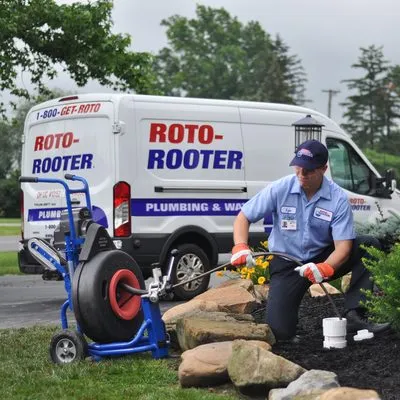
Roto-Rooter Plumbing & Water Cleanup
Roto-Rooter Plumbing & Water Cleanup is a trusted, locally-operated service in Kenosha, Wisconsin. We are fully staffed and ready to help our neighbors 24 hours a day, 7 days a week, with no extra cha...
Southport Home Services
Southport Home Services is a trusted local contractor serving Caledonia, WI, and Southeast Wisconsin. Founded in 2005 by a team with decades of combined engineering and contracting experience, we've g...

Patriot Pro, proudly veteran-owned and operated in Palmyra, WI, stands on the principles of integrity and dedicated service. We provide HVAC and plumbing solutions for our local community, ensuring ex...
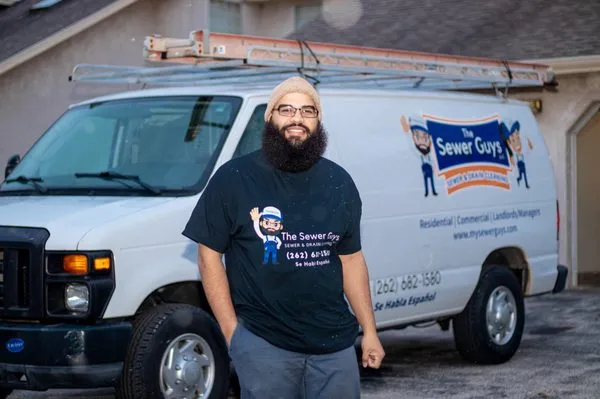
The Sewer Guys, LLC is a family-owned and operated sewer and drain cleaning company proudly serving clients in Kenosha, WI. As a local, family-run business, we understand the importance of reliable pl...
Building Waters
Building Waters is a trusted plumbing, heating, air conditioning, and refrigeration service provider serving Racine and Southeast Wisconsin for over 30 years. Our licensed professionals offer comprehe...
Thielmann Heating, Cooling & Plumbing
For over 90 years, Thielmann Heating, Cooling & Plumbing has been a trusted name in New Berlin. It began in 1929 when founder John Thielmann serviced boilers and oil furnaces, later partnering with hi...
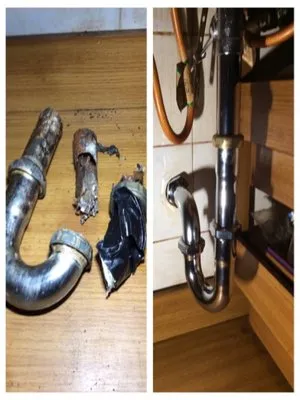
Blau Sudden Service
Since 1960, Blau Sudden Service has been a trusted, family-owned plumbing and HVAC provider for Milwaukee residents. Now in its second generation, the business is built on a foundation of local knowle...

Bassett Plumbing
Bassett Plumbing is your trusted Twin Lakes plumber, dedicated to solving the common plumbing issues faced by local homeowners. We specialize in addressing pipe joint and old pipe leaks that can disru...
Choice Contracting is a people-friendly company based in West Milwaukee, WI, built on the principle of treating every home with the same care and attention as if it were our own. We believe it's the l...
Kenosha Plumbing is a locally owned and operated plumbing company serving Kenosha, WI, with over 30 years of industry experience. Led by owner Katie, who transitioned from a banking career to complete...
Estimated Plumbing Costs in Union Grove, WI
Common Questions
How quickly can a plumber get to my house if I have a major leak?
From my shop near Yorkville, I take Racine County N straight to I-94. Heading past the Yorkville Windmill on I-94 gets me into most Union Grove neighborhoods within 20 to 30 minutes, even with traffic. That routing is reliable for emergency calls, day or night.
Do I need a permit to replace the main water line from the well to my house?
Yes, the Village of Union Grove Building Department requires a permit for that work. As a Master Plumber licensed by the Wisconsin Department of Safety and Professional Services, I pull those permits, schedule the inspections, and ensure the job meets all code. My crew handles that red tape so you don't have to navigate it yourself.
A small leak just appeared on a copper pipe in my basement. Should I be worried?
A single pinhole leak in 50-year-old copper is rarely an isolated event. The solder joints have endured decades of thermal expansion, and the pipe walls are uniformly aged. One leak often signals that the entire system is nearing the end of its reliable service life. Patching one spot usually leads to another failure nearby due to the same underlying corrosion.
We're on a well and septic system. What plumbing issues are unique to that setup?
The main concern is pressure balance. A well pump and pressure tank create a closed system; a sudden demand, like a toilet flush, can cause water hammer that stresses old pipes and fittings. Also, any chemical drain cleaners used for clogs will eventually kill the beneficial bacteria in your septic tank. Mechanical snaking is the only safe method for clearing household drains.
What's the most important thing to do with my plumbing before winter?
The critical move is to disconnect and drain your garden hoses before the first hard freeze, which can dip near 12°F here. A forgotten hose traps water in the bib, freezing back into the pipe inside your wall and splitting it. This simple five-minute task prevents the most common and destructive winter plumbing emergency we see.
Could the flat land around here be causing our slow basement drains?
The plain terrain around Yorkville Windmill means very little natural slope for drainage. If your home's main sewer line was installed with an insufficient grade, solids can settle and cause recurring clogs. Over decades, that flat run can also allow tree roots to infiltrate more easily, as there's no fast-moving water to deter them.
Our water pressure seems weak, and we're seeing blue-green stains on some fixtures. What's happening with our old pipes?
Your home's copper plumbing is about 50 years old, installed when the Union Grove Village Center area was being developed. Copper pipes from that era typically have a service life of 50-70 years. What you're describing—reduced flow and those telltale stains—are classic signs of advanced pinhole leaks and internal corrosion. The pipe walls are thinning, and it's a progressive issue common in homes of this vintage.
We have a private well. Why does our water heater keep failing so quickly?
Private wells in our area pull from a limestone aquifer, which means very hard water. That mineral content creates rapid scale buildup inside your water heater's tank and on its heating elements. This insulating layer forces the heater to work harder, overheat, and fail years earlier than it should. Installing a whole-house water softener is not a luxury here; it's essential hardware protection.
