Top Emergency Plumbers in Tainter, WI, 54730 | Compare & Call

There are 25 plumbing companies server in Tainter WI
Solutions Tub & Mechanical
Solutions Tub & Mechanical is a factory-certified plumbing and mechanical service provider serving Stillwater, MN, and surrounding areas since 2008. Specializing in tub, shower, whirlpool, and spa rep...
Gibson's WaterCare has been a trusted name in water treatment and plumbing services in western Wisconsin since 1978. With a history spanning over four decades, they've helped more than 10,000 customer...
Bartingale Mechanical
Bartingale Mechanical has been a trusted name in Eau Claire and Northwest Wisconsin for over a century, providing reliable mechanical services since 1913. Our deep roots in the community mean we under...
Larson Plumbing Services is a family-owned, local plumbing expert proudly serving Eau Claire and the Greater Chippewa Valley since 2017. As a licensed, insured, and cross-connection certified team, we...
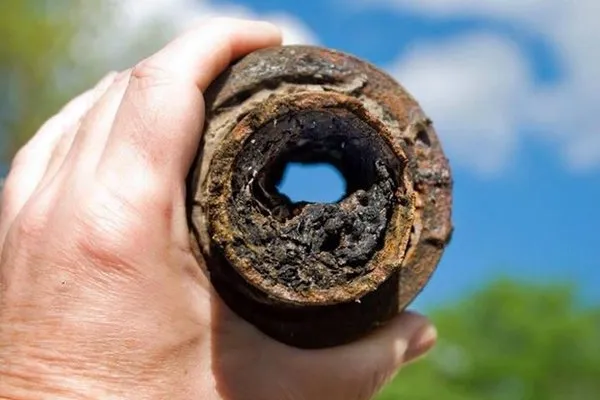
Roto-Rooter in Eau Claire, WI is a licensed plumbing and drain cleaning service available 24/7, offering a wide range of services including emergency plumbing, sewer cleaning, and water purification s...
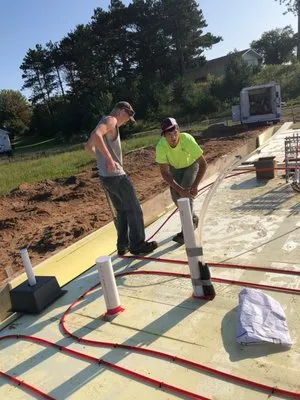
Countryside Plumbing & Heating
Countryside Plumbing & Heating has been a trusted family-owned and operated business serving the greater St. Croix Valley area since 1950, with the current name and ownership in place since 1982. For ...

Scott Schmidt Plumbing was founded by Scott Schmidt to deliver high-quality plumbing services at a reasonable cost for residents and businesses throughout the greater Chippewa Valley. We handle everyt...
Drainmaster is a licensed and insured plumbing service based in Chippewa Falls, WI, established in 2020. We specialize in drain repair, hydro-jetting, and septic services, offering comprehensive solut...

Hurlburt Heating & Plumbing
Since 1959, Hurlburt Heating & Plumbing has been a cornerstone of home comfort and reliability for families throughout Menomonie and the wider Chippewa Valley. As a family-owned and operated business,...
Since 1935, Roto-Rooter has been the trusted plumbing and septic service provider for Eau Claire, Chippewa Falls, Bloomer, and the surrounding communities. We specialize in a full range of residential...
Estimated Plumbing Costs in Tainter, WI
FAQs
How quickly can a plumber get to a home in the Tainter Lake area for an emergency?
From my shop near the lake, the dispatch route follows State Highway 25 north or south to reach most properties. In practice, that drive takes 45 to 60 minutes, accounting for our rural roads and the specific turnoff to your place. We prioritize calls to get a truck moving immediately, so you'll have an ETA and a name before we even leave the yard.
Could the hilly land around Tainter Lake cause plumbing problems?
The sloped terrain common here puts constant, uneven stress on the main water line running from your well to the house. Over decades, this can lead to joint fatigue or a slow leak at the lowest point of the run. Additionally, drainage during heavy rains can erode soil support around buried pipes, creating voids that may eventually cause a line to sag or break.
Why do my copper pipes keep springing pinhole leaks?
Copper pipes installed in the mid-80s are now susceptible to pinhole leaks due to a combination of age, local water chemistry, and installation practices of that era. Microscopic pits form inside the pipe wall from decades of erosion and corrosion. Once one leak appears, others often follow in short order because the entire system has reached a similar wear point, indicating a systemic issue rather than a single fault.
What's the most important spring plumbing maintenance for Wisconsin's freeze-thaw cycle?
Before the spring thaw hits its peak, shut off and drain any exterior hose bibs and irrigation lines you may have used over winter. Check the ground around your foundation for settling that could have shifted your main water line. The rapid shift from 5-degree nights to daytime thaws puts immense stress on buried pipes and exterior fixtures; a simple pre-season inspection can identify weak points before they become bursts.
Are septic and well system repairs different in rural Dunn County?
Yes, rural plumbing here integrates the well pump, pressure tank, and septic system as a single, interdependent home utility. A problem with one often affects the others, like a failing pressure switch causing pump cycling that overloads the septic drain field. Repairs require understanding the whole system, not just the fixture, and using equipment suited for private water and waste systems rather than municipal infrastructure.
Does hard water from a private well damage water heaters?
Hard water from a private well accelerates scale buildup inside your water heater tank and on its heating elements. This insulating layer of mineral deposits forces the heater to work harder, reducing efficiency and shortening its lifespan. You'll notice it takes longer for hot water to arrive or your energy bills creep up. Installing and maintaining a proper water softener is the most effective defense for protecting this major appliance.
Our Tainter Lake Shores home was built in the 1980s; should we be worried about the plumbing?
Homes built around Tainter Lake in 1986 have copper pipes that are now 40 years old. At this age, the copper has endured decades of water flow and soil chemistry, making it prone to failure. You may start noticing pinhole leaks in walls or ceilings, or a persistent drop in water pressure. This is a common stage where proactive replacement of supply lines can prevent more costly water damage later.
Do I need a permit to replace my water heater or repipe my house?
Most substantial plumbing work in Dunn County requires a permit from Zoning and Planning, and it must be performed by a plumber licensed by the Wisconsin Department of Safety and Professional Services. I pull these permits as part of the job. Handling the red tape ensures the work meets state code, which is critical for your safety, insurance, and the property's resale value.
