Top Emergency Plumbers in Strum, WI, 54770 | Compare & Call

There are 224 plumbing companies server in Strum WI

Red Wing Plumbing & Heating is a licensed, full-service plumbing and heating company serving Red Wing, MN, and the surrounding area. We specialize in a comprehensive range of services for both residen...

Truly Trenchless Sewer Solutions is a Cambridge-based plumbing and sewer specialist dedicated to solving local pipe problems with minimal disruption. We focus on trenchless sewer repair and lining, wh...
Solutions Tub & Mechanical
Solutions Tub & Mechanical is a factory-certified plumbing and mechanical service provider serving Stillwater, MN, and surrounding areas since 2008. Specializing in tub, shower, whirlpool, and spa rep...
Tonna Mechanical
Tonna Mechanical is a family-owned heating, cooling, plumbing, and water treatment company serving Rochester and Southeastern Minnesota since 1976. As a second-generation owner who grew up in the busi...
Felton Plumbing
Felton Plumbing is a locally owned and operated plumbing service in Rochester, MN, with over 20 years of experience serving residential and light commercial clients throughout Olmsted County. Licensed...
Rochester Drain-Rite has been serving the Rochester, MN community since 1992 as a licensed and bonded drain cleaning company. We specialize in both preventative maintenance and emergency services, han...
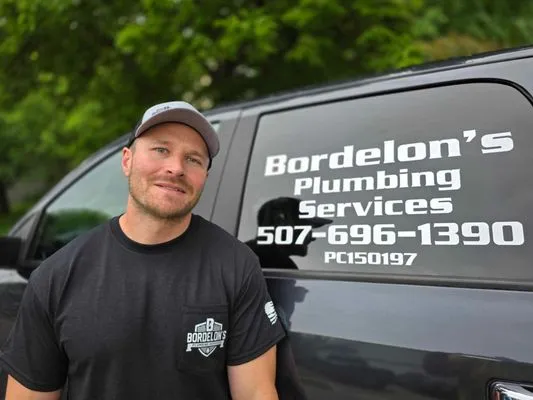
Bordelon's Plumbing Services is a trusted, fully certified plumbing company serving Rochester, MN, and surrounding Olmsted County. Led by Brad Bordelon, our team provides reliable solutions for both h...
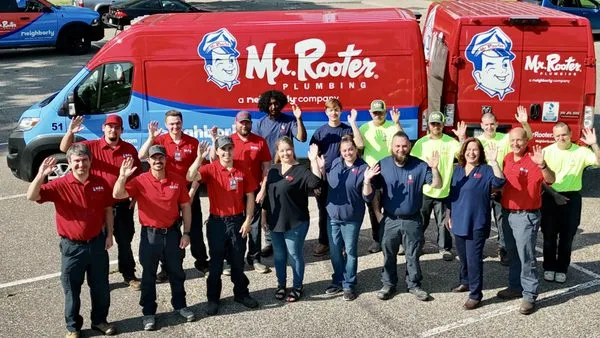
Mr. Rooter Plumbing of Rochester-MN
Mr. Rooter Plumbing of Rochester-MN is a locally owned and operated plumbing service deeply committed to serving the Rochester community. We are a proud part of a legacy that began in 1970, built on a...
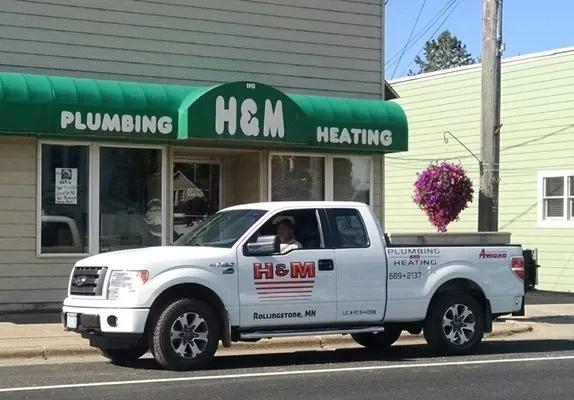
H & M Plumbing & Heating
H & M Plumbing & Heating Inc. is a family-owned local business serving Winona, Rollingstone, and the surrounding communities. We offer professional plumbing, heating, and air conditioning services for...
First Class Plumbing & Heating
Since 1994, First Class Plumbing & Heating has been the trusted, local choice for Rochester's residential and business plumbing needs. As a licensed provider, we offer comprehensive services ranging f...
Estimated Plumbing Costs in Strum, WI
Frequently Asked Questions
Are plumbing issues different for a rural Strum home versus one in a town?
The core systems are. You're responsible for everything from the well casing to the septic tank drain field, with no municipal backup. Pressure is managed by your well pump and pressure tank, not a city main. A failing pressure switch or a full septic tank are common rural emergencies you won't have in a connected system. Maintenance on these private systems is mandatory, not deferred.
Why are so many older homes in Strum suddenly having plumbing problems?
Your copper pipes are likely around 55 years old now, installed when the area was developed in 1971. This is a standard lifespan for copper in our water conditions. Homeowners in Strum Village Center are now seeing the cumulative effect of decades of hard water, where pinhole leaks and failing solder joints become common. It's not a coincidence; it's a predictable maintenance milestone for properties of this era.
What's the most common repair for 1970s copper plumbing in Strum?
Pinhole leaks from corrosion are the frequent call. After 55 years, the interior of copper pipes can thin in spots, especially at fittings and where hard water scale has created a corrosive environment. We often find these leaks in horizontal runs in basements or behind walls. Repair typically involves cutting out the failed section and soldering in a new piece of type L copper.
What's one thing I should do before spring to avoid a plumbing disaster?
Before the spring thaw hits its peak, shut off and drain any exterior hose bibs from inside the house. Our winter lows near 6°F mean frost penetrates deep, and a bib that froze can split the pipe inside your wall. Draining it prevents pressure buildup when that ice block melts. This simple five-minute task is the best defense against a major water leak come April.
Does having a private well mean my water heater will fail sooner?
Yes, the unsoftened hard water from private wells directly shortens appliance life. Minerals like calcium and magnesium form scale that insulates the heating elements in your water heater, forcing it to work harder and overheat. This scale also builds up inside faucet cartridges and valve seats, leading to low flow and drips. A quality whole-house water softener is not a luxury here; it's essential hardware protection.
How long does it take for a plumber to get to my house in Strum?
From my shop, heading past Strum City Park on US-10 is the main route. For most calls in the village, I plan for a 45 to 60 minute dispatch time to account for rural roads and weather. Knowing the back roads and driveways helps, but that window ensures I have the right parts on the truck when I arrive at your door.
Do I need a permit to replace my water heater or reroute a pipe?
Often, yes. Trempealeau County Zoning and Land Management requires permits for water heater replacements and most substantial plumbing alterations to ensure code compliance, especially for well and septic interfaces. As a master plumber licensed by the Wisconsin Department of Safety and Professional Services, I pull those permits and schedule inspections. My job is to handle that red tape so your project is documented and legal.
Could the hilly land around Strum City Park be causing my drainage issues?
Absolutely. The slope affects how water moves away from your foundation and how gravity works on your main sewer line. A house downhill from the park may deal with more groundwater saturation, while one uphill can have a sewer line with excessive pitch, causing waste to outrun water and leave solids behind. Proper grading and correctly sloped pipe installation are critical here, not optional.
