Top Emergency Plumbers in Springfield, WI, 53528 | Compare & Call

There are 72 plumbing companies server in Springfield WI
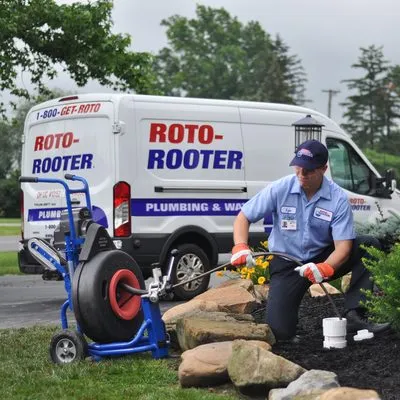
Roto-Rooter Plumbing & Water Cleanup
Roto-Rooter Plumbing & Water Cleanup is a trusted, locally-operated service in Kenosha, Wisconsin. We are fully staffed and ready to help our neighbors 24 hours a day, 7 days a week, with no extra cha...

Piping Pro Plumbing
Piping Pro Plumbing, serving Evansville and the surrounding area since 2015, is built on a foundation of deep, practical experience. Owner and master plumber Sean Brown brings a comprehensive backgrou...

JC Plumbing & Heating
JC Plumbing & Heating is your trusted local plumbing expert serving Elkhorn, WI, and the surrounding areas. We specialize in a comprehensive range of residential plumbing services, from routine repair...

Riteway Heating, Cooling, & Plumbing Services
Riteway Heating, Cooling, & Plumbing Services is your trusted, family-run home comfort expert in Delavan and throughout Walworth County. Owned and operated by Jeff Papcke, a third-generation HVAC prof...
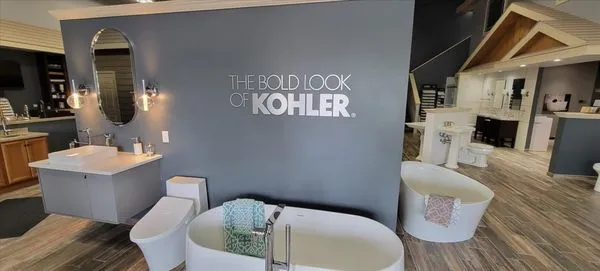
Koenen's Water Works Plumbing
Koenen's Water Works Plumbing is a family-owned, full-service plumbing company serving Burlington, WI, and southeastern Wisconsin. While established under its current name in 2021, the business has be...

Martens Plumbing & Heating
Martens Plumbing & Heating, Inc. is a family-owned plumbing and heating service that has been serving the Mukwonago, WI community since 1956. With decades of experience, they specialize in HVAC system...
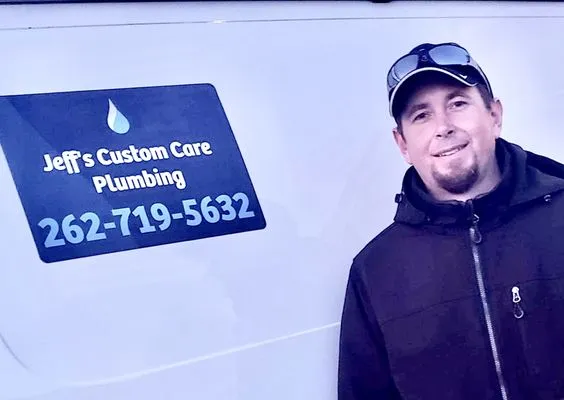
Jeff's Custom Care Plumbing
Jeff's Custom Care Plumbing is a licensed, family-owned plumbing service proudly serving Waterford, WI, and the surrounding Waukesha area for over 20 years. Founded by Jeff, a master plumber with deca...

Mke Property Maintenance provides reliable electrical, plumbing, and HVAC services for Milwaukee homeowners. We understand the unique challenges of local homes, including common issues like drain clog...
Wally Blanton Plumbing and Sewer
Wally Blanton Plumbing and Sewer is a trusted, licensed provider serving Kenosha, WI, and the wider Chicago-Land area. We offer comprehensive plumbing and sewer solutions for both homes and businesses...
Master Services
Master Services is a veteran-owned home services company that has been serving Lake Geneva, WI, and the surrounding area since 1990. We specialize in residential plumbing, heating, and cooling solutio...
Estimated Plumbing Costs in Springfield, WI
Questions and Answers
Could the hilly land around here cause plumbing problems?
The sloping terrain near Springfield Mill Pond affects drainage and puts consistent stress on underground pipes. A main sewer line running downhill can suffer from increased flow velocity and joint separation over time. For homes built into a hillside, the main water service line may have excessive pressure that requires a regulator to protect fixtures.
Does having a private well affect my plumbing fixtures?
Yes, private wells in Springfield typically pull from groundwater with high mineral content. This hard water causes scale to cement inside pipes and rapidly coats water heater elements, reducing efficiency and lifespan. Anode rods in water heaters deplete faster here, and fixtures like showerheads will clog with mineral deposits without regular cleaning.
Who handles permits for a plumbing job in Walworth County?
Permits for substantial work are often required through Walworth County Land Use and Resource Management. As a master plumber licensed by the Wisconsin Department of Safety and Professional Services, I secure the necessary permits and schedule inspections. This ensures the work meets code, and you don't have to manage the red tape yourself.
Why are my old pipes starting to fail all at once?
Homes built with galvanized steel around 1938 are now 88 years old, which is well past the expected service life. Springfield Center homeowners are seeing a wave of failures because the interior of these pipes corrodes and accumulates mineral scale until the water path is completely blocked or rust creates a pinhole leak. The process is slow for decades, but it accelerates dramatically once the pipe wall becomes thin enough.
How quickly can a plumber get to my house in Springfield?
Heading past Springfield Mill Pond on State Highway 120 is the primary route for most calls in the area. From our shop, that puts us at your door typically within 45 to 60 minutes. We factor in local traffic and weather, especially during winter, to give you a realistic arrival window when you call.
Are septic system issues common for rural Springfield properties?
In our rural setting, septic and well systems are interdependent. A failing septic drain field can saturate the soil and, in hilly areas, potentially contaminate a downgradient well. It's important to have both systems inspected regularly, as the health of one directly impacts the other and your home's overall water quality.
What causes low water pressure in an older Springfield home?
In 88-year-old galvanized steel systems, scale buildup from decades of hard water is the usual culprit. The interior diameter of the pipe can shrink from a half-inch down to pencil-thin, severely restricting flow. Complete blockages often happen at the threaded joints, where corrosion and calcification are most severe.
What should I do to prepare my plumbing for a Springfield winter?
Insulate any pipes in unheated crawl spaces or along exterior walls before temperatures hit 10°F. A key pro-tip for our snow belt is to disconnect and drain your garden hoses in the fall; a frozen hose bib can split the pipe inside the wall. Be vigilant during the spring thaw, as shifting ground from frost heave can stress older supply lines and cause leaks.
