Top Emergency Plumbers in Slinger, WI, 53027 | Compare & Call

There are 68 plumbing companies server in Slinger WI
Axis Mechanical is a locally owned and operated plumbing service in Milwaukee, built on a foundation of local expertise and a commitment to reliable craftsmanship. Owner-operated by a licensed plumber...
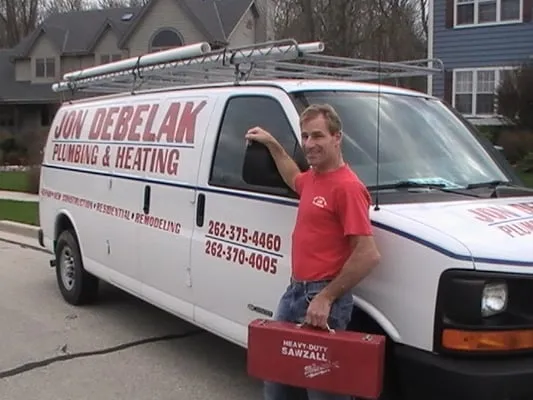
Debelak, Jon Plumbing & Heating is a Sussex-rooted, family-operated plumbing and heating business with a legacy dating back to 1994. Founded by Jon DeBelak, the company represents a third generation o...
Ingrilli Vince & Sons Plumbing is a trusted, family-owned Milwaukee plumbing business with deep roots in the community. Founded by Vince Ingrilli in 1972, the family's expertise spans over six decades...

Reupert Plumbing is a trusted plumbing service provider serving Milwaukee and surrounding areas including Waukesha, Washington, and Ozaukee Counties. We offer comprehensive plumbing solutions for resi...

Fennig Plumbing & Heating
Fennig Plumbing & Heating is a family-owned business built on over a century of local expertise, beginning in 1913 when Charles Fennig started his operation. Now led by third-generation owner Louie Fe...

Remedy Plumbing & Heating
Remedy Plumbing & Heating is a full-scale plumbing and heating contractor proudly serving Malone and the broader central and southeast Wisconsin region. Based in the 54935 area, we provide comprehensi...
Blau Sudden Service
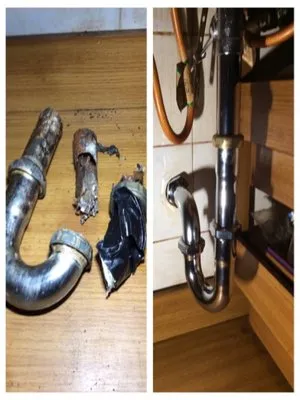
Since 1960, Blau Sudden Service has been a trusted, family-owned plumbing and HVAC provider for Milwaukee residents. Now in its second generation, the business is built on a foundation of local knowle...
Hagen Plumbing Service
Hagen Plumbing Service is a trusted local plumbing company serving Germantown, WI, and surrounding areas since 2010. Founded by Master Plumber Erik Hagen, who brings over 23 years of experience in res...
Rooter-Man is a family-owned and operated plumbing, sewer, and drain cleaning company proudly serving Milwaukee and the surrounding communities. For over 40 years, our local team has built a reputatio...
Rick's Plumbing is your trusted local plumbing expert serving Hartford and the surrounding communities. As a family-owned and operated business, we understand the specific challenges Hartford homeowne...
Estimated Plumbing Costs in Slinger, WI
Question Answers
What should I do before spring thaw to prevent plumbing problems?
Before spring thaw hits its peak, disconnect garden hoses and drain outdoor faucets completely. Check crawl spaces and basements for any exposed pipes that might have developed condensation during winter. Temperatures around 10°F followed by rapid warming can cause ground shifts that stress main lines, so inspect your foundation for new cracks that might indicate pipe movement.
Who handles permits and inspections for plumbing work in Slinger?
The Village of Slinger Building Inspection Department manages local permits while Wisconsin Department of Safety and Professional Services credentials cover state requirements. I handle the red tape so you don't have to - from pulling permits to scheduling inspections after repairs or installations. This ensures your plumbing work meets both village codes and Wisconsin plumbing standards without you navigating multiple agencies.
Does the hilly terrain around Little Switzerland affect my home's drainage?
The hilly slopes in this area create drainage challenges for main sewer lines. Gravity pulls wastewater downhill, but soil erosion around foundations can expose and stress pipes. Homes on slopes often experience lateral line stress where the pipe enters the municipal system. Proper grading and French drains help, but the terrain naturally puts more pressure on underground plumbing over time.
As a suburban homeowner, what unique plumbing issues should I watch for?
Suburban homes in Slinger deal with municipal water pressure variations that stress older copper systems. Tree roots seek out lateral sewer lines, especially during dry periods when they're searching for moisture. The combination of municipal pressure fluctuations and root intrusion creates a specific maintenance pattern different from rural well systems or dense urban infrastructure.
How quickly can a plumber reach my home in Slinger?
Heading past Little Switzerland Ski Area on I-41, most service calls take 20-30 minutes from dispatch. The route follows I-41 south to the Slinger exits, then local roads to your neighborhood. Traffic patterns around ski season or summer events might add a few minutes, but the interstate access keeps response times consistent.
How does Slinger's hard water affect my plumbing system?
Municipal wells in Slinger supply water with high mineral content that causes scale buildup. This scaling reduces water heater efficiency by insulating heating elements and tanks, forcing them to work harder. Fixtures develop mineral deposits that restrict flow and damage seals over time. Water softeners help, but the existing scale in older systems still requires periodic maintenance.
Why do my 1994-era copper pipes keep developing pinhole leaks?
Copper pipes from that era experience pinhole leaks due to electrolytic corrosion and scale buildup inside the pipes. The water chemistry from municipal wells interacts with the copper over decades, creating weak spots. Joint calcification also occurs where solder meets pipe, creating stress points that eventually fail under normal water pressure.
My copper pipes were installed around 1994 - what should I expect now?
Copper pipes installed in 1994 are now 32 years old. Homeowners in Downtown Slinger are seeing pinhole leaks and joint failures as the copper reaches the end of its typical lifespan. The original soldered joints are developing cracks from decades of thermal expansion and water pressure cycles. This age of copper often shows green corrosion spots at fittings before leaks become visible.
