Top Emergency Plumbers in Silver Lake, WI, 53168 | Compare & Call

There are 96 plumbing companies server in Silver Lake WI
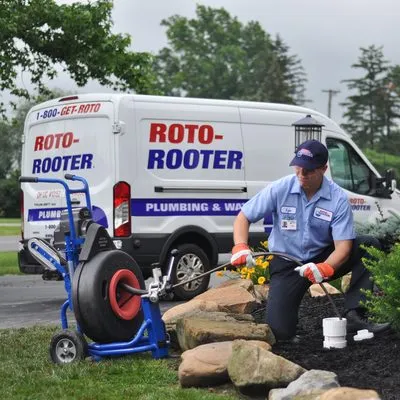
Roto-Rooter Plumbing & Water Cleanup
Roto-Rooter Plumbing & Water Cleanup is a trusted, locally-operated service in Kenosha, Wisconsin. We are fully staffed and ready to help our neighbors 24 hours a day, 7 days a week, with no extra cha...
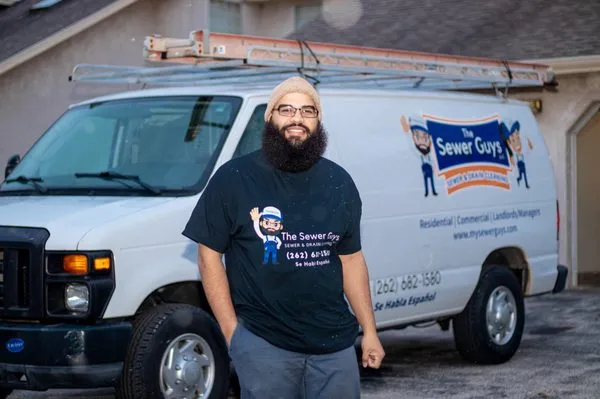
The Sewer Guys, LLC is a family-owned and operated sewer and drain cleaning company proudly serving clients in Kenosha, WI. As a local, family-run business, we understand the importance of reliable pl...
Riteway Heating, Cooling, & Plumbing Services
Riteway Heating, Cooling, & Plumbing Services is your trusted, family-run home comfort expert in Delavan and throughout Walworth County. Owned and operated by Jeff Papcke, a third-generation HVAC prof...
Bassett Plumbing
Bassett Plumbing is your trusted Twin Lakes plumber, dedicated to solving the common plumbing issues faced by local homeowners. We specialize in addressing pipe joint and old pipe leaks that can disru...
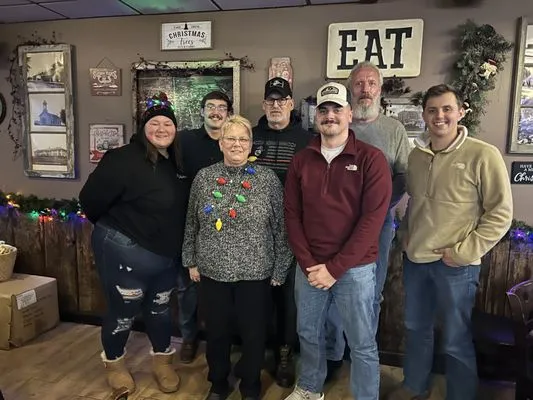
Kenosha Plumbing is a locally owned and operated plumbing company serving Kenosha, WI, with over 30 years of industry experience. Led by owner Katie, who transitioned from a banking career to complete...

Mke Property Maintenance provides reliable electrical, plumbing, and HVAC services for Milwaukee homeowners. We understand the unique challenges of local homes, including common issues like drain clog...

J M Brennan
J.M. Brennan is a family-owned mechanical contracting firm that has been serving Milwaukee and southeastern Wisconsin since 1932. With deep roots in the community, we provide reliable HVAC installatio...
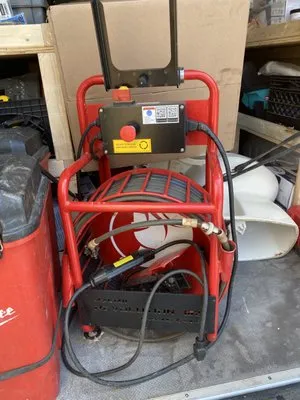
Wally Blanton Plumbing and Sewer
Wally Blanton Plumbing and Sewer is a trusted, licensed provider serving Kenosha, WI, and the wider Chicago-Land area. We offer comprehensive plumbing and sewer solutions for both homes and businesses...
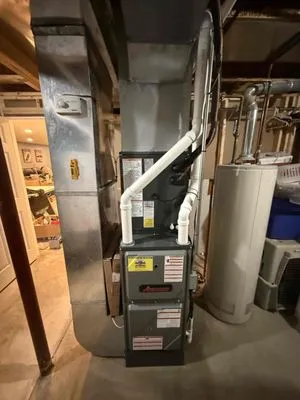
Master Services
Master Services is a veteran-owned home services company that has been serving Lake Geneva, WI, and the surrounding area since 1990. We specialize in residential plumbing, heating, and cooling solutio...
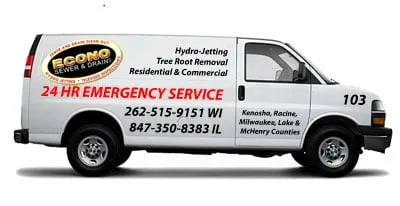
Econo Sewer & Drain is a family-owned plumbing service proudly serving Kenosha, Racine, Zion, and the surrounding communities of Southeast Wisconsin and Northern Illinois. Established in 2010 and buil...
Estimated Plumbing Costs in Silver Lake, WI
FAQs
Who handles the permits if I need to replace my water heater or repipe my house?
Permits for major plumbing work in Silver Lake are filed with the Village of Silver Lake Building Department. As a master plumber licensed by the Wisconsin Department of Safety and Professional Services, I handle securing the necessary permits and scheduling the required inspections. This ensures the work meets all state and local codes for safety and insurance purposes. My credential means I navigate the red tape so you don't have to, and the final inspection provides you with official documentation that the job was done correctly.
Why do my copper pipes keep springing pinhole leaks?
Copper pipes installed in 1968 are susceptible to pinhole leaks due to a process called Type 1 pitting corrosion, often accelerated by our local water chemistry. Over nearly six decades, microscopic imperfections in the pipe's interior can develop into tiny holes, typically appearing on horizontal runs or near fittings. The leaks often start as a faint stain on a ceiling or a small drip, but the corrosion weakens the surrounding metal, leading to more frequent failures. Replacing entire sections, rather than just patching individual holes, is usually the most reliable long-term fix.
Our Silver Lake Village home was built around 1968. Should I be worried about the plumbing?
Your copper pipes are now about 58 years old, which is a typical lifespan for this material. Homeowners in the area are commonly seeing pinhole leaks and a noticeable drop in water pressure as the internal pipe walls thin from decades of water flow. This wear is not a sign of poor initial work, but simply the natural aging process of the system. Addressing small leaks promptly can prevent the water damage and mold that often follow when these failures are ignored.
Could the hilly land around my house be causing plumbing problems?
Hilly terrain places constant stress on the main sewer line or water service line running from your house to the street or well. The soil can shift seasonally, especially with freeze-thaw cycles, potentially causing pipes to sag, develop low spots that collect debris, or even crack at joints. For drainage, ensure your yard grading directs water away from the foundation, as pooling water near the home can infiltrate and overload your septic system's drain field. A video inspection of your main line can identify any slope-related issues before they cause a backup.
Are there special plumbing considerations for a rural home with a well and septic system?
Maintaining the balance between your private well and septic system is key. A running toilet or a leaky faucet can overwork the well pump and prematurely flood the septic drain field. Be mindful of what goes down the drain, as a septic system requires bacterial action that harsh chemicals can disrupt. It's also wise to know the location of your well head and septic tank access lids for service. Unlike a municipal system, you are responsible for the entire water cycle on your property, from source to disposal.
What's the most important plumbing task before spring in this area?
The critical task is to disconnect and drain your garden hoses before the first hard freeze, which can dip to 12°F here. A frozen hose bib can burst the water supply pipe inside your wall, leading to a major leak when it thaws. Make this a habit every fall. During the spring thaw peak, also check the area around your foundation for any new moisture, as shifting ground can stress underground pipes. A small investment in an insulated hose bib cover can prevent a costly repair.
Does hard water from a private well damage my plumbing fixtures?
Yes, the mineral-rich water common to private wells in Silver Lake causes scale buildup inside pipes, water heaters, and faucet cartridges. This limestone-like crust reduces water flow, makes appliances work harder, and drastically shortens the life of water heater elements and washing machine valves. You will notice reduced pressure and may hear popping or rumbling from the water heater as scale breaks loose. Installing a whole-house water softener is the most effective defense to protect your entire plumbing system from this accelerated wear.
How long does it take for a plumber to get to a home in Silver Lake?
From our shop, heading past Silver Lake on State Highway 50 is the main route for most calls in the area. The trip to a specific address usually takes 45 to 60 minutes once we're on the road, accounting for the rural roads and driveways off the main highway. We factor this travel time into our dispatch schedule to give you a realistic arrival window. Knowing the local routes helps us navigate efficiently, especially during seasonal road work.
