Top Emergency Plumbers in Salem Lakes, WI, 53168 | Compare & Call

There are 236 plumbing companies server in Salem Lakes WI
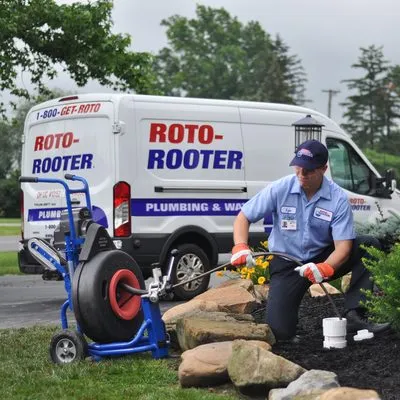
Roto-Rooter Plumbing & Water Cleanup
Roto-Rooter Plumbing & Water Cleanup is a trusted, locally-operated service in Kenosha, Wisconsin. We are fully staffed and ready to help our neighbors 24 hours a day, 7 days a week, with no extra cha...

Piping Pro Plumbing
Piping Pro Plumbing, serving Evansville and the surrounding area since 2015, is built on a foundation of deep, practical experience. Owner and master plumber Sean Brown brings a comprehensive backgrou...

JC Plumbing & Heating
JC Plumbing & Heating is your trusted local plumbing expert serving Elkhorn, WI, and the surrounding areas. We specialize in a comprehensive range of residential plumbing services, from routine repair...
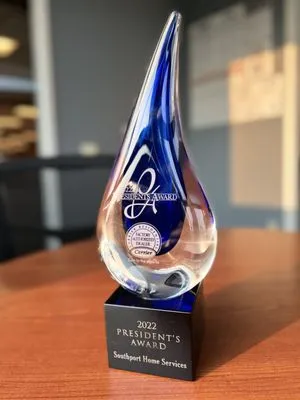
Southport Home Services
Southport Home Services is a trusted local contractor serving Caledonia, WI, and Southeast Wisconsin. Founded in 2005 by a team with decades of combined engineering and contracting experience, we've g...

Patriot Pro, proudly veteran-owned and operated in Palmyra, WI, stands on the principles of integrity and dedicated service. We provide HVAC and plumbing solutions for our local community, ensuring ex...
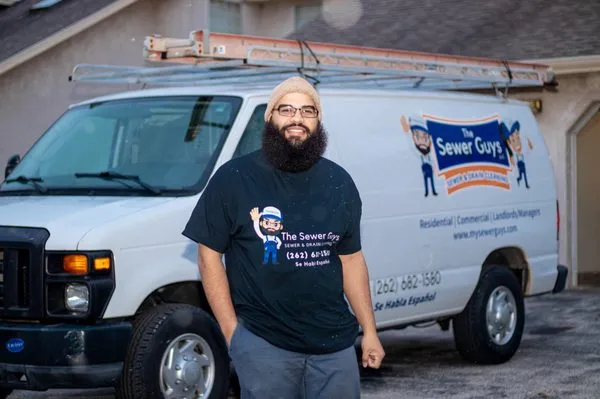
The Sewer Guys, LLC is a family-owned and operated sewer and drain cleaning company proudly serving clients in Kenosha, WI. As a local, family-run business, we understand the importance of reliable pl...
Building Waters
Building Waters is a trusted plumbing, heating, air conditioning, and refrigeration service provider serving Racine and Southeast Wisconsin for over 30 years. Our licensed professionals offer comprehe...

Riteway Heating, Cooling, & Plumbing Services
Riteway Heating, Cooling, & Plumbing Services is your trusted, family-run home comfort expert in Delavan and throughout Walworth County. Owned and operated by Jeff Papcke, a third-generation HVAC prof...
Koenen's Water Works Plumbing
Koenen's Water Works Plumbing is a family-owned, full-service plumbing company serving Burlington, WI, and southeastern Wisconsin. While established under its current name in 2021, the business has be...
Bassett Plumbing
Bassett Plumbing is your trusted Twin Lakes plumber, dedicated to solving the common plumbing issues faced by local homeowners. We specialize in addressing pipe joint and old pipe leaks that can disru...
Estimated Plumbing Costs in Salem Lakes, WI
Question Answers
What should I do before spring thaw to prevent plumbing problems?
Before spring thaw when temperatures can drop to 12°F, disconnect and drain outdoor hoses to prevent backflow freezing. Insulate exposed pipes in crawl spaces and basements where cold air penetrates. Check your main shutoff valve operates smoothly—thaw cycles can reveal worn seals. Monitor for new drips as ground thaw shifts foundation pipes.
What permits or regulations apply to plumbing work in Salem Lakes?
Salem Lakes Building and Zoning Department requires permits for water heater replacements, main line repairs, and septic modifications. My Wisconsin Department of Safety and Professional Services credentials cover the necessary inspections and code compliance. I handle the red tape so you don't have to navigate setback requirements, wellhead protection zones, or discharge regulations that vary by property.
How does well water with hard minerals affect my plumbing system?
Private wells in Salem Lakes deliver hard water with high mineral content that causes scale buildup throughout your plumbing. Water heaters accumulate sediment that reduces efficiency and can overheat bottom elements. Fixtures develop mineral deposits that restrict flow and damage seals. Over years, this scaling narrows pipe diameter and increases pressure on aging components.
Why do my 1980s copper pipes keep developing pinhole leaks?
Copper pipes from the 1980s experience pinhole leaks due to electrolytic corrosion accelerated by our hard water. The mineral content creates microscopic galvanic cells that eat through pipe walls over four decades. Joint calcification also stresses connections as mineral deposits expand. These failures typically appear first at elbows and tees where water flow creates turbulence against the pipe interior.
My copper pipes are from 1986 - what should I expect at this age?
Copper pipes installed around 1986 are now 40 years old. Homeowners in Silver Lake are seeing increased frequency of pinhole leaks, especially at joints and elbows where water turbulence causes erosion. This aging copper becomes thinner over decades, particularly in areas with hard water mineral buildup. Expect more frequent small leaks rather than catastrophic failures, but these can still cause significant water damage if left unaddressed.
Are there special considerations for rural plumbing with well and septic?
Rural properties with private wells and septic systems require balanced water pressure to avoid overwhelming drain fields. Well pumps need regular maintenance as hard water minerals wear components. Septic tank location relative to the home affects main line slope and cleanout accessibility. Unlike municipal systems, you're responsible for the entire water cycle from wellhead to drain field.
How quickly can a plumber reach my home in Salem Lakes?
Heading past Richard Bong State Recreation Area on I-94, most service calls in Salem Lakes take 45-60 minutes from dispatch. The route follows I-94 westbound with exits serving the Silver Lake area directly. Traffic patterns are predictable outside summer weekends when recreation traffic increases. This timing accounts for rural road navigation once off the interstate.
Does the low-lying land around here cause drainage issues for plumbing?
Low-lying terrain around Richard Bong State Recreation Area affects drainage by keeping soil saturated longer. This constant moisture accelerates corrosion on buried main lines and puts hydrostatic pressure on foundation walls. Drain fields and septic systems work harder in these conditions. Proper grading away from your home foundation becomes critical to prevent water intrusion into basement plumbing.
