Top Emergency Plumbers in Rutland, WI, 53521 | Compare & Call

There are 233 plumbing companies server in Rutland WI

Piping Pro Plumbing
Piping Pro Plumbing, serving Evansville and the surrounding area since 2015, is built on a foundation of deep, practical experience. Owner and master plumber Sean Brown brings a comprehensive backgrou...

Riteway Heating, Cooling, & Plumbing Services
Riteway Heating, Cooling, & Plumbing Services is your trusted, family-run home comfort expert in Delavan and throughout Walworth County. Owned and operated by Jeff Papcke, a third-generation HVAC prof...

Remedy Plumbing & Heating
Remedy Plumbing & Heating is a full-scale plumbing and heating contractor proudly serving Malone and the broader central and southeast Wisconsin region. Based in the 54935 area, we provide comprehensi...

Skye Heating and Air Conditioning
Skye Heating and Air Conditioning is a trusted Milwaukee-based provider of comprehensive HVAC and plumbing services for both residential and commercial properties, including mobile homes. With experti...
Jim's Plumbing
Jim's Plumbing has been a trusted fixture in the Fox Valley since 1967. Founded by Jim Ujazdowski, a plumber trained in Three Lakes, WI, the business began as a one-man operation serving Appleton and ...
Master Services
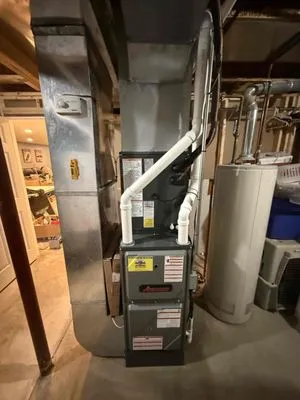
Master Services is a veteran-owned home services company that has been serving Lake Geneva, WI, and the surrounding area since 1990. We specialize in residential plumbing, heating, and cooling solutio...
Action Heating & Cooling
For over 36 years, Action Heating & Cooling has been the trusted local contractor for Brown Deer residents and businesses, providing reliable solutions for both HVAC and plumbing needs. As a certified...
Robert's Plumbing & Heating
Robert's Plumbing & Heating is a family-owned and operated plumbing and heating subcontractor serving Madison, WI, and surrounding areas since 2003. Founded by Brad Brickham and his father Robert, the...

Kettle Moraine Heating & Air Conditioning
For over 35 years, Kettle Moraine Heating & Air Conditioning has been the trusted, family-owned choice for Delafield and Southeastern Wisconsin. As a third-generation local business established in 198...

G&G Rooter is a locally owned and operated plumbing service proudly serving Janesville, WI, and surrounding counties like Walworth, Jefferson, and Dane. Founded by a dedicated single father and avid P...
Estimated Plumbing Costs in Rutland, WI
Frequently Asked Questions
Why are my 1970s copper pipes suddenly leaking?
Copper pipes from that era are prone to pinhole leaks caused by decades of internal erosion and scale buildup from hard well water. The solder used in the joints can also degrade and fail. We often find the first leaks at elbow fittings or behind appliances where water sits. It's a predictable failure point for plumbing of this vintage, and a single pinhole often indicates more are developing elsewhere in the system.
How fast can a plumber get to my house in Rutland?
Our typical dispatch route has us heading past the Badfish Creek Wildlife Area on US-14 to reach most of Rutland. This is a direct 45 to 60 minute run from our shop. We factor in Dane County traffic and weather, but that route is reliable. You can expect a call when we're about 15 minutes out so you're not waiting around.
What's the most important spring plumbing tip for Rutland's climate?
The spring thaw is the peak season for plumbing calls here. When overnight lows around 10°F give way to warmer days, the ground shifts. This movement can stress already aged copper pipes and their connections. A pro-tip is to check all visible plumbing in your basement or crawlspace for new moisture or slight misalignments after the ground has fully thawed. Catching a stressed joint early prevents a major leak later.
How old are the copper pipes in Rutland homes and what should I watch for?
The copper plumbing in Rutland homes built around 1978 is now 48 years old. At this age, the original soldered joints and the pipe walls themselves have endured decades of water flow. Homeowners in Rutland Center often call about persistent drips behind walls or a sudden drop in water pressure. This is typically the stage where systemic pinhole leaks begin to appear, often signaled by green corrosion stains on pipe fittings or unexplained damp spots on drywall.
Can the flat land here cause plumbing drainage problems?
The plain terrain around the Badfish Creek area means drainage relies more on proper grading and pipe slope than natural contours. If the soil around your foundation has settled, it can create a flat or reverse slope that prevents water from draining away from your home. This puts constant hydrostatic pressure on your foundation and can overload your main sewer line, leading to slow drains or backups during heavy rain or snowmelt.
Who handles permits for a water heater or septic repair in Dane County?
Dane County Planning and Development oversees permits for well and septic work, while the Wisconsin Department of Safety and Professional Services governs plumbing code. As a master plumber licensed by the state, I pull the required permits and ensure all work passes inspection. My credential means I handle that red tape so you don't have to navigate the county and state regulations yourself.
Does hard well water damage my plumbing and water heater?
Yes, the mineral content in Rutland's private well water accelerates scale buildup inside pipes and appliances. Your water heater's tank and heating elements are particularly vulnerable; scale acts as an insulator, forcing the heater to work harder and fail sooner. Fixtures like shower heads and faucet aerators will clog frequently. Installing and maintaining a proper water softener is the most effective defense for protecting your home's entire plumbing system.
Are septic and well issues common for rural Rutland plumbing?
They are the two most critical systems for a rural home. A failing pressure tank or well pump will leave you without water, and septic field problems can cause backups and environmental issues. We always check the full system: from the well pump's pressure switch and the condition of the holding tank to the flow into the septic system. These components work together, and a problem in one often shows symptoms in another.
