Top Emergency Plumbers in Pell Lake, WI, 53157 | Compare & Call

There are 171 plumbing companies server in Pell Lake WI
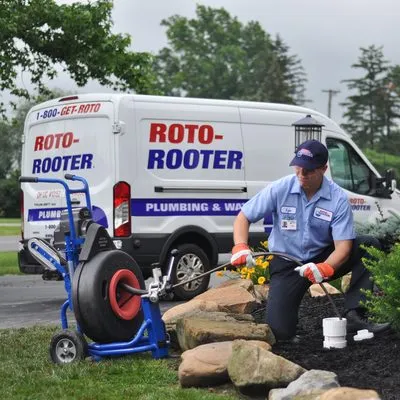
Roto-Rooter Plumbing & Water Cleanup
Roto-Rooter Plumbing & Water Cleanup is a trusted, locally-operated service in Kenosha, Wisconsin. We are fully staffed and ready to help our neighbors 24 hours a day, 7 days a week, with no extra cha...

Piping Pro Plumbing
Piping Pro Plumbing, serving Evansville and the surrounding area since 2015, is built on a foundation of deep, practical experience. Owner and master plumber Sean Brown brings a comprehensive backgrou...

JC Plumbing & Heating
JC Plumbing & Heating is your trusted local plumbing expert serving Elkhorn, WI, and the surrounding areas. We specialize in a comprehensive range of residential plumbing services, from routine repair...
Riteway Heating, Cooling, & Plumbing Services
Riteway Heating, Cooling, & Plumbing Services is your trusted, family-run home comfort expert in Delavan and throughout Walworth County. Owned and operated by Jeff Papcke, a third-generation HVAC prof...
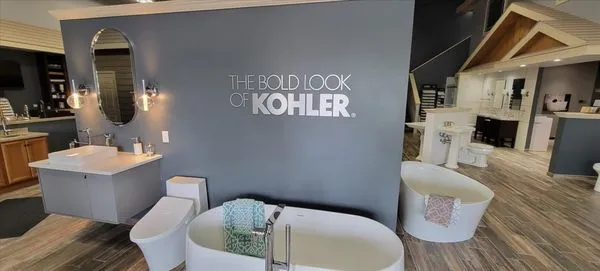
Koenen's Water Works Plumbing
Koenen's Water Works Plumbing is a family-owned, full-service plumbing company serving Burlington, WI, and southeastern Wisconsin. While established under its current name in 2021, the business has be...
Bassett Plumbing
Bassett Plumbing is your trusted Twin Lakes plumber, dedicated to solving the common plumbing issues faced by local homeowners. We specialize in addressing pipe joint and old pipe leaks that can disru...
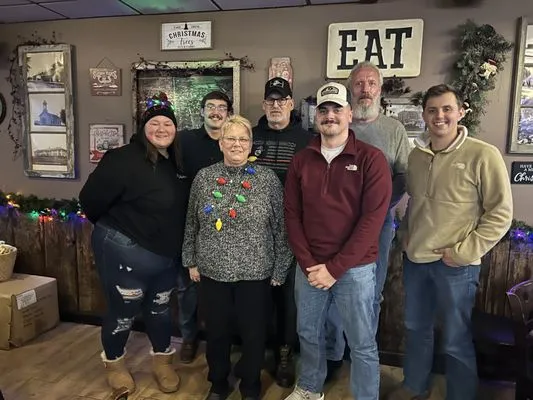
Kenosha Plumbing is a locally owned and operated plumbing company serving Kenosha, WI, with over 30 years of industry experience. Led by owner Katie, who transitioned from a banking career to complete...
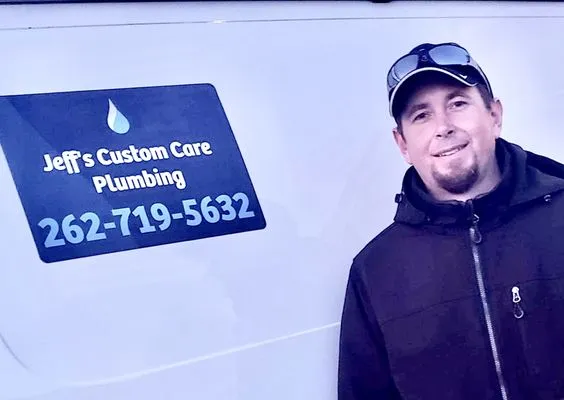
Jeff's Custom Care Plumbing
Jeff's Custom Care Plumbing is a licensed, family-owned plumbing service proudly serving Waterford, WI, and the surrounding Waukesha area for over 20 years. Founded by Jeff, a master plumber with deca...
Mke Property Maintenance provides reliable electrical, plumbing, and HVAC services for Milwaukee homeowners. We understand the unique challenges of local homes, including common issues like drain clog...

J M Brennan
J.M. Brennan is a family-owned mechanical contracting firm that has been serving Milwaukee and southeastern Wisconsin since 1932. With deep roots in the community, we provide reliable HVAC installatio...
Estimated Plumbing Costs in Pell Lake, WI
Q&A
How quickly can a plumber reach my home in Pell Lake?
Heading past Pell Lake on I-43, our dispatch route covers most local calls within 45-60 minutes. We keep trucks stocked with common galvanized fittings and well system parts to handle immediate repairs. Traffic patterns on I-43 during peak hours can add 10-15 minutes to northern routes, but we factor that into our scheduling.
How old are the pipes in my Pell Lake Heights home and what should I expect?
Galvanized steel pipes installed around 1964 are now 62 years old. At this age, homeowners in Pell Lake Heights commonly see reduced water pressure from internal rust buildup and frequent leaks at threaded joints. The steel corrodes from the inside out, leaving mineral deposits that restrict flow. You might notice discolored water or sudden pressure drops when multiple fixtures run simultaneously.
Does well water damage my plumbing fixtures?
Private wells in Pell Lake typically pull hard water with high mineral content. Scale buildup from calcium and magnesium coats water heater elements, reducing efficiency by 30-40% over 5-7 years. Fixtures like showerheads and faucet aerators clog with mineral deposits, requiring frequent cleaning. Without treatment, this scaling also accelerates corrosion in galvanized pipes and water heater tanks.
How does rural living affect my septic and well systems?
Homes on private wells and septic systems require different maintenance than municipal connections. Well pumps and pressure tanks need annual checks for sediment buildup from hard water. Septic systems in this area benefit from bacterial additives to break down solids, especially with the mineral content from well water. We recommend septic inspections every 3-5 years, as tree roots seek moisture and can infiltrate older drain fields.
Could my home's location near Pell Lake cause drainage issues?
Low-lying terrain around Pell Lake means groundwater sits closer to the surface, putting constant hydrostatic pressure on your main sewer line. During heavy rains or snow melt, saturated soil can shift and stress pipe joints. We often find bellies or sags in drainage lines where soil settlement has occurred, leading to recurring clogs. Proper grading away from your foundation helps, but older lines may need camera inspection.
What should I do before spring thaw to prevent plumbing problems?
With lows around 12°F and heavy snow melt during spring thaw, insulate exposed pipes in crawl spaces and basements. Disconnect garden hoses before winter to prevent ice backing into supply lines. Check your main shutoff valve annually—frozen pipes can burst when thawing creates pressure spikes. Keep cabinet doors open during cold snaps to let warm air circulate around pipes.
Why do my older pipes keep springing leaks?
Galvanized steel pipes from 1964 develop pinhole leaks as the zinc coating wears off and the underlying steel corrodes. Joint calcification is another issue—mineral deposits from hard water cement threaded connections, making them brittle. When you turn a valve or experience temperature changes, these weakened joints can crack. We often find leaks first at elbows and tees where water turbulence accelerates corrosion.
Who handles permits for plumbing work in Bloomfield?
The Bloomfield Building Inspection Department requires permits for most plumbing repairs and replacements. As a master plumber licensed through the Wisconsin Department of Safety and Professional Services, I handle the red tape so you don't have to. This includes submitting plans, scheduling inspections, and ensuring work meets current code. Proper permitting protects your home's value and ensures installations are safe and durable.
