Top Emergency Plumbers in Paddock Lake, WI, 53168 | Compare & Call

There are 113 plumbing companies server in Paddock Lake WI
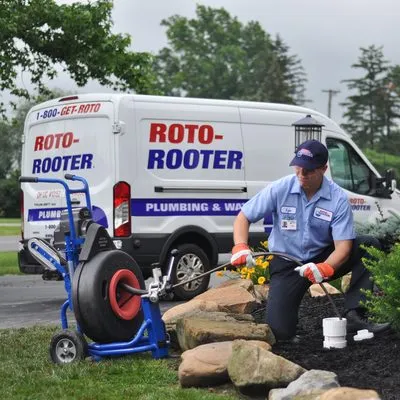
Roto-Rooter Plumbing & Water Cleanup
Roto-Rooter Plumbing & Water Cleanup is a trusted, locally-operated service in Kenosha, Wisconsin. We are fully staffed and ready to help our neighbors 24 hours a day, 7 days a week, with no extra cha...
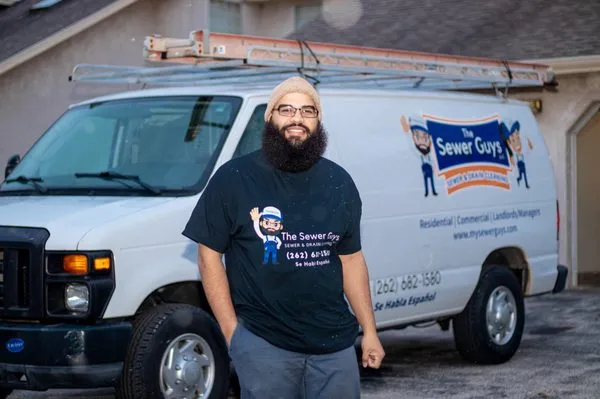
The Sewer Guys, LLC is a family-owned and operated sewer and drain cleaning company proudly serving clients in Kenosha, WI. As a local, family-run business, we understand the importance of reliable pl...
Building Waters
Building Waters is a trusted plumbing, heating, air conditioning, and refrigeration service provider serving Racine and Southeast Wisconsin for over 30 years. Our licensed professionals offer comprehe...

Riteway Heating, Cooling, & Plumbing Services
Riteway Heating, Cooling, & Plumbing Services is your trusted, family-run home comfort expert in Delavan and throughout Walworth County. Owned and operated by Jeff Papcke, a third-generation HVAC prof...
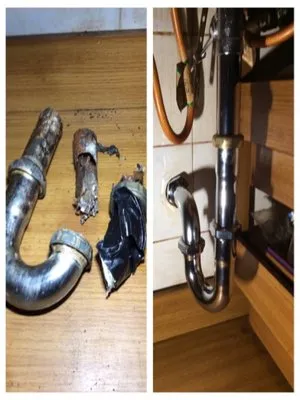
Blau Sudden Service
Since 1960, Blau Sudden Service has been a trusted, family-owned plumbing and HVAC provider for Milwaukee residents. Now in its second generation, the business is built on a foundation of local knowle...
Bassett Plumbing
Bassett Plumbing is your trusted Twin Lakes plumber, dedicated to solving the common plumbing issues faced by local homeowners. We specialize in addressing pipe joint and old pipe leaks that can disru...
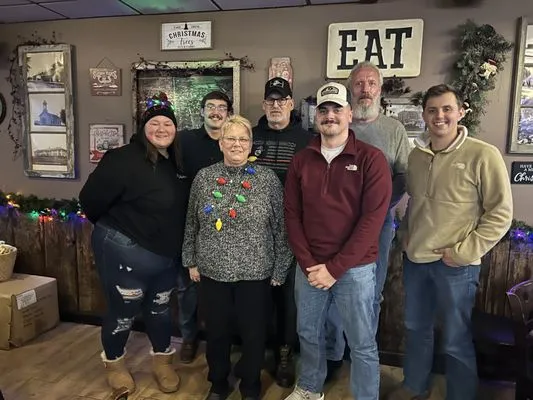
Kenosha Plumbing is a locally owned and operated plumbing company serving Kenosha, WI, with over 30 years of industry experience. Led by owner Katie, who transitioned from a banking career to complete...

Mke Property Maintenance provides reliable electrical, plumbing, and HVAC services for Milwaukee homeowners. We understand the unique challenges of local homes, including common issues like drain clog...

J M Brennan
J.M. Brennan is a family-owned mechanical contracting firm that has been serving Milwaukee and southeastern Wisconsin since 1932. With deep roots in the community, we provide reliable HVAC installatio...
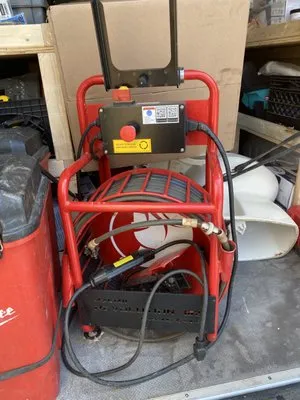
Wally Blanton Plumbing and Sewer
Wally Blanton Plumbing and Sewer is a trusted, licensed provider serving Kenosha, WI, and the wider Chicago-Land area. We offer comprehensive plumbing and sewer solutions for both homes and businesses...
Estimated Plumbing Costs in Paddock Lake, WI
Questions and Answers
What's the most important spring plumbing maintenance for Wisconsin winters?
The critical pro-tip after a winter with lows near 12°F is to check all outdoor faucets and irrigation system backflow preventers once the ground thaws. Freeze-thaw cycles can crack brass housings or loosen pipe connections that seemed fine during the cold. A slow drip from a frost-proof sillcock or a wet spot near your foundation after the spring thaw are classic signs of damage that needs immediate attention.
What permits do I need for a water heater or bathroom remodel?
For most plumbing work, you'll need a permit from the Village of Paddock Lake Building Department. As a master plumber licensed by the Wisconsin Department of Safety and Professional Services, I pull these permits as a standard part of the job. This ensures the work meets all state and local codes for safety and insurance purposes. I handle that red tape and inspection scheduling so you don't have to.
As a homeowner in a subdivision, what are my main plumbing concerns?
In a suburban setting like Paddock Lake Estates, the primary concerns are the age of the original infrastructure and shared boundary issues. Mature tree roots seeking water can infiltrate the sewer lateral between your house and the main street line. Also, while you have a private well, understanding your pump system and pressure tank is key, as these components see more wear than in a municipal supply system.
How quickly can a plumber get to me if I have a burst pipe?
My typical dispatch route from Paddock Lake uses State Highway 50 as the main artery. Heading west on 50, I can reach most homes in the immediate area and surrounding subdivisions within 25 to 35 minutes of your call. That routing is reliable for emergency service, barring major seasonal weather events on the county roads.
Why do my copper pipes keep springing tiny leaks?
Persistent pinhole leaks in 55-year-old copper are often due to a process called corrosion fatigue. Microscopic pits form inside the pipe from constant contact with water, particularly with the mineral content from local wells. Over decades, these pits can wear completely through the pipe wall. The leaks frequently appear along the bottom of horizontal runs or at older soldered joints, which are natural weak points.
Could my home's location near the lake cause plumbing problems?
The low-lying terrain around Paddock Lake means many properties have a high water table or clay-heavy soil that retains moisture. This puts constant external pressure on buried sewer and water main lines and can lead to premature pipe joint failure or line settlement. Proper grading away from the home and ensuring downspouts discharge well away from the foundation are crucial to managing this environmental stress on your underground pipes.
My copper pipes are from the 1970s. Should I be worried about them failing soon?
Copper pipes installed in the original Paddock Lake Estates development around 1971 are now 55 years old. At this age, the metal can become thin and brittle from decades of internal water flow and external soil conditions. Homeowners often start seeing persistent pinhole leaks, especially at soldered joints, which indicate the material is reaching the end of its service life. Proactive inspection or replacement planning is advisable before a minor leak escalates.
Does hard well water ruin my water heater and fixtures?
Yes, the hard water common to private wells in this area accelerates scale buildup. Inside your water heater, this mineral layer acts as an insulator, forcing the unit to work harder and shortening its lifespan. On fixtures and showerheads, scale restricts flow and can degrade rubber washers and seals. Installing and maintaining a whole-house water softener is the most effective defense for your plumbing hardware.
