Top Emergency Plumbers in Ottawa, WI, 53066 | Compare & Call

There are 238 plumbing companies server in Ottawa WI
Faust Co is a licensed and bonded plumbing company serving Milwaukee, WI, with over 125 years of experience as a family-owned business since 1898. As the oldest union contractor in the area, they spec...
Heritage Plumbing is a family-owned and operated plumbing company serving South Milwaukee and the surrounding areas. We specialize in both residential and commercial plumbing services, offering repair...
Optimal Plumbing is your trusted local plumbing specialist serving West Milwaukee, WI. We are a small, dedicated team focused on providing clear communication and reliable work for every job, from sim...
ABC Sewer & Drain Cleaning is a locally owned and operated Milwaukee plumbing company with over three decades of experience serving the community. We understand how disruptive a clogged drain or sewer...

Viking Plumbing
Viking Plumbing has been the trusted plumbing service for Oak Creek and the broader Milwaukee area since its founding in 2000. We are a local, licensed operation built on a Master Plumber's genuine pa...

Urban's Plumbing is a trusted, locally-owned plumbing service based in Waukesha and serving Lannon and surrounding communities. With over 25 years of experience, licensed owner Chris Urban leads a tea...

Axis Mechanical is a locally owned and operated plumbing service in Milwaukee, built on a foundation of local expertise and a commitment to reliable craftsmanship. Owner-operated by a licensed plumber...
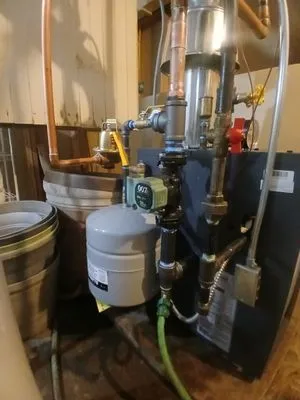
Barth Boiler is a family-owned and operated business serving Hales Corners, WI, with deep roots in boiler and HVAC services. Founded by a third-generation boilermaker with over a decade of specialized...
Feiner Plumbing Company has been a cornerstone of the Racine community since its founding in 1915. As a fifth-generation family-owned business, we've built our reputation on providing reliable and pro...
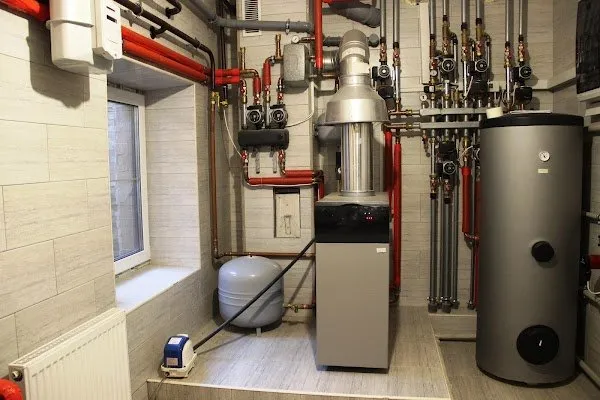
Dr. Plumber is a licensed plumbing service based in Franklin, WI, established in 2005 and serving Franklin, Oak Creek, Greendale, Muskego, and surrounding Southeastern Wisconsin communities. As a Bett...
Estimated Plumbing Costs in Ottawa, WI
Q&A
Could the hilly land around here cause plumbing problems?
The hilly terrain, like the slopes near Scuppernong Springs, puts constant static stress on the main water line running from your well to the house. Over decades, this can fatigue fittings and cause leaks. It also affects drainage; a house built into a slope may have a sewer lateral that doesn't have consistent pitch, leading to chronic drain clogs as waste struggles to flow downhill toward the septic tank or municipal main.
Does having a private well with hard water damage my plumbing?
Yes, private wells here typically pull from limestone aquifers, which means very hard water. That mineral content precipitates as scale, which coats the inside of pipes and appliances. In a water heater, scale acts as an insulator, forcing the unit to work harder and overheat its elements. On fixtures and valves, scale buildup restricts flow and grinds down rubber seals and cartridges, causing drips and premature failure.
Our home in Ottawa was built in 1978. Should I be worried about my plumbing?
Copper piping installed in 1978 is now 48 years old. Around Ottawa Center, I'm seeing a predictable pattern where that generation of pipe is entering its failure window. Homeowners are calling with pinhole leaks, especially at solder joints and fittings that have been stressed by decades of thermal expansion and water chemistry. It's a material lifespan issue, not a defect, and proactive inspection can prevent a full-blowout scenario.
How fast can a plumber get to my house in Ottawa?
Heading past Scuppernong Springs Nature Area on State Highway 67, I can be in most parts of Ottawa within 45 to 60 minutes for an urgent call. That route is direct and avoids the congestion you might see closer to Milwaukee. For scheduled work, I plan my day around the Ottawa Center area to minimize travel time and keep the service window tight.
What's the most important thing to do for my plumbing before spring?
Before the spring thaw hits its peak, disconnect and drain your outdoor garden hoses. A hose left connected traps water in the faucet's interior valve, which can freeze and split the brass body even if the outdoor spigot is frost-free. This is a common failure I see every spring in our temperate climate after a night that dips near 10°F. It's a five-minute task that prevents a major indoor leak.
Is rural plumbing in Ottawa different from city plumbing?
Rural plumbing here revolves around the private well and septic system, which are your complete responsibility. Pressure is managed by a well pump and pressure tank, not a municipal grid, so issues like a failing pressure switch or waterlogged tank directly affect every faucet. Septic system health is critical; what goes down the drain must be compatible, as a failed drain field repair is a major excavation project compared to simply tapping into a city sewer line.
Why do I keep getting pinhole leaks in my copper pipes?
Copper from the late 70s often develops pinhole leaks due to a combination of age and our local water conditions. Over 48 years, the protective oxide layer inside the pipe can break down, especially where hard water scale has created a corrosive microenvironment. The leaks frequently start at joints or where pipes contact dissimilar metals without proper dielectric unions, leading to galvanic corrosion.
Do I need a permit to replace my water heater in Waukesha County?
Yes, Waukesha County Planning and Zoning requires a permit for water heater replacement, and the installation must meet Wisconsin DSPS codes. As a master plumber licensed by the state, I pull that permit, schedule the inspection, and ensure the work passes code for venting, pressure relief, and electrical connections. My credential means I handle the red tape and liability so you don't have to navigate the county bureaucracy yourself.
