Top Emergency Plumbers in Newark, WI, 53511 | Compare & Call

There are 238 plumbing companies server in Newark WI
Garrels Company is a trusted, locally-owned service provider in Bettendorf, IA, serving the Quad Cities with dedication since 1991. Our team is led by a licensed plumber, electrician, certified founda...
Faust Co is a licensed and bonded plumbing company serving Milwaukee, WI, with over 125 years of experience as a family-owned business since 1898. As the oldest union contractor in the area, they spec...
Heritage Plumbing is a family-owned and operated plumbing company serving South Milwaukee and the surrounding areas. We specialize in both residential and commercial plumbing services, offering repair...
Optimal Plumbing is your trusted local plumbing specialist serving West Milwaukee, WI. We are a small, dedicated team focused on providing clear communication and reliable work for every job, from sim...
ABC Sewer & Drain Cleaning is a locally owned and operated Milwaukee plumbing company with over three decades of experience serving the community. We understand how disruptive a clogged drain or sewer...
Viking Plumbing
Viking Plumbing has been the trusted plumbing service for Oak Creek and the broader Milwaukee area since its founding in 2000. We are a local, licensed operation built on a Master Plumber's genuine pa...

Urban's Plumbing is a trusted, locally-owned plumbing service based in Waukesha and serving Lannon and surrounding communities. With over 25 years of experience, licensed owner Chris Urban leads a tea...

Axis Mechanical is a locally owned and operated plumbing service in Milwaukee, built on a foundation of local expertise and a commitment to reliable craftsmanship. Owner-operated by a licensed plumber...
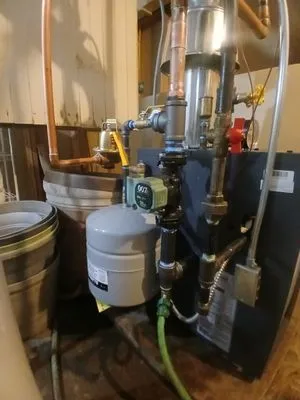
Barth Boiler is a family-owned and operated business serving Hales Corners, WI, with deep roots in boiler and HVAC services. Founded by a third-generation boilermaker with over a decade of specialized...
Feiner Plumbing Company has been a cornerstone of the Racine community since its founding in 1915. As a fifth-generation family-owned business, we've built our reputation on providing reliable and pro...
Estimated Plumbing Costs in Newark, WI
Frequently Asked Questions
How fast can a plumber get to my house in Newark if I call with an emergency?
Heading past Newark Town Hall to access I-90 is the primary route for most service calls in the area. From there, we can reach most homes in the township within 45 to 60 minutes, depending on your specific location off the main corridors. We factor in local conditions and coordinate directly to provide a precise window once dispatched.
What permits are needed for a plumbing job in Rock County, and who handles that?
Most substantial work requires a permit from the Rock County Planning, Economic and Community Development Department. As a master plumber licensed by the Wisconsin Department of Safety and Professional Services, I pull all necessary permits, schedule inspections, and ensure the work meets all state and county code. My job is to handle that red tape so the process is seamless for you.
Could the flat land around my house near Town Hall cause drainage or sewer problems?
The relatively plain terrain means water has less natural runoff, which can saturate the soil around your foundation and main sewer line. This constant moisture puts lateral stress on buried pipes and can lead to settlement or joint separation over time. Ensuring your gutters drain well away from the house and that the soil grade slopes properly is a key defense.
Are there special plumbing considerations for a rural home in Newark with a well and septic?
Absolutely. The entire water and waste system is self-contained. A failing well pump or pressure tank requires specific expertise, and the septic system's leach field health directly impacts your home's drainage. You cannot use municipal sewer treatments; what goes down your drain must be septic-safe. Regular septic pumping and well water testing are non-negotiable maintenance items.
Our house in Newark Town Center was built in the late 70s. What kind of plumbing issues should we expect now?
With the copper plumbing in those homes now 48 years old, you are entering the typical failure window. Many Newark homeowners are seeing pinhole leaks, particularly behind walls or in ceilings, caused by decades of water flow and hard water corrosion. Joints from that era, especially soldered connections, are also becoming points of failure. It is a good time to have a professional pressure test and inspection of your main lines.
Does having a private well with hard water damage my plumbing fixtures?
Yes, the high mineral content from private wells leads to significant scale buildup. This scale will coat the inside of water heaters, drastically reducing efficiency and lifespan, and it will clog aerators on faucets and showerheads. Without a municipal treatment system, it is crucial to have a properly sized and maintained whole-house water softener to protect your appliances and pipes.
What should I do to prepare my plumbing for a Newark winter?
Insulate any pipes in unheated spaces like crawl spaces or garages before temperatures hit 10°F. The critical pro-tip is to disconnect and drain your outdoor hoses in the fall. A frozen hose bib can burst the pipe inside your wall. Also, know the location of your main water shutoff valve in case a pipe does freeze and burst during a rapid spring thaw.
Why are my copper pipes from 1978 suddenly springing leaks?
Copper pipe from that period often suffers from pitting corrosion, which leads to pinhole leaks. This is accelerated by our area's hard water, where mineral scale buildup creates a corrosive environment inside the pipe wall. The solder used at joints can also degrade over nearly five decades, leading to leaks at fittings even if the straight pipe sections appear intact.
