Top Emergency Plumbers in Nasewaupee, WI, 54235 | Compare & Call

There are 66 plumbing companies server in Nasewaupee WI

Badger Drains LLC is a second-generation, family-owned drain cleaning service proudly serving Green Bay, Ashwaubenon, Marinette, and surrounding communities. Founded on a legacy of plumbing expertise,...
K Kelly Inc Heating Cooling & Plumbing
K Kelly Inc Heating Cooling & Plumbing has been a trusted provider in Green Bay and Northeast Wisconsin for over 30 years, offering comprehensive heating, cooling, plumbing, indoor air quality, and ra...

Rapid Rooter Sewer and Drain is a family-owned, owner-operated plumbing service based in Green Bay, Wisconsin. Founded on over 18 years of hands-on industry experience, the company is led by Mike, a s...
Huven Plumbing
Huven Plumbing is a trusted, full-service plumbing company serving Green Bay, WI, and the surrounding areas. We specialize in solving the common plumbing challenges local homeowners face, such as froz...

ASAP Sewer & Drain Cleaning | Green Bay
ASAP Sewer & Drain Cleaning is a family-owned plumbing business serving Howard, Green Bay, and surrounding communities since 1993. Founded by a Green Bay native with generations of plumbing expertise ...

TD Skilled Services is your local Pound, WI, contractor for comprehensive plumbing, remodeling, and new construction. We provide a full spectrum of services, from essential plumbing repairs and water ...

Gomach Plumbing is a trusted, family-run business serving the Fox Valley since 2015. Founded by Oshkosh native Luke, who honed his skills through an apprenticeship at Moraine Park Technical College an...
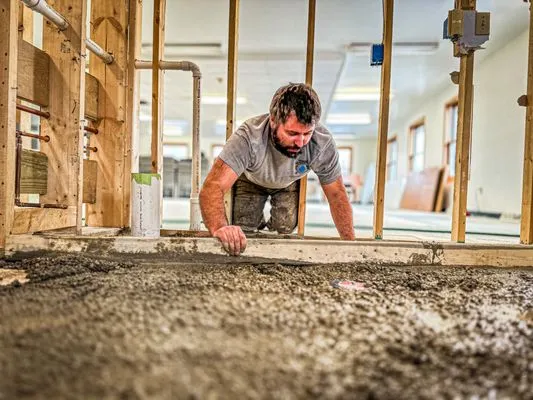
Scour Plumbing Drain and Sewer is a trusted, locally-owned plumbing service established in 2022 to serve Clintonville, WI, and the surrounding area. Our team of licensed and insured plumbers is dedica...
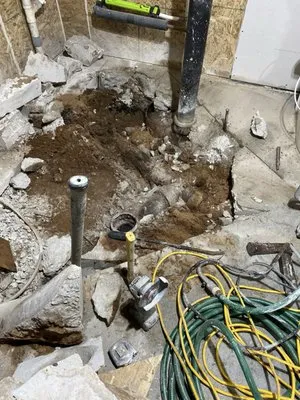
Royal Flush Plumbing Service
Royal Flush Plumbing Service is a family-owned and operated plumbing business serving De Pere, WI, and surrounding counties since 2014. With master plumber Andy bringing over two decades of industry e...

Peterson Custom Solutions is a state-licensed home improvement contractor serving the De Pere and greater Green Bay community. As a locally owned and operated business established in 2022, we bring a ...
Estimated Plumbing Costs in Nasewaupee, WI
Frequently Asked Questions
How quickly can a plumber get to my house in rural Door County for an emergency?
Heading past Potawatomi State Park on State Highway 42 is the primary route into the Nasewaupee and Sawyer areas. From that starting point, a 45 to 60 minute dispatch is standard for an emergency call. We factor in the rural road network and aim to provide a clear arrival window so you're not left waiting without information.
Do I need a permit to replace my water heater or re-pipe my house?
Most substantial plumbing work in Door County requires a permit from the Building and Zoning Department. As a master plumber licensed by the Wisconsin Department of Safety and Professional Services, I pull these permits, schedule the required inspections, and ensure the work meets all code. My job is to handle that red tape so you don't have to navigate it yourself.
What's the best way to prepare my plumbing for Door County winters and spring?
The spring thaw after consistent 10-degree lows is a high-risk period for leaks as pipes contract and then expand. A key pro-tip for our temperate climate is to shut off and drain your exterior hose bibs in the fall, but also to check all exposed interior piping for drafts in your basement or crawlspace before the deep cold sets in. A frozen pipe often reveals itself as a leak during the thaw.
Could the hilly, coastal land around here cause plumbing problems?
The coastal slope, similar to the terrain around Potawatomi State Park, directly impacts drainage and main line stress. Downward slope can increase water velocity and pressure on pipes, while the natural settling of soil on grades can put stress on buried main line connections, leading to misalignment or cracks over time. Proper grading away from your foundation is critical to manage this.
My house in Sawyer has original 1978 copper pipes. Should I be worried?
Original copper plumbing from the late 70s is now about 48 years old. At this stage, the copper itself is often still sound, but the soldered joints are the main failure point. Homeowners throughout Sawyer are seeing an uptick in leaks at these joints due to decades of thermal expansion and contraction. It's a predictable aging process, not a sign of defective work, and proactive inspection of joints in basements and crawlspaces is a prudent step.
Does having a private well with hard water damage my plumbing?
Yes, the scale buildup from hard well water is a constant issue. It aggressively coats the interior of water heaters, reducing efficiency and lifespan, and restricts flow in faucet cartridges and shower valves. Installing and maintaining a quality whole-house water softener is not a luxury here; it's essential protection for your water heater, fixtures, and pipes.
Are there special plumbing considerations for a rural home on a well and septic system?
Absolutely. The entire water and waste system is your responsibility. For the well, pressure tank and switch maintenance is crucial. For the septic system, avoiding chemical drain cleaners that kill the necessary bacteria is key, and you must be vigilant about what goes down the drains. These systems are interconnected, and a problem with one can affect the other.
What's the most common plumbing issue in older homes built around 1978?
For 1978-era copper systems, pinhole leaks from internal corrosion and joint failures are typical. The solder used at joints can degrade or crack after nearly five decades. This often manifests as small, persistent leaks inside walls or at fixture connections, and addressing them usually involves re-soldering or section replacement rather than a full re-pipe.
