Top Emergency Plumbers in Monticello, WI, 53570 | Compare & Call

There are 27 plumbing companies server in Monticello WI

Piping Pro Plumbing
Piping Pro Plumbing, serving Evansville and the surrounding area since 2015, is built on a foundation of deep, practical experience. Owner and master plumber Sean Brown brings a comprehensive backgrou...
Robert's Plumbing & Heating
Robert's Plumbing & Heating is a family-owned and operated plumbing and heating subcontractor serving Madison, WI, and surrounding areas since 2003. Founded by Brad Brickham and his father Robert, the...

Kettle Moraine Heating & Air Conditioning
For over 35 years, Kettle Moraine Heating & Air Conditioning has been the trusted, family-owned choice for Delafield and Southeastern Wisconsin. As a third-generation local business established in 198...

G&G Rooter is a locally owned and operated plumbing service proudly serving Janesville, WI, and surrounding counties like Walworth, Jefferson, and Dane. Founded by a dedicated single father and avid P...
Monona Plumbing & Fire Protection
As President and an owner of Monona Plumbing & Fire Protection, I've had the privilege of leading our Madison-based team since 2006. My journey began with an Accounting degree from UW-Madison in 1995,...
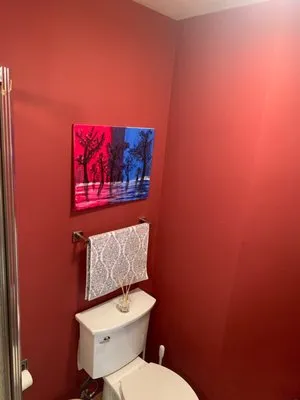
Craig's Painting and Home Improvements is a trusted, locally-owned contractor serving Madison homeowners for years. While known for expert interior and exterior painting, drywall, and staining, Craig'...

The Honest Handyman is a locally owned and operated handyman service serving Madison, Wisconsin, and the surrounding communities. Founded by a Madison family, we specialize in tackling the home repair...

Capitol Plumbing Company
Capitol Plumbing Company is a locally-owned and operated plumbing service in Madison, WI, established in 1998. As a licensed Master Plumber and Plumbing Designer with over 36 years of hands-on experie...
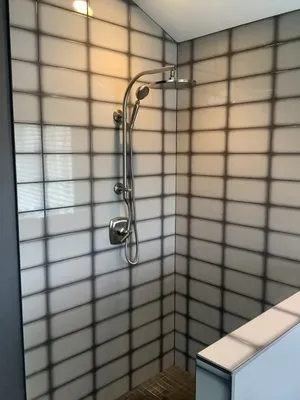
Avid Plumbing
Avid Plumbing is a family-owned and operated plumbing service based in Madison, WI, dedicated to treating every customer like a member of the family. Our priority is your convenience and comfort, whic...

The Country Plumber
The Country Plumber has been Portage's trusted plumbing and septic service provider since 1963, serving South Central Wisconsin with reliable solutions for homes and businesses. We specialize in every...
Estimated Plumbing Costs in Monticello, WI
Question Answers
How do I prepare my plumbing for a Monticello winter?
While our temperate climate has mild averages, overnight lows can still hit 10°F. The main risk period is the spring thaw, not deep winter. A specific pro-tip is to disconnect and drain outdoor hoses by late fall, and ensure your basement sill cocks are fully shut off from inside the house. This prevents a single hard freeze from splitting a pipe and causing a major leak when things warm up.
Could my home's hill cause plumbing problems?
Hilly terrain, like the slopes near the Sugar River State Trail, puts constant stress on the main water line running from the well to your house. The soil can shift with freeze-thaw cycles, potentially straining or cracking pipes. This topography also affects drainage around your foundation, so ensuring proper grading and functional downspout extensions is crucial to avoid water backing up into a basement drain.
What's different about plumbing in rural Monticello?
Rural plumbing here revolves around two private systems: your well and your septic. They must work in balance. A failing pressure tank or well pump can burn out, and overloading the septic system with excessive water from a leak can lead to a costly backup. Maintenance focuses on these components, not city water pressure or sewer line roots.
Why am I suddenly getting rusty water in Monticello?
Your home's galvanized steel plumbing is about 63 years old now, having been installed around 1963. This material has a typical lifespan of 50-60 years. In Downtown Monticello, many homeowners are currently seeing the final stage of corrosion, which presents as pervasive rust-colored water and a significant drop in water pressure. The pipe's interior walls have thinned to the point where sediment breaks loose and flows to your fixtures.
What causes pinhole leaks in older Monticello homes?
Galvanized steel pipes from the early 1960s are prone to pinhole leaks due to internal corrosion. Over six decades, minerals in the water slowly eat away at the zinc coating and then the steel itself, creating weak spots. You'll often find these leaks first at threaded joints or where pipes make contact with other materials, as the corrosion accelerates there.
Who handles permits for a water heater replacement?
Green County Building and Zoning requires permits for water heater and septic work. As a master plumber licensed by the Wisconsin Department of Safety and Professional Services, I pull those permits, schedule the required inspections, and ensure the installation meets all code. My credential means I handle that red tape so you don't have to navigate it yourself.
Does well water damage my water heater?
Yes, the hard water common to private wells in our area accelerates scale buildup inside your water heater's tank and on its heating elements. This insulating layer of mineral deposits forces the unit to work harder, increasing energy costs and shortening its lifespan. An annual flush and a properly sized whole-house water softener are the most effective defenses against this premature failure.
How long does it take for a plumber to get to Monticello?
From our base, we head past the Sugar River State Trail onto State Highway 69, which is the main artery into your area. That route typically takes 45 to 60 minutes. We factor in local traffic and weather on those rural roads to give you a realistic arrival window, and we communicate any delays immediately.
