Top Emergency Plumbers in Marion, WI, 54960 | Compare & Call

There are 238 plumbing companies server in Marion WI

Remedy Plumbing & Heating
Remedy Plumbing & Heating is a full-scale plumbing and heating contractor proudly serving Malone and the broader central and southeast Wisconsin region. Based in the 54935 area, we provide comprehensi...
GEN3 Plumbing
GEN3 Plumbing is a family-owned and operated plumbing contractor serving Sheboygan County and the surrounding area. With 25 years of experience, this third-generation business carries forward a legacy...
Jim's Plumbing
Jim's Plumbing has been a trusted fixture in the Fox Valley since 1967. Founded by Jim Ujazdowski, a plumber trained in Three Lakes, WI, the business began as a one-man operation serving Appleton and ...
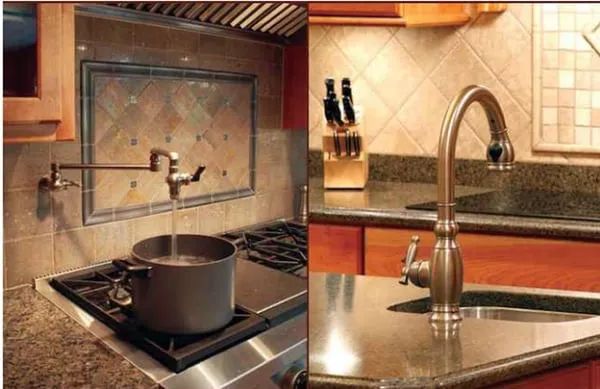
Wilkes Plumbing
Since 1998, Wilkes Plumbing has been the trusted plumbing and HVAC expert for West Bend, WI, and the surrounding Washington and Dodge counties. As a locally owned and operated business, we understand ...

Haucke Plumbing & Heating
Haucke Plumbing & Heating is a family-owned plumbing service based in Plymouth, WI, with deep roots in the community since 1983. Founded by Mike's father, the business transitioned to current ownershi...
Kimme Plumbing Service
Kimme Plumbing Service is a trusted, local plumbing company serving Sheboygan, WI, and the surrounding communities. We specialize in addressing the common plumbing challenges faced by homeowners in ou...
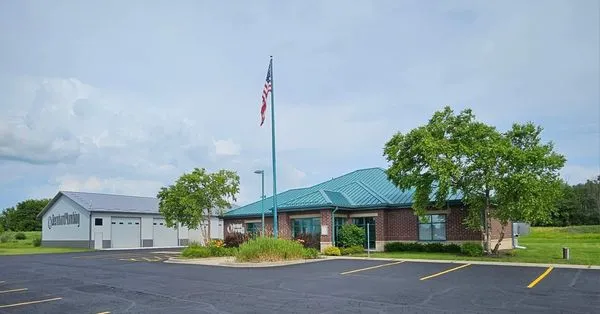
Bernhard Plumbing
Bernhard Plumbing, Inc. has been the trusted plumbing service in Mayville, WI since 1954, proudly serving Mayville, Fond du Lac, and surrounding communities. As a fourth-generation family business, we...
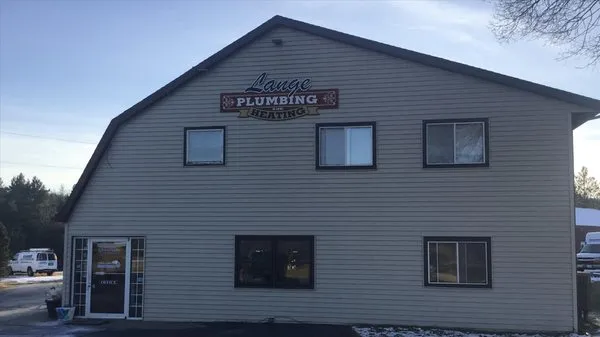
Lange Plumbing
Lange Plumbing has been serving New Lisbon, WI, and the surrounding 30-mile area since 1989, providing reliable plumbing and HVAC solutions for both residential and commercial clients. As an independe...
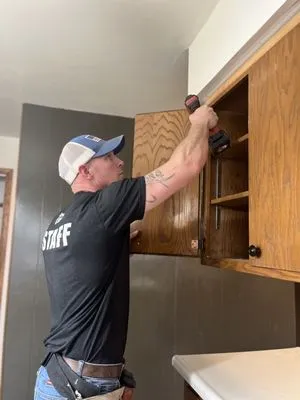
Heitmeier Handyman is your trusted local handyman service in Portage, WI, ready to tackle a wide range of home repair and improvement projects. From appliance installation and furniture assembly to co...
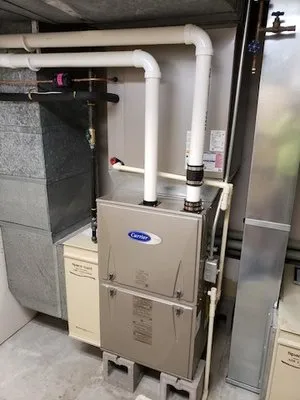
Ash Creek Plumbing, Heating & Electric
Ash Creek Plumbing, Heating & Electric has been a trusted provider of comprehensive home services in Richland Center, WI, and surrounding areas since 2000. Licensed and insured, we specialize in plumb...
Estimated Plumbing Costs in Marion, WI
Question Answers
My Marion home was built in the 1970s. What should I be watching for with my plumbing?
Your copper pipes are now about 55 years old. For homes in Downtown Marion, that age often means pinhole leaks start appearing, especially at soldered joints. The copper walls thin over decades from internal water flow and external soil conditions. You might notice small, persistent damp spots on walls or ceilings, or a slight drop in water pressure that wasn't there last year.
What's one thing I should do before spring to avoid plumbing problems?
Before the spring thaw peaks, disconnect any garden hoses. A hose bib that freezes and thaws can crack the pipe inside your wall, leading to a major leak when you finally turn the outside water on. This simple step is critical in our Snow Belt climate, where overnight lows can still hit 7°F well into March.
How long does it take to get a plumber in Marion?
Heading past Marion Millpond on State Highway 110 is the main route for most service calls here. From our shop, that puts us at your door typically within 45 to 60 minutes, depending on where you are off the highway. We factor in local farm equipment and winter road conditions to give you that realistic window.
Could the hilly land around my house be causing sewer issues?
Hilly terrain, like the slopes near Marion Millpond, puts extra stress on main sewer lines. The constant gravitational pull can strain or misalign joints over time. It also affects drainage around your foundation, so ensuring proper grading and downspout extensions is as important as the pipe itself to prevent backups.
What permits are needed for a water heater replacement in Marion?
The City of Marion Building Inspection requires a permit for water heater replacement, largely to ensure proper venting and pressure relief. As a master plumber licensed by the Wisconsin Department of Safety and Professional Services, I pull those permits, schedule the inspections, and handle the red tape so you don't have to. It's part of the job.
As a rural homeowner with a well and septic, what's my biggest plumbing risk?
The interdependence of your well pump and septic system is the key concern. A failing pressure tank or well switch can cause pump cycling that overwhelms a septic drain field. Conversely, a septic backup can introduce contaminants into your well if the system is compromised. Regular, separate maintenance of both systems is non-negotiable.
Does hard water from a private well damage my water heater?
Yes, significantly. Hard water causes rapid scale buildup inside the tank and on the heating elements. This insulating layer forces the heater to work harder, shortening its lifespan and increasing energy bills. For well owners, installing and maintaining a proper water softener is not just for cleaning; it's essential protection for your water heater and fixtures.
Why do my copper pipes keep springing pinhole leaks?
Copper installed in 1971 is prone to pinhole leaks due to a process called erosion corrosion, accelerated by our hard water. The mineral scale acts like sandpaper inside the pipe over 55 years, wearing thin spots. Failures often cluster on hot water lines and at fittings where turbulence is highest, requiring isolated repiping of those sections.
