Top Emergency Plumbers in Marathon, WI, 54401 | Compare & Call

There are 57 plumbing companies server in Marathon WI

The Water Heater Guys are Marshfield's trusted plumbing specialists, dedicated to solving the common household issues local homeowners face. From persistent bathroom drain clogs to unexpected dishwash...

Anderes Plumbing
Anderes Plumbing is a trusted plumbing service provider based in Brokaw, WI, with over 20 years of experience serving the local community and surrounding areas like Wausau. We specialize in a comprehe...

Ric's Sewer Service is a trusted, family-owned plumbing business that has been serving Wausau and the surrounding communities since 1990. Rooted in local expertise, we provide comprehensive plumbing s...

Southport Home Services
Southport Home Services is a trusted, locally-owned plumbing and HVAC contractor serving Wausau and the surrounding communities. We specialize in comprehensive home services, from routine maintenance ...
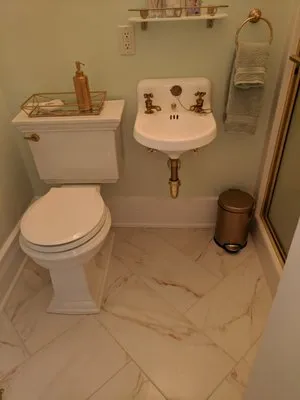
River Valley Plumbing is a second-generation, family-owned plumbing service in Wausau, WI, with nearly two decades of experience. Founded by a Master Plumber who grew up in the North Woods of Wisconsi...
Acro Plumbing is your trusted local plumbing expert serving Wausau, WI, and the surrounding areas. We understand the common challenges Wausau homeowners face, from persistent leaks in old pipes to fru...

Jason, the owner of Jay's Handyman Service, is a veteran serving Central Wisconsin from his base in Plover. He founded his fully insured business to help homeowners manage the often challenging and co...
France Sales & Service Inc has been a trusted plumbing, heating, and electrical provider in the Schofield and greater Wausau area since 1957. Founded by Elmer G. France, the company started with just ...
Mr. Rooter Plumbing of Wausau, locally owned by Mike and Tammy Ellis, brings over 20 years of combined experience to the Wausau area. As part of a national franchise with deep roots, they operate with...

Frasier's Plumbing, Heating, & Cooling
Frasier's Plumbing, Heating, & Cooling is a cornerstone of the Rhinelander community, serving Northern Wisconsin homes since 1918. Now in its fourth generation of family ownership with Phil Frasier at...
Estimated Plumbing Costs in Marathon, WI
Questions and Answers
Why do my older copper pipes keep springing pinhole leaks?
Copper pipes from the 1970s often develop pinhole leaks due to a combination of age and local water chemistry. The solder joints from that era contained more lead, which corrodes differently than modern alloys. Electrolytic corrosion between copper and other metals in your system accelerates at connection points. This creates weak spots that manifest as those frustrating small leaks behind walls or under floors.
Does hard water from the Big Rib River damage my plumbing fixtures?
Water drawn from the Big Rib River carries high mineral content that deposits as scale inside pipes and appliances. Your water heater elements become coated with calcium buildup, reducing efficiency by 20-30% over five years. Faucet aerators clog every few months with white mineral deposits. Installing a whole-house water softener protects your investment and maintains consistent water pressure throughout your home.
What should I do before spring thaw to prevent plumbing problems?
Before temperatures rise above freezing, disconnect garden hoses and shut off exterior faucets from inside your home. Check that your basement sump pump operates properly, as spring thaw sends significant groundwater toward foundations in this snow belt region. Insulate pipes in unheated crawl spaces, since rapid temperature swings from 6°F lows to daytime thaws cause expansion cracks. Keep cabinet doors open overnight to allow warm air circulation around sink plumbing.
Who handles permits for plumbing work in Marathon Village?
I file all necessary permits through the Marathon Village Clerk Office and maintain current credentials with the Wisconsin Department of Safety and Professional Services. This includes pressure tests for new water lines and inspections for sewer tie-ins. Handling the red tape ensures your project meets local codes and won't create issues during future property transfers. You receive completed documentation for your records once inspections pass.
As a rural Marathon homeowner, what unique plumbing systems should I maintain?
Rural properties here typically have private wells and septic systems that require regular attention. Your well pump pressure tank needs annual checks to ensure proper air charge, while septic tanks should be pumped every three to five years depending on household size. Well water filtration systems need cartridge changes every six months due to our hard water. Keep trees at least 20 feet from your septic field to prevent root intrusion into drainage lines.
How quickly can a plumber reach my home near Marathon County Park?
Heading past Marathon County Park on State Highway 29 gets me to most Marathon addresses within 30-45 minutes. I time my routes to avoid the morning school traffic near the park entrance. From there, Highway 29 provides direct access to residential streets without needing secondary roads that might be snow-covered in winter.
Could my home's hillside location be causing drainage issues?
Hilly terrain around Marathon County Park directs surface water toward lower properties during heavy rains. Your main sewer line experiences additional stress from soil shifting on slopes, which can misalign pipe joints over time. Downspouts should extend at least six feet from your foundation to prevent water from pooling near the main line entry point. Consider installing a backwater valve if you're in a runoff path from higher elevations.
My copper pipes are original to my 1974 Marathon home - what should I watch for now?
Copper pipes installed in 1974 are now 52 years old. Homeowners in Marathon City Center often notice small green stains around joints or under sinks, which indicate early corrosion. At this age, the protective lining inside the pipes has worn thin from decades of water flow. You might also hear more water hammer or see reduced pressure in upstairs fixtures as mineral deposits accumulate.
