Top Emergency Plumbers in Maine, WI, 54401 | Compare & Call

There are 82 plumbing companies server in Maine WI

The Water Heater Guys are Marshfield's trusted plumbing specialists, dedicated to solving the common household issues local homeowners face. From persistent bathroom drain clogs to unexpected dishwash...
Anderes Plumbing
Anderes Plumbing is a trusted plumbing service provider based in Brokaw, WI, with over 20 years of experience serving the local community and surrounding areas like Wausau. We specialize in a comprehe...
Ric's Sewer Service is a trusted, family-owned plumbing business that has been serving Wausau and the surrounding communities since 1990. Rooted in local expertise, we provide comprehensive plumbing s...

Southport Home Services
Southport Home Services is a trusted, locally-owned plumbing and HVAC contractor serving Wausau and the surrounding communities. We specialize in comprehensive home services, from routine maintenance ...
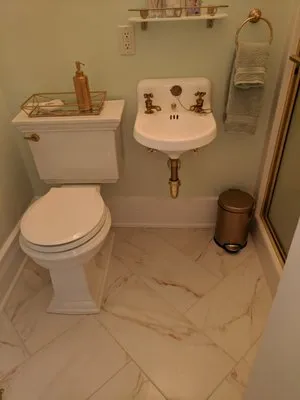
River Valley Plumbing is a second-generation, family-owned plumbing service in Wausau, WI, with nearly two decades of experience. Founded by a Master Plumber who grew up in the North Woods of Wisconsi...
Acro Plumbing is your trusted local plumbing expert serving Wausau, WI, and the surrounding areas. We understand the common challenges Wausau homeowners face, from persistent leaks in old pipes to fru...
Jason, the owner of Jay's Handyman Service, is a veteran serving Central Wisconsin from his base in Plover. He founded his fully insured business to help homeowners manage the often challenging and co...
France Sales & Service Inc has been a trusted plumbing, heating, and electrical provider in the Schofield and greater Wausau area since 1957. Founded by Elmer G. France, the company started with just ...
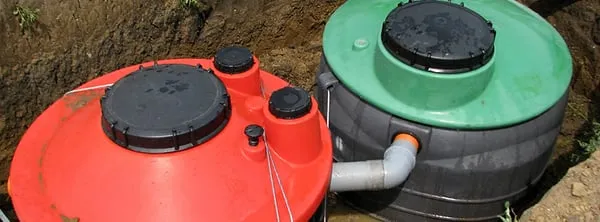
Elite Plumbing Plus is your trusted, local plumbing partner in Weston, WI. As a fully licensed and insured company, we provide comprehensive plumbing solutions for homes and businesses throughout the ...
Mr. Rooter Plumbing of Wausau, locally owned by Mike and Tammy Ellis, brings over 20 years of combined experience to the Wausau area. As part of a national franchise with deep roots, they operate with...
Estimated Plumbing Costs in Maine, WI
Question Answers
Could the flat land around Maine Town Hall affect my main water line?
The plain terrain creates slow drainage during heavy rain or snowmelt, which saturates soil around buried water lines. This constant moisture exposure accelerates corrosion on copper pipes, especially at joints. Over time, ground movement from freeze-thaw cycles can stress connections, leading to leaks. Proper grading away from your foundation helps divert water and reduces pressure on underground plumbing.
Why do my 1980s copper pipes keep springing pinhole leaks?
Copper pipes installed around 1984 often develop pinhole leaks due to a combination of age and water chemistry. The solder joints from that era contain higher lead content, which accelerates galvanic corrosion where pipes connect. You'll typically find these leaks near elbows or tees where water turbulence wears away the copper. Replacing affected sections with modern fittings prevents recurring issues.
Who handles permits for plumbing work with the Town of Maine?
We manage all required permits through the Town of Maine Building Department and maintain Wisconsin Department of Safety and Professional Services licensing. This includes pressure tests, inspections, and documentation for well or septic modifications. Handling the red tape ensures your project meets local codes and protects your property value. You receive completed paperwork without navigating bureaucratic processes yourself.
How quickly can a plumber reach my home in Maine?
Heading past Maine Town Hall on US-51, our dispatch route covers most of the area within 45-60 minutes. We monitor traffic patterns and weather conditions to maintain that response window. For emergencies during spring thaw or heavy snow, we adjust routes to avoid known drainage issues along the plain. This ensures we reach your property with the right tools for the job.
Does hard water from my private well damage plumbing fixtures?
Hard water causes scale buildup that reduces efficiency and lifespan of water heaters and fixtures. Mineral deposits insulate heating elements, forcing your water heater to work harder and use more energy. On faucets and showerheads, scale restricts flow and degrades rubber seals. Installing a whole-house water softener protects your plumbing investment and maintains consistent water pressure.
How does having a private well and septic system change plumbing maintenance?
Private wells require regular testing for mineral content that affects pipe longevity. Septic systems need careful water usage management to avoid overloading the drain field. Unlike municipal systems, you're responsible for both water supply and wastewater disposal, so balanced usage prevents backups. Scheduling annual inspections of well equipment and septic lines catches small issues before they become expensive repairs.
My copper pipes were installed around 1984 - what should I expect at this age?
Copper plumbing from 1984 is now 42 years old, which is when internal corrosion often becomes visible. Homeowners in Town Center are reporting blue-green stains around fixtures, reduced water pressure, and small leaks appearing in basements or crawlspaces. This happens because the protective oxide layer inside the pipes has worn thin over decades of use. Regular inspections can catch these issues before they turn into major water damage.
What should I do to prepare my plumbing for Maine's cold winters?
Insulate exposed pipes in unheated spaces before temperatures hit 5°F. Keep cabinet doors open to allow warm air to circulate around plumbing during extreme cold snaps. Before spring thaw, clear snow away from foundation vents and exterior faucets to prevent ice dam backups. These steps reduce the risk of frozen pipes that burst when temperatures rise rapidly.
