Top Emergency Plumbers in Kinnickinnic, WI, 54016 | Compare & Call

There are 53 plumbing companies server in Kinnickinnic WI
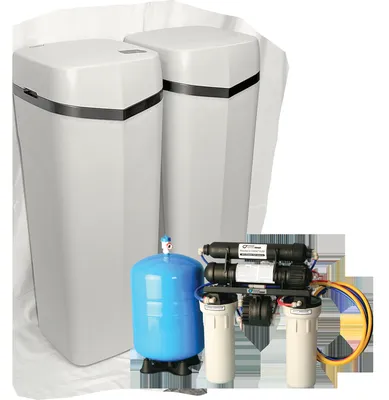
Northern Plumbing & Softening
Northern Plumbing & Softening is a trusted, family-operated plumbing and water treatment company that has been serving the Minneapolis and St. Paul metro area for over 50 years. Our team of licensed, ...
Benjamin Franklin Plumbing in Hastings, MN is your trusted local plumbing expert, dedicated to keeping homes and businesses running smoothly. We understand that many Hastings residents face common plu...
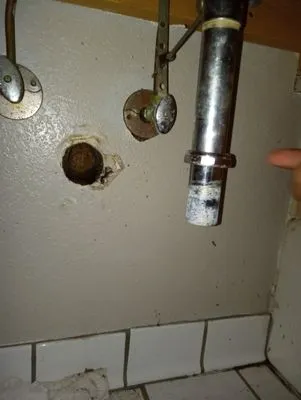
Vazquez Plumber is a Saint Paul-based plumbing service founded on a passion for finding real solutions for homeowners. We believe in honest communication, fair negotiation on project budgets, and doin...
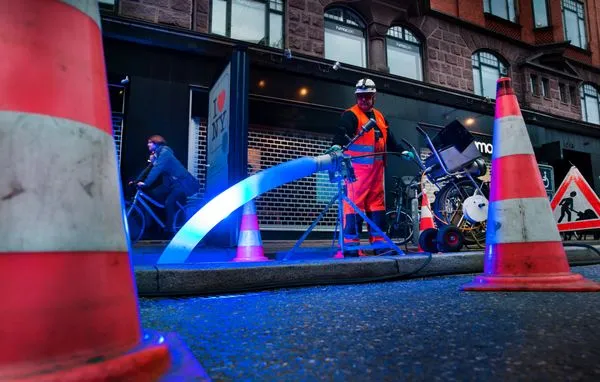
Truly Trenchless Sewer Solutions is a Cambridge-based plumbing and sewer specialist dedicated to solving local pipe problems with minimal disruption. We focus on trenchless sewer repair and lining, wh...
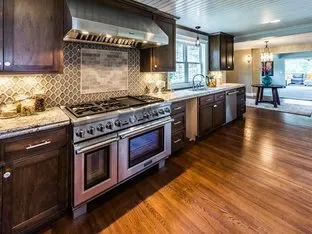
Hibernian Plumbing
Hibernian Plumbing has been serving Plymouth, MN, and the surrounding communities since 1999, bringing decades of technical expertise to every job. We specialize in a comprehensive range of plumbing s...
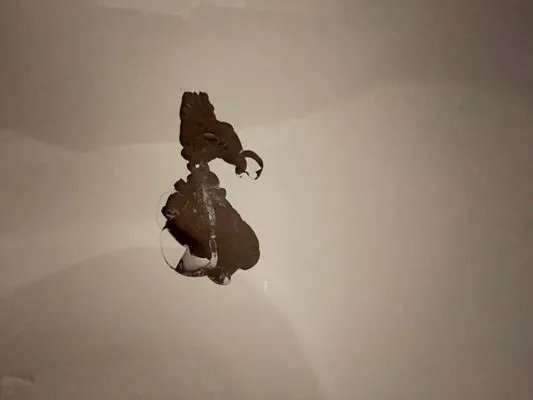
Solutions Tub & Mechanical
Solutions Tub & Mechanical is a factory-certified plumbing and mechanical service provider serving Stillwater, MN, and surrounding areas since 2008. Specializing in tub, shower, whirlpool, and spa rep...
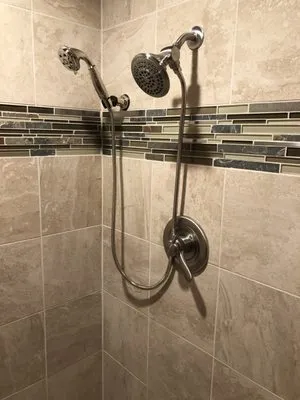
True Service Plumbing is a family-run plumbing business serving Wyoming, MN, and surrounding areas since 2015. Founded by Master Plumber Mark Schwaab and his wife Kay, we specialize in residential plu...
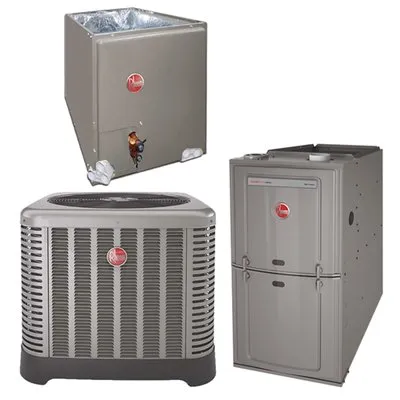
Valley Plumbing Heating And Air is a trusted, full-service provider for homeowners in Lakeland, MN, and surrounding communities. We specialize in the complete spectrum of plumbing, heating, and air co...
Plumbing Restoration and Services
Plumbing Restoration and Services LLC is a licensed plumbing contractor serving Saint Paul, MN, and the surrounding Twin Cities area since 2009. Founded by Allen, who started as a one-person operation...
Affordable Plumbing Solutions is your trusted local plumbing company in Princeton, MN, built on a foundation of expert workmanship and honest pricing. We understand the unique plumbing challenges face...
Estimated Plumbing Costs in Kinnickinnic, WI
FAQs
What's one thing I should do every spring to avoid a plumbing disaster?
After the last freeze, usually by late April, proactively check all exterior hose bibs and the pressure relief valve on your water heater. The spring thaw shift from our 6-degree lows to milder temperatures can expose leaks from winter contraction. Also, listen for running water in toilets, as thawing ground can shift supply lines. Catching a dripping bib or a weeping valve early prevents water waste and foundation issues during the wet season.
Are plumbing issues different for rural homes versus town homes here?
They are. Rural homes on private wells and septic systems have two independent, critical systems to maintain. A pressure issue usually traces back to the well pump or pressure tank, not the municipal supply. Septic system health directly impacts what can go down your drains. In contrast, homes on municipal water deal with consistent pressure but may have different concerns about water quality or meter-side leaks. Knowing your system's source and endpoint is the first step in troubleshooting.
I need to replace my well pump. Do I need a permit from the county?
Yes, well work in St. Croix County typically requires a permit from the Planning, Zoning and Conservation Department. As a master plumber licensed by the Wisconsin Department of Safety and Professional Services, I handle that red tape for you. The process ensures the new installation meets current codes for safety and environmental protection, which is crucial for groundwater quality. You won't need to navigate the county office yourself; I submit the paperwork and schedule the required inspections.
My copper pipes are making a ticking noise and I have a small leak. What's happening?
The ticking is often thermal expansion in aging copper, but a leak points to a specific failure. At 38 years, pinhole leaks from internal corrosion or joint calcification are common. Hard water accelerates this by depositing scale that creates uneven pressure points inside the pipe. The leak you see is usually the endpoint; the internal corrosion causing it has been progressing for years. This requires cutting out the failed section and installing a new coupling.
How long will it take for a plumber to get to me out here?
From my shop, a typical dispatch route heads past Kinnickinnic River State Park to access I-94, which brings me right into the township. Barring major road closures, that's a consistent 45 to 60 minute drive. I plan for that transit time on every call, so you get an accurate arrival window. This route is reliable whether I'm coming from a job in the park or heading out from the interstate.
Does having a private well make my water heater fail faster?
It can, due to hard water and mineral content. Well water brings untreated minerals directly into your home, which form scale buildup inside the water heater's tank and on its heating elements. This insulating layer forces the heater to work harder, increasing energy costs and shortening its lifespan. An annual flush of the tank and inspecting the anode rod are critical maintenance steps for any home on a private well around Kinnickinnic.
Is it true that houses built in the late 80s around here are having plumbing problems now?
Yes, that's correct. Copper piping installed around 1988 is now 38 years old. In River Falls Rural, homeowners are seeing the first significant wave of pinhole leaks and joint failures as the pipe walls thin from decades of water flow. This age is a critical point where the original installation's lifespan is tested, especially given our area's water chemistry. It's not unusual to find small, persistent leaks behind walls or in basements that have developed over the last few winters.
Could the hilly land near the Kinnickinnic River be causing my drainage issues?
Absolutely. Hilly terrain puts constant, uneven stress on the main sewer line running from your house to the septic tank or municipal connection. Gravity works harder on slopes, which can lead to bellies or sags in the pipe where waste collects. Soil erosion from seasonal runoff near the river park can also expose or undermine buried lines. If you notice slow drains consistently in a lower part of the home, the slope is often a contributing factor.
