Top Emergency Plumbers in Jamestown, WI, 53807 | Compare & Call

There are 237 plumbing companies server in Jamestown WI
Colony Plumbing, Heating & Air Conditioning
Colony Plumbing, Heating & Air Conditioning has been serving Cedar Rapids and surrounding communities since 1973, starting as a small two-man shop in the Amana Colonies before settling in Cedar Rapids...
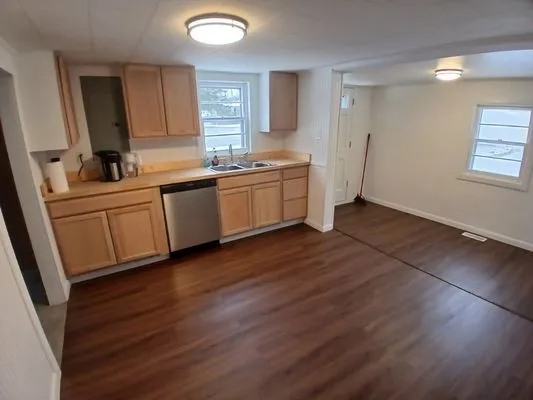
Ole Geezers Handyman Service
Ole Geezers Handyman Service is a Cedar Rapids-based business owned and operated by a US Army Veteran with over 25 years of experience in construction trades, civil engineering, and mechanics. While n...
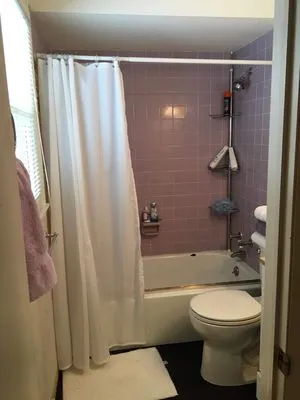
Affordable Plumbing And Remodeling
Affordable Plumbing And Remodeling is a family-owned plumbing and remodeling service based in Cedar Rapids, IA, with over 27 years of experience. They offer a comprehensive range of plumbing solutions...
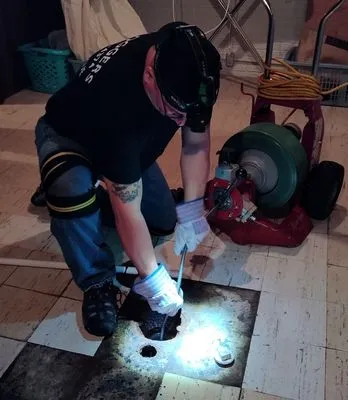
For over 47 years, Uncloggers To The Rescue has been the trusted local plumbing service for Cedar Rapids residents and businesses. We specialize in clearing stubborn sewer line and drain clogs, with a...
Complete Home Maintenance
Complete Home Maintenance, LLC is a second-generation family business serving Cedar Rapids, IA, with over 30 years of hands-on experience in home maintenance and construction. We provide comprehensive...

Johnson Plumbing Service
Johnson Plumbing Service has been the trusted plumbing expert for Cedar Rapids homes and businesses for over two decades. As a licensed and locally-owned company, we specialize in both comprehensive r...
JP Plumbing & Heating
JP Plumbing & Heating has been a trusted, family-owned provider in Marion, IA, since 2009. We are Master Plumber and Master HVAC certified, holding an A+ BBB rating. We offer comprehensive plumbing, h...
Phil’s Sewer and Drain Cleaning
Phil's Sewer and Drain Cleaning provides comprehensive plumbing and drain services for Amana and the surrounding area. With a combined 10 years of experience in the trades, I handle both residential a...

Cedar Rapids Plumbing, Heating & Cooling
Serving the Cedar Rapids community since 1953, Cedar Rapids Plumbing, Heating & Cooling is a locally owned and operated company with deep roots in Eastern Iowa. Founded as a family business, we have e...

Master Plumbing, Heating, & Cooling
Master Plumbing, Heating & Cooling has been serving Cedar Rapids and surrounding communities since 1986, founded by Dave, a U.S. Navy Seabees veteran who served in Vietnam. After returning home and ea...
Estimated Plumbing Costs in Jamestown, WI
Questions and Answers
What should I do to my plumbing before the spring thaw?
Before the spring thaw hits, make sure any exposed pipes in unheated crawl spaces or outbuildings are properly insulated. When overnight lows still hit 10°F but daytime temps rise, that freeze-thaw cycle is when pipes are most likely to burst. A pro-tip is to check that your well house or pressure tank enclosure hasn't lost its heat tape or insulation over the winter.
Are there special plumbing considerations for a rural home like mine?
Rural plumbing here revolves around your private well and septic system. They are interconnected; a failing pressure switch or pump can affect water volume, while a clogged drainfield can back up into the home. Maintenance is different than in town—you're responsible for the entire system from the aquifer up to your faucet and back down to the soil.
My home was built in the 70s. Should I be worried about my plumbing?
Homes built around 1974 in Jamestown Center have copper pipes that are now over 50 years old. At this age, the interior wall of the pipe can thin significantly. What you'll start noticing are small, persistent leaks, often behind walls or under cabinets, that seem to appear from nowhere. This is the typical failure mode for copper of this vintage in our area.
Who handles the permits for a water heater replacement out here?
Permits for major work like water heater replacements or well modifications go through the Grant County Planning and Zoning Department. As a master plumber licensed by the Wisconsin Department of Safety and Professional Services, I pull those permits and ensure the work meets code. My crew handles the red tape so you don't have to navigate the county offices yourself.
Does hard water from a private well damage my water heater?
Yes, hard water from a private well accelerates scale buildup inside your water heater's tank and on its heating elements. That insulating layer of scale forces the unit to work harder, increasing energy bills and shortening its lifespan. You'll also see reduced hot water flow at fixtures over time as the scale restricts pipes and valve openings.
How long does it take a plumber to get to Jamestown?
From our shop, a dispatch heads past Grant County Fairgrounds onto US-151 to reach most Jamestown addresses. That route typically takes about 45 to 60 minutes under normal conditions. We factor in that travel time when we give you an estimated window, so you're not waiting around wondering.
Could the hilly land around here cause plumbing problems?
The hilly terrain around Grant County, especially on slopes, puts extra stress on the main water line coming from your well to the house. That constant gravitational pull can strain fittings and lead to slow leaks at the entry point. It also affects drainage; water naturally wants to run downhill, which can saturate the soil around your foundation and septic field if not managed.
Why do I keep getting pinhole leaks in my copper pipes?
Copper pipes installed in 1974 are susceptible to pinhole leaks due to a combination of age and the mineral content in our local well water. Over five decades, the water's chemistry can cause localized corrosion, wearing a tiny hole completely through the pipe wall. It's not a matter of water pressure; it's the material slowly failing from the inside out.
