Top Emergency Plumbers in Grover, WI, 54112 | Compare & Call

There are 60 plumbing companies server in Grover WI

Badger Drains LLC is a second-generation, family-owned drain cleaning service proudly serving Green Bay, Ashwaubenon, Marinette, and surrounding communities. Founded on a legacy of plumbing expertise,...

K Kelly Inc Heating Cooling & Plumbing
K Kelly Inc Heating Cooling & Plumbing has been a trusted provider in Green Bay and Northeast Wisconsin for over 30 years, offering comprehensive heating, cooling, plumbing, indoor air quality, and ra...

Rapid Rooter Sewer and Drain is a family-owned, owner-operated plumbing service based in Green Bay, Wisconsin. Founded on over 18 years of hands-on industry experience, the company is led by Mike, a s...

ASAP Sewer & Drain Cleaning | Green Bay
ASAP Sewer & Drain Cleaning is a family-owned plumbing business serving Howard, Green Bay, and surrounding communities since 1993. Founded by a Green Bay native with generations of plumbing expertise ...

TD Skilled Services is your local Pound, WI, contractor for comprehensive plumbing, remodeling, and new construction. We provide a full spectrum of services, from essential plumbing repairs and water ...

Gomach Plumbing is a trusted, family-run business serving the Fox Valley since 2015. Founded by Oshkosh native Luke, who honed his skills through an apprenticeship at Moraine Park Technical College an...
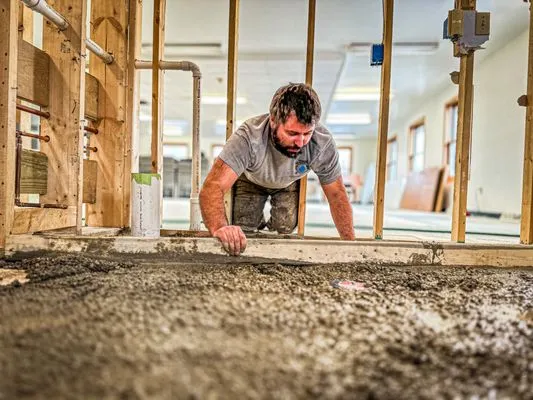
Scour Plumbing Drain and Sewer is a trusted, locally-owned plumbing service established in 2022 to serve Clintonville, WI, and the surrounding area. Our team of licensed and insured plumbers is dedica...
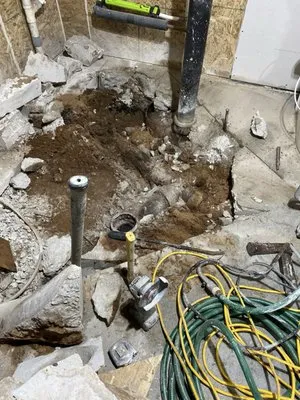
Royal Flush Plumbing Service
Royal Flush Plumbing Service is a family-owned and operated plumbing business serving De Pere, WI, and surrounding counties since 2014. With master plumber Andy bringing over two decades of industry e...
United Plumbing & Heating Sales & Service
For over 50 years, United Plumbing & Heating Sales & Service has been the trusted, family-owned plumbing resource for Oconto Falls and surrounding communities. Founded in 1974, we provide reliable res...

Peterson Custom Solutions is a state-licensed home improvement contractor serving the De Pere and greater Green Bay community. As a locally owned and operated business established in 2022, we bring a ...
Estimated Plumbing Costs in Grover, WI
FAQs
Does having a private well with hard water damage my plumbing?
Yes, the mineral-heavy water from private wells in our area causes significant scale buildup. Inside a water heater, this scale acts as an insulator, forcing the unit to work harder and fail prematurely. On fixtures and appliance valves, the scaling can restrict flow and prevent shut-off valves from sealing completely. A quality water softener is not just for cleaning; it is essential protection for your home's mechanical systems.
How quickly can a plumber get to my house in Grover?
From a central dispatch point near the Peshtigo River, the route typically involves heading onto US-41 northbound. Traffic is usually light, so the 45-60 minute window accounts for navigating local roads and driveways off the main highway. In winter, that time can extend slightly depending on recent plowing activity along the county roads.
What is the most important winter plumbing tip for the Grover snow belt?
Before temperatures hit the annual low near 8°F, disconnect and drain your outdoor garden hoses. An attached hose traps water in the faucet's interior valve, which will freeze and split the pipe inside your wall. This simple, five-minute task prevents the most common and expensive freeze-related leak we see each winter. Insulating exposed pipes in crawl spaces is your next priority.
Could the flat land near the Peshtigo River cause drain problems?
The relatively plain terrain means drainage relies on proper slope in your buried pipes. If the soil settles or the initial installation grade was slightly off, waste water cannot flow away by gravity. This leads to chronic slow drains and eventual blockages in the main sewer line. It also means any leak in the underground water service line can go unnoticed longer, saturating the soil around your foundation.
Do I need a permit to replace my water heater in Marinette County?
Yes, Marinette County Zoning Department requires a permit for water heater replacement, and the work must comply with Wisconsin DSPS codes. As a master plumber licensed by the state, I pull that permit, schedule the county inspection, and handle all documentation. My credential number is on the permit, which is your assurance the installation is legal and insurable. You do not have to navigate that red tape yourself.
My copper pipes in Grover are from the 1970s. What should I expect?
Copper plumbing installed in 1974 is now 52 years old. In homes around Grover Center, that age means you are likely to see an increase in pinhole leaks and corrosion at soldered joints. The protective mineral layer inside the pipes can break down, leading to small, persistent drips that are often hidden inside walls. It is a common point in the lifespan where proactive inspection can prevent a major water damage event.
Are there special plumbing concerns for a rural home like mine?
Rural plumbing here revolves around your private well and septic system. The well's pressure tank and switch require regular service to prevent pump burnout. For the septic system, the drain field's health is paramount; avoiding garbage disposals and chemical cleaners is crucial. There is no municipal backup, so maintenance of these two systems is your responsibility to avoid a complete home shutdown.
Why do my copper pipes keep springing pinhole leaks?
Copper pipe from the early 1970s is susceptible to a form of corrosion accelerated by our local water chemistry. Over five decades, the internal pipe wall can thin in specific spots, creating pinholes. This is not a sign of poor initial installation, but a predictable failure mode for the material at this age. The fix often involves repiping the affected section rather than repeated spot repairs.
