Top Emergency Plumbers in Greenbush, WI, 53023 | Compare & Call

There are 18 plumbing companies server in Greenbush WI
GEN3 Plumbing
GEN3 Plumbing is a family-owned and operated plumbing contractor serving Sheboygan County and the surrounding area. With 25 years of experience, this third-generation business carries forward a legacy...
Wilkes Plumbing
Since 1998, Wilkes Plumbing has been the trusted plumbing and HVAC expert for West Bend, WI, and the surrounding Washington and Dodge counties. As a locally owned and operated business, we understand ...

Able Distributing Company
Able Distributing Company is a plumbing wholesale supplier serving contractors and mechanicals across southeastern Wisconsin. Established locally in 1966 and operating from its West Allis location sin...

Haucke Plumbing & Heating
Haucke Plumbing & Heating is a family-owned plumbing service based in Plymouth, WI, with deep roots in the community since 1983. Founded by Mike's father, the business transitioned to current ownershi...
Kimme Plumbing Service
Kimme Plumbing Service is a trusted, local plumbing company serving Sheboygan, WI, and the surrounding communities. We specialize in addressing the common plumbing challenges faced by homeowners in ou...

Action Sewer & Pump Service has been providing reliable plumbing solutions to West Bend, WI, for over 30 years. As a licensed and experienced local business, we specialize in drain repair, garbage dis...

Gomach Plumbing is a trusted, family-run business serving the Fox Valley since 2015. Founded by Oshkosh native Luke, who honed his skills through an apprenticeship at Moraine Park Technical College an...
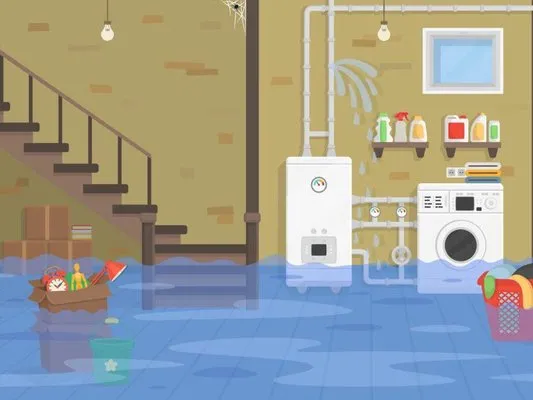
ASAP Sewer & Drain Cleaning is a family-owned plumbing service in Neenah, WI, built on three generations of local experience. I'm a Green Bay native who started working with my father in 1995 and esta...

Flush Drain & Sewer Cleaning has been a trusted, family-run business serving the Fox Cities since 1980, now under second-generation ownership. Our focus is on taking the extra step to ensure complete ...
Reeke-Marold Co
Reeke-Marold Co is a trusted, full-service plumbing, HVAC, and gas line contractor serving Green Bay and the surrounding area. For local homeowners dealing with common issues like basement flooding fr...
Estimated Plumbing Costs in Greenbush, WI
Question Answers
Could the hilly terrain around Old Wade House affect my home's drainage?
Hilly terrain creates drainage challenges throughout Greenbush. Water naturally follows gravity down slopes, potentially overwhelming drainage systems during heavy rain or rapid snowmelt. This runoff can expose or stress main sewer lines running along hillsides. Soil erosion around foundations may shift pipe alignment over time, creating stress points at connections. Proper grading around your home directs water away from the foundation, protecting both your basement and underground plumbing.
What permits or approvals do I need for plumbing work in Sheboygan County?
Sheboygan County Planning and Conservation Department oversees well and septic system modifications, while the Wisconsin Department of Safety and Professional Services regulates plumbing installations and repairs. Most plumbing projects require permits and inspections to ensure compliance with state and county codes. As a licensed master plumber, I handle the permit applications and coordinate inspections, managing the regulatory requirements so homeowners can focus on their project outcomes rather than bureaucratic details.
Are there special considerations for plumbing in rural Greenbush compared to cities?
Rural Greenbush properties rely on private wells and septic systems rather than municipal water and sewer. Well pumps require regular maintenance to ensure consistent water pressure and prevent sediment from entering household plumbing. Septic systems need periodic pumping every 3-5 years to prevent backups into drains. These systems operate independently, so problems affect only your property rather than the broader community, making preventive maintenance particularly important.
Does Greenbush's hard well water damage my plumbing fixtures?
Private wells in Greenbush typically produce hard water with high mineral content, primarily calcium and magnesium. These minerals precipitate out as scale that accumulates inside water heaters, reducing efficiency by up to 30% over time. Fixtures develop crusty deposits around aerators and showerheads, restricting flow. Scale buildup also insulates heating elements in water heaters, forcing them to work harder and shortening their lifespan.
Why do my old galvanized pipes keep springing pinhole leaks?
Galvanized steel pipes from 1938-era installations develop pinhole leaks through a process called tuberculation. Mineral deposits and corrosion products build up unevenly inside the pipe, creating weak spots where the metal thins. These weak points eventually fail under normal water pressure, starting as tiny leaks that gradually enlarge. Joint calcification compounds the problem as mineral buildup stresses connections between pipe sections.
How quickly can a plumber reach my home in Greenbush during an emergency?
Heading past Old Wade House State Historic Site on State Highway 23 gets me into the Greenbush area efficiently. From there, local roads connect to residential properties throughout the community. Most emergency calls from Greenbush Village Center or surrounding areas receive a response within 45-60 minutes during business hours. This routing avoids unnecessary detours while respecting the rural character of the landscape.
My house in Greenbush Village Center has original plumbing from 1938 - should I be worried about the pipes?
Galvanized steel pipes installed around 1938 are now 88 years old, well beyond their 50-year expected lifespan. Homeowners in Greenbush Village Center are seeing reduced water pressure, rust-colored water, and frequent leaks as the interior walls of these pipes corrode and narrow. The zinc coating that protects the steel has long since worn away, leaving bare iron vulnerable to oxidation. This corrosion process accelerates with age, creating a ticking clock for complete pipe failure.
What should I do to prepare my plumbing for Greenbush's cold winters?
Greenbush sits in a snow belt where temperatures regularly drop to 10°F, creating freeze risks for exposed pipes. Insulate pipes in unheated spaces like crawl spaces and garages before the first hard freeze. Keep cabinet doors open during cold snaps to allow warm air to circulate around pipes. During spring thaw, check for leaks as frozen pipes thaw and expand, potentially cracking at weak points. These simple measures prevent most winter plumbing emergencies.
