Top Emergency Plumbers in Glendale, WI, 53209 | Compare & Call

There are 140 plumbing companies server in Glendale WI
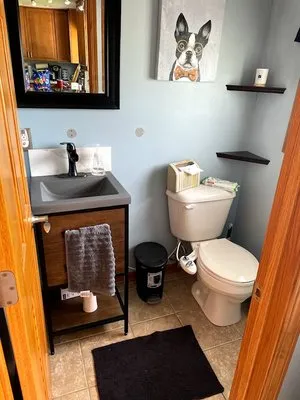
Faust Co is a licensed and bonded plumbing company serving Milwaukee, WI, with over 125 years of experience as a family-owned business since 1898. As the oldest union contractor in the area, they spec...

Heritage Plumbing is a family-owned and operated plumbing company serving South Milwaukee and the surrounding areas. We specialize in both residential and commercial plumbing services, offering repair...
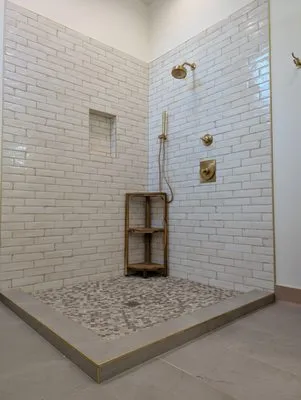
Optimal Plumbing is your trusted local plumbing specialist serving West Milwaukee, WI. We are a small, dedicated team focused on providing clear communication and reliable work for every job, from sim...
ABC Sewer & Drain Cleaning is a locally owned and operated Milwaukee plumbing company with over three decades of experience serving the community. We understand how disruptive a clogged drain or sewer...

Viking Plumbing
Viking Plumbing has been the trusted plumbing service for Oak Creek and the broader Milwaukee area since its founding in 2000. We are a local, licensed operation built on a Master Plumber's genuine pa...
Axis Mechanical is a locally owned and operated plumbing service in Milwaukee, built on a foundation of local expertise and a commitment to reliable craftsmanship. Owner-operated by a licensed plumber...
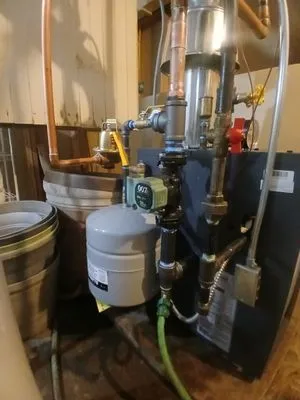
Barth Boiler is a family-owned and operated business serving Hales Corners, WI, with deep roots in boiler and HVAC services. Founded by a third-generation boilermaker with over a decade of specialized...
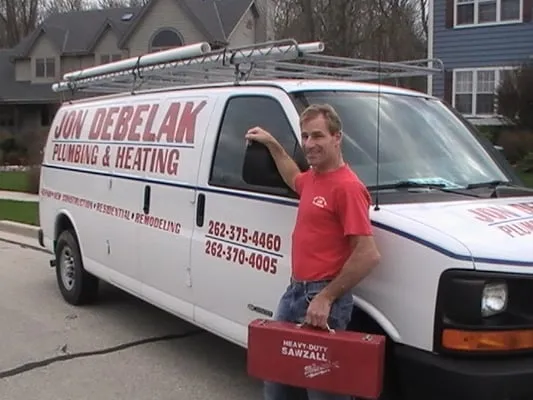
Debelak, Jon Plumbing & Heating is a Sussex-rooted, family-operated plumbing and heating business with a legacy dating back to 1994. Founded by Jon DeBelak, the company represents a third generation o...

Like Nu Enterprise began as a part-time passion for home projects in 2007, evolving into a dedicated full-time service in 2014. Based in West Milwaukee, we bring a combined 24 years of hands-on experi...

Bullseye Sewer & Drain is your trusted local plumbing expert serving Milwaukee, WI. We specialize in targeted solutions for common area problems like stubborn kitchen grease clogs that lead to slow dr...
Estimated Plumbing Costs in Glendale, WI
Question Answers
Could the flat land around here be causing my slow drains?
Glendale's relatively plain terrain, like the areas around Kletzsch Park, means municipal sewer lines have less natural gravitational flow. For your home's private sewer lateral, a lack of slope can allow waste and sediment to settle instead of being carried away, leading to frequent clogs. It also means that a blockage in the city's main line can more easily back up into nearby homes. We often recommend more frequent drain cleaning and consider installing a backwater valve as a precaution.
Do I need a permit to replace my water heater or repipe my house?
Yes, Glendale requires permits for water heater replacements and full repipes. The Glendale Building Inspection Department ensures the work meets current code for safety and performance. As a licensed Master Plumber, I'm credentialed with the Wisconsin Department of Safety and Professional Services. I handle pulling the permit, scheduling the inspections, and navigating the red tape so you don't have to. This protects your investment and ensures the work is documented for future homeowners.
As a suburban homeowner, what part of my plumbing needs the most attention?
Your sewer lateral—the pipe running from your house to the city main—is your responsibility. In Glendale's suburban setting, tree roots are the primary threat, seeking moisture and infiltrating pipe joints. Even a small crack can allow roots to grow inside and cause a complete blockage. We see this year-round, but it's especially problematic after heavy spring rains when saturated soil pushes roots to expand. A video camera inspection can show the condition of your lateral without any digging.
How fast can a plumber get to my house in Glendale during an emergency?
Heading past Kletzsch Park on I-43 gives us direct access to most Glendale neighborhoods. From there, a typical dispatch route puts us at your door in 20 to 30 minutes. We keep trucks staged to cover the area, so even during a spring thaw when calls spike, you can count on a prompt response. The goal is to have a technician assessing the problem before a minor leak becomes major water damage.
What's the most common plumbing failure in a 1960s Glendale home?
Galvanized steel pipes from 1964 fail in two primary ways. First, internal corrosion leads to pinhole leaks, often hidden inside walls. Second, the threaded joints, sealed with pipe dope and thread tape 60 years ago, lose their seal due to rust and thermal cycling. This causes leaks at fixture shut-offs and union fittings. Replacing a section often reveals the next weakest link, which is why a full repipe is a common recommendation for homes of this vintage.
My house was built around 1964. Should I be worried about my plumbing?
Homes built in 1964 used galvanized steel pipes, which are now 62 years old in 2026. This material corrodes from the inside out, so you may not see a problem until a leak appears. In Bayshore and throughout Glendale, homeowners with original plumbing from this era are starting to see frequent pinhole leaks, reduced water pressure from internal rust, and joint failures. It's not an immediate emergency for every home, but it's a predictable lifespan issue you should plan for.
What's one thing I should do before spring to avoid a plumbing disaster?
Before the spring thaw, disconnect your garden hoses and ensure your exterior hose bibs are fully drained. Water left in the hose or the pipe behind the wall can freeze during a cold snap, even with our average low of 13°F. That ice expands and can crack the pipe or the valve body, leading to a leak inside your wall when you turn the water back on. It's a simple five-minute task that prevents a very costly repair.
Does Lake Michigan water cause problems for my water heater?
Yes, the hard water from Lake Michigan leads to significant scale buildup. Inside your water heater, minerals precipitate out and form a dense layer of sediment at the bottom of the tank. This sediment insulates the heating elements, forcing them to work harder and shortening the appliance's lifespan. It also reduces the tank's capacity and efficiency. Installing a water softener or scheduling regular tank flushing can mitigate this, but the scale is a constant factor for all hardware.
