Top Emergency Plumbers in Fontana on Geneva Lake, WI, 53125 | Compare & Call

Fontana On Geneva Lake Emergency Plumbers
Phone : (888) 860-0649
There are 227 plumbing companies server in Fontana On Geneva Lake WI
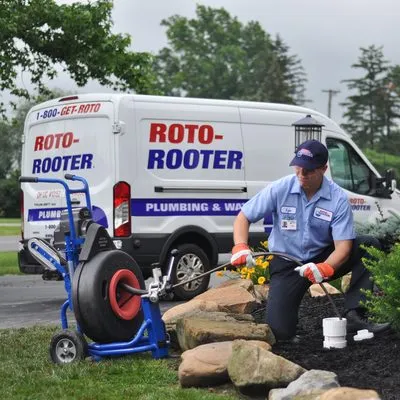
Roto-Rooter Plumbing & Water Cleanup
Roto-Rooter Plumbing & Water Cleanup is a trusted, locally-operated service in Kenosha, Wisconsin. We are fully staffed and ready to help our neighbors 24 hours a day, 7 days a week, with no extra cha...

Piping Pro Plumbing
Piping Pro Plumbing, serving Evansville and the surrounding area since 2015, is built on a foundation of deep, practical experience. Owner and master plumber Sean Brown brings a comprehensive backgrou...

JC Plumbing & Heating
JC Plumbing & Heating is your trusted local plumbing expert serving Elkhorn, WI, and the surrounding areas. We specialize in a comprehensive range of residential plumbing services, from routine repair...

Riteway Heating, Cooling, & Plumbing Services
Riteway Heating, Cooling, & Plumbing Services is your trusted, family-run home comfort expert in Delavan and throughout Walworth County. Owned and operated by Jeff Papcke, a third-generation HVAC prof...
O'Leary Plumbing, Heating & Electrical
O'Leary Plumbing, Heating & Electrical is a family-owned business serving East Troy, WI, and surrounding communities since 1958. With nearly 60 years of experience, they provide reliable plumbing, HVA...
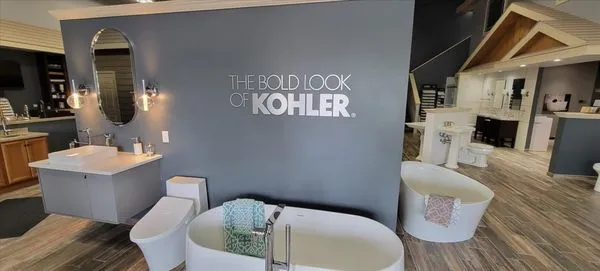
Koenen's Water Works Plumbing
Koenen's Water Works Plumbing is a family-owned, full-service plumbing company serving Burlington, WI, and southeastern Wisconsin. While established under its current name in 2021, the business has be...

Martens Plumbing & Heating
Martens Plumbing & Heating, Inc. is a family-owned plumbing and heating service that has been serving the Mukwonago, WI community since 1956. With decades of experience, they specialize in HVAC system...
Bassett Plumbing
Bassett Plumbing is your trusted Twin Lakes plumber, dedicated to solving the common plumbing issues faced by local homeowners. We specialize in addressing pipe joint and old pipe leaks that can disru...
Jeff's Custom Care Plumbing
Jeff's Custom Care Plumbing is a licensed, family-owned plumbing service proudly serving Waterford, WI, and the surrounding Waukesha area for over 20 years. Founded by Jeff, a master plumber with deca...
Mke Property Maintenance provides reliable electrical, plumbing, and HVAC services for Milwaukee homeowners. We understand the unique challenges of local homes, including common issues like drain clog...
Estimated Plumbing Costs in Fontana on Geneva Lake, WI
Questions and Answers
Are septic system issues different in a lakeside community?
Yes, environmental protections are strict near the lake. A failing septic system here isn't just a home issue; it's a watershed concern. Older drain fields in clay-heavy soils common to the area can become saturated. I coordinate perc tests and system designs that meet both functional needs and conservation standards, ensuring everything operates correctly without impacting the lake.
How fast can a plumber get to my house on the lake?
From the Geneva Lake Shore Path, the route heads north on WI-67 into the village. Traffic is light, so a service call from dispatch typically takes 45 to 60 minutes. That timeline accounts for navigating the smaller lanes off the main road to reach your specific address. We plan routes to minimize your wait during an emergency.
Could the hilly lot be causing my drainage problems?
Absolutely. The slope down toward Geneva Lake Shore Path puts constant, uneven stress on your main sewer line. Over decades, this can cause the pipe to sag or separate at a joint, creating a low spot that collects debris. Hilly terrain also directs surface water toward foundation drains, which can overwhelm them if not maintained. Proper grading is as important as the pipe itself.
What permits do I need for a bathroom remodel in Fontana?
The Village of Fontana Building and Zoning Department requires permits for any plumbing that alters supply or drain lines. As a master plumber licensed by the Wisconsin Department of Safety and Professional Services, I pull all necessary permits, schedule inspections, and ensure the work meets code. My license means I handle the red tape so you don't have to navigate it yourself.
Does lake water ruin water heaters and faucets?
Water drawn from Lake Geneva is very hard, leading to rapid scale buildup. Inside a water heater, this mineral scale acts as an insulator, forcing the unit to work harder and fail sooner. On faucets and showerheads, scale clogs aerators and restricts flow. Installing a whole-house water softener is the most effective defense for protecting your appliances and fixtures.
Our house was built in the 70s, are our pipes too old?
Homes built around 1978 have copper plumbing that is now 48 years old. In Fontana Village Center, I see this age manifest as a noticeable drop in water pressure and frequent small leaks at soldered joints. The copper itself is thinning from decades of water flow, particularly in hot water lines. It's a predictable lifecycle, not a sudden crisis, but one that requires planning for eventual replacement.
What's the most important spring plumbing task here?
Before the spring thaw hits its peak, shut off and drain any exterior hose bibs. While our 12-degree lows are less severe than up north, the freeze-thaw cycles can still burst unprotected pipes. Check the insulation on pipes in unheated crawl spaces or garages. This simple preventative step avoids the most common call I get after the first warm spell.
Why do I keep getting pinhole leaks in my copper pipes?
Pinhole leaks in 48-year-old copper are often due to a process called pitting corrosion. Hard water accelerates it, and the original solder joints from 1978 can become brittle and fail. This is a common failure point I repair in homes of this vintage. The leaks usually start in areas with turbulent water flow, like behind elbows and tees.
