Top Emergency Plumbers in Fall Creek, WI, 54742 | Compare & Call

There are 19 plumbing companies server in Fall Creek WI
Solutions Tub & Mechanical
Solutions Tub & Mechanical is a factory-certified plumbing and mechanical service provider serving Stillwater, MN, and surrounding areas since 2008. Specializing in tub, shower, whirlpool, and spa rep...
Tri-County Plumbing
Tri-County Plumbing, L.L.C. is a Navy veteran-owned and operated plumbing company that has been serving Chippewa Falls, WI, and the surrounding communities since 2008. Founded by a Master Plumber with...
Gibson's WaterCare has been a trusted name in water treatment and plumbing services in western Wisconsin since 1978. With a history spanning over four decades, they've helped more than 10,000 customer...
Bartingale Mechanical
Bartingale Mechanical has been a trusted name in Eau Claire and Northwest Wisconsin for over a century, providing reliable mechanical services since 1913. Our deep roots in the community mean we under...
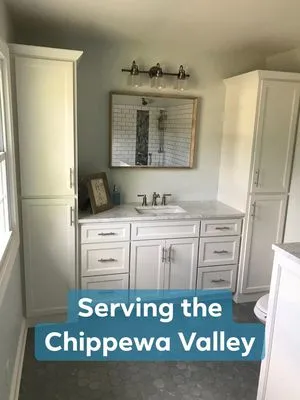
Larson Plumbing Services is a family-owned, local plumbing expert proudly serving Eau Claire and the Greater Chippewa Valley since 2017. As a licensed, insured, and cross-connection certified team, we...
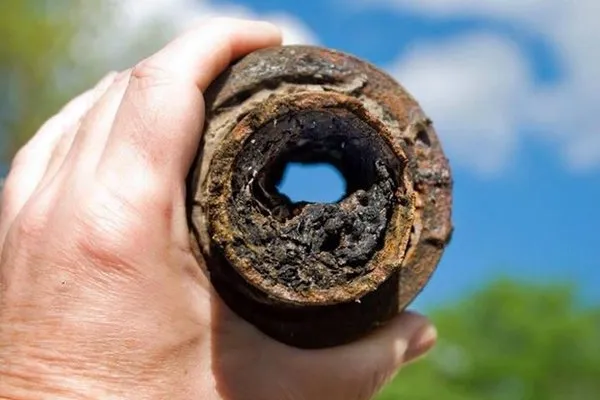
Roto-Rooter in Eau Claire, WI is a licensed plumbing and drain cleaning service available 24/7, offering a wide range of services including emergency plumbing, sewer cleaning, and water purification s...
Drainmaster is a licensed and insured plumbing service based in Chippewa Falls, WI, established in 2020. We specialize in drain repair, hydro-jetting, and septic services, offering comprehensive solut...
Since 1935, Roto-Rooter has been the trusted plumbing and septic service provider for Eau Claire, Chippewa Falls, Bloomer, and the surrounding communities. We specialize in a full range of residential...
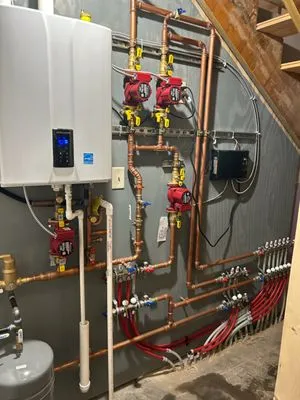
Duncan Creek Plumbing & Home Services is a locally owned and operated plumbing contractor serving the Chippewa Valley since 2017. As a licensed and insured full-service provider, we specialize in the ...
Reddi Rooter Drain Cleaning & Sewer Services is a trusted drainage and sewer specialist located in Eau Claire, Wisconsin. We provide comprehensive plumbing solutions for both homes and businesses thro...
Estimated Plumbing Costs in Fall Creek, WI
FAQs
How quickly can a plumber reach my home in Fall Creek?
Heading past Fall Creek Reservoir on State Highway 12, our dispatch route covers most of the area within 45-60 minutes. We monitor traffic patterns and weather conditions to optimize response times. The route includes backroads access for properties off the main highway. This timing accounts for the rural layout while maintaining emergency service capability.
Why are my Fall Creek pipes failing now after all these years?
Copper plumbing installed around 1974 is now 52 years old. Homeowners in Village Center are seeing pinhole leaks and joint calcification as the copper reaches the end of its typical lifespan. The thin-walled copper used in that era develops micro-fractures from decades of water pressure and mineral interaction. These failures often cluster in homes built during that construction period.
How does our hilly terrain affect drainage and main lines?
The slope around Fall Creek Reservoir creates hydraulic stress on main supply lines, particularly at elevation changes. Drainage systems must account for 15-20% grade variations that can cause sediment accumulation in low spots. Soil erosion during heavy rains exposes buried lines to temperature fluctuations. Proper grading around foundations prevents water from following natural downhill paths toward structures.
Does our well water damage water heaters and fixtures?
Hard water from private wells deposits scale inside water heaters, reducing efficiency by 30-40% over five years. The mineral buildup acts as insulation between heating elements and water, forcing longer run times. Fixtures develop restricted flow from scale accumulation in aerators and valve seats. Anode rods in water heaters corrode faster with our water chemistry.
Are septic and well systems different for rural Fall Creek homes?
Rural properties require coordinated maintenance between well pumps, pressure tanks, and septic drainage fields. Well pump failures often mimic plumbing leaks with pressure drops and air in lines. Septic system backups can indicate drainage field saturation or pipe blockages rather than main line issues. The isolation means each system lacks municipal backup during repairs.
What causes those tiny leaks in my copper pipes?
Pinhole leaks in 1974-era copper result from galvanic corrosion where dissimilar metals meet without proper dielectric unions. The copper develops localized corrosion cells that eat through the pipe wall over decades. You'll typically find these leaks at joints or where pipes contact other metals. The problem accelerates in our hard water conditions.
What should I do before spring thaw to prevent plumbing problems?
Insulate exposed pipes before temperatures drop to 4°F, focusing on crawl spaces and exterior walls. Disconnect garden hoses and shut off exterior faucets from inside the house. Keep cabinet doors open during cold snaps to allow warm air circulation around pipes. Monitor for dripping faucets during thaw periods, which indicate ice blockage relief.
Who handles permits for plumbing work in Eau Claire County?
I coordinate directly with Eau Claire County Planning and Development for all required permits. My Wisconsin Department of Safety and Professional Services credentials cover the full scope of residential and light commercial work. This includes septic system modifications, well pump installations, and major repiping projects. You receive completed documentation without navigating agency requirements yourself.
