Top Emergency Plumbers in Dunkirk, WI, 53534 | Compare & Call

There are 236 plumbing companies server in Dunkirk WI

Piping Pro Plumbing
Piping Pro Plumbing, serving Evansville and the surrounding area since 2015, is built on a foundation of deep, practical experience. Owner and master plumber Sean Brown brings a comprehensive backgrou...

Riteway Heating, Cooling, & Plumbing Services
Riteway Heating, Cooling, & Plumbing Services is your trusted, family-run home comfort expert in Delavan and throughout Walworth County. Owned and operated by Jeff Papcke, a third-generation HVAC prof...

Remedy Plumbing & Heating
Remedy Plumbing & Heating is a full-scale plumbing and heating contractor proudly serving Malone and the broader central and southeast Wisconsin region. Based in the 54935 area, we provide comprehensi...
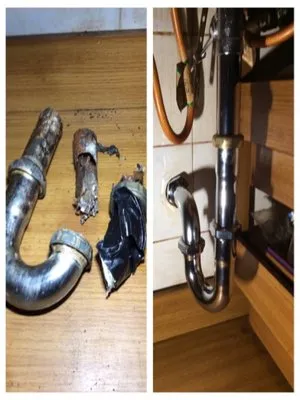
Blau Sudden Service
Since 1960, Blau Sudden Service has been a trusted, family-owned plumbing and HVAC provider for Milwaukee residents. Now in its second generation, the business is built on a foundation of local knowle...

Martens Plumbing & Heating
Martens Plumbing & Heating, Inc. is a family-owned plumbing and heating service that has been serving the Mukwonago, WI community since 1956. With decades of experience, they specialize in HVAC system...
Skye Heating and Air Conditioning
Skye Heating and Air Conditioning is a trusted Milwaukee-based provider of comprehensive HVAC and plumbing services for both residential and commercial properties, including mobile homes. With experti...
Jim's Plumbing
Jim's Plumbing has been a trusted fixture in the Fox Valley since 1967. Founded by Jim Ujazdowski, a plumber trained in Three Lakes, WI, the business began as a one-man operation serving Appleton and ...
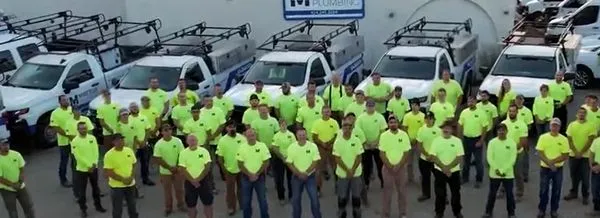
Mattox Plumbing has been a trusted name in West Allis and the surrounding communities for over 35 years. We're a team built on union craftsmanship, with more than 11 Master Plumbers providing reliable...
Master Services
Master Services is a veteran-owned home services company that has been serving Lake Geneva, WI, and the surrounding area since 1990. We specialize in residential plumbing, heating, and cooling solutio...
High Standard Plumbing is a trusted, full-service plumbing company serving Twin Lakes, WI, and the surrounding communities. We specialize in a comprehensive range of residential and commercial plumbin...
Estimated Plumbing Costs in Dunkirk, WI
Common Questions
Does having a private well in Dunkirk affect my plumbing?
Yes, directly. Private wells here typically pull hard water, which deposits scale. This mineral buildup constricts flow inside pipes and coats heating elements in water heaters, forcing them to work harder and fail sooner. Without municipal treatment, addressing scale proactively is a key part of maintaining pressure and appliance longevity.
How quickly can a plumber get to my house in Dunkirk?
For a service call, we plan a dispatch route heading past Lake Kegonsa State Park on I-90 to cover the area. This allows a 45 to 60 minute response window for most addresses in the town. We factor in local traffic and road conditions to provide a reliable arrival estimate once you call.
Could the flat land around Dunkirk cause drainage problems for my house?
The plain terrain offers few natural slopes for water to run off. During heavy rain or rapid spring thaw, saturated soil around your foundation can put hydrostatic pressure on basement walls and the main sewer line. This stress can lead to seepage through floor cracks or even cause a sagging main line to back up, as water has nowhere to go but into the ground around your pipes.
Why are so many homes around Dunkirk Center having plumbing problems now?
Houses built around 1974 have copper pipes that are now 52 years old. That age is a common threshold where the original soldered joints and pipe walls begin to wear thin. Homeowners here are starting to see a pattern of persistent leaks, especially at fixture connections and in basements, as the system reaches the end of its typical service life.
What should I do to my plumbing before winter in southern Wisconsin?
The critical pro-tip for our temperate climate is to disconnect and drain all outdoor hoses before the first hard freeze. While our lows around 10°F aren't extreme, a forgotten hose bib can freeze and crack the interior pipe valve. Doing this in the fall prevents a common, easily avoidable spring thaw discovery of a flooded basement or crawlspace.
Who handles permits for a plumbing repair or remodel in the Town of Dunkirk?
The Town of Dunkirk Building Inspection department issues local permits, and the Wisconsin Department of Safety and Professional Services governs the plumbing code. As a master plumber licensed with the state, I pull the required permits and ensure the work passes inspection. My role is to handle that red tape so you don't have to navigate the regulatory process yourself.
What's the most common plumbing issue in a 1970s Dunkirk home?
Pinhole leaks in copper lines are the signature failure. After 50 years, our hard water accelerates internal corrosion, creating weak spots that eventually seep. You'll often find these leaks first in horizontal runs in the basement ceiling or behind access panels, showing as greenish-blue corrosion stains or a steady drip.
Are there different plumbing concerns for a rural Dunkirk property?
Rural properties here integrate a private well and a septic system, which municipal homes don't manage. This means maintenance responsibility falls entirely on the homeowner. Issues like a failing pressure tank, a clogged septic field, or a compromised well casing are unique, critical concerns that require specialized knowledge of the entire on-site water cycle.
