Top Emergency Plumbers in Dayton, WI, 54946 | Compare & Call

There are 24 plumbing companies server in Dayton WI

Gomach Plumbing is a trusted, family-run business serving the Fox Valley since 2015. Founded by Oshkosh native Luke, who honed his skills through an apprenticeship at Moraine Park Technical College an...

Flush Drain & Sewer Cleaning has been a trusted, family-run business serving the Fox Cities since 1980, now under second-generation ownership. Our focus is on taking the extra step to ensure complete ...
Reeke-Marold Co
Reeke-Marold Co is a trusted, full-service plumbing, HVAC, and gas line contractor serving Green Bay and the surrounding area. For local homeowners dealing with common issues like basement flooding fr...

Wolff Underground is a trusted, family-owned plumbing and excavation company serving Appleton and the surrounding area. Founded by Tim Wolff in 1995 with a commitment to integrity and customer care, w...
Since 1999, CJ Plumbing has been a trusted, fully licensed plumbing service for Neenah and Northeast Wisconsin. Founded by an experienced master plumber with a background dating back to 1996, the busi...
Chain O' Lakes Plumbing is a locally owned and operated plumbing service serving Waupaca, WI, and surrounding communities. With over a decade of experience, Master Plumber Wayne brings deep local root...
Jason, the owner of Jay's Handyman Service, is a veteran serving Central Wisconsin from his base in Plover. He founded his fully insured business to help homeowners manage the often challenging and co...

Jon Krueger Electric, Heating & Cooling
Jon Krueger Electric, Heating & Cooling is a trusted family-owned business serving Redgranite and Waushara County since 1979. Our team provides comprehensive electrical, HVAC, and plumbing solutions f...

Bob's Plumbing & Heating Of Central Wisconsin
Bob's Plumbing & Heating of Central Wisconsin has been serving Amherst and surrounding communities since 1987. As a locally owned and operated business, we provide reliable plumbing, heating, cooling,...
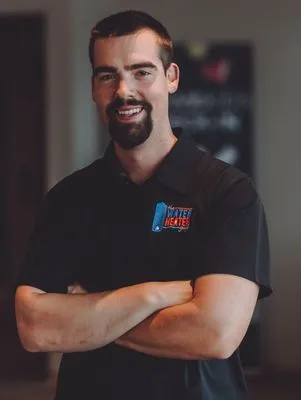
The Water Heater Guys
The Water Heater Guys are Amherst Junction's trusted plumbing specialists, focusing on water heater services and comprehensive plumbing solutions. We help local homeowners and businesses tackle common...
Estimated Plumbing Costs in Dayton, WI
Frequently Asked Questions
Does well water with hard minerals damage my water heater?
Yes, the scale from hard well water significantly shortens a water heater's life. Mineral deposits solidify on the tank's bottom and on the heating elements in electric models, causing inefficiency, overheating, and premature failure. For Dayton homes, installing a whole-house water softener is the most effective defense to protect the heater, fixtures, and the entire plumbing system from accelerated wear.
What's the most important spring plumbing maintenance for Dayton?
Before the spring thaw hits its peak, disconnect any garden hoses and ensure your exterior hose bibs are fully drained and shut off from inside. Trapped water from winter can freeze in the bib, causing a split in the pipe behind your wall. A quick check of your basement for new dampness after the ground thaws can also catch early signs of foundation seepage or lateral line issues.
Could the hilly land around here cause plumbing problems?
The sloping terrain common near Waupaca Chain O' Lakes places constant stress on the main sewer lateral running from your house to the septic tank or street. Over years, this can lead to bellied pipes that collect debris or joints that separate. It also affects drainage around your foundation; proper grading is crucial to direct water away and prevent basement flooding during heavy rains.
Are there special considerations for plumbing in a rural home like mine?
Rural plumbing revolves around your private well and septic system. Well pump pressure switches and tanks need periodic service, while septic systems require routine pumping every 3-5 years, depending on use. Unlike a city connection, a loss of water pressure usually points to a well pump or pressure tank issue, and any backup indicates a need to check the septic tank or lateral field.
Do I need a permit to replace my water heater or re-pipe my house?
Most substantial plumbing work in Waupaca County requires a permit from the Zoning Department, and it must be performed by a licensed master plumber. As a licensee with the Wisconsin Department of Safety and Professional Services, I handle pulling the permit, scheduling inspections, and ensuring the work meets all state code. This manages the red tape for you and guarantees the installation is documented and legal.
My copper pipes are making noise and leaking at the joints. What's happening?
Calcification at solder joints is a frequent issue in 48-year-old copper systems. Hard water minerals and flux residue from the original installation build up over decades, stressing the joints and eventually causing seepage. The noise you hear is often turbulent water passing through these restricted fittings. Repairs typically involve cutting out the affected section and installing new copper with dielectric unions where needed.
How long do copper pipes last in Dayton homes built in the 70s?
Copper plumbing installed around 1978 is now 48 years old. At this stage, pipes in Dayton Corners often develop pinhole leaks due to decades of internal corrosion and water chemistry. You might notice small, persistent damp spots on drywall or a faint metallic taste in your water. This is a common failure point for copper of this vintage and warrants a proactive inspection to assess the system's condition.
What's the typical response time for a plumber in the Dayton area?
From the shop, I take US-10 east from Waupaca Chain O' Lakes, which puts me in Dayton Corners within 45 to 60 minutes for most calls. That route accounts for local traffic and the final stretch on county roads. For urgent leaks, I can often coordinate an initial diagnosis by phone to guide you on shutting off water until I arrive.
