Top Emergency Plumbers in Dane, WI, 53529 | Compare & Call

There are 80 plumbing companies server in Dane WI

Piping Pro Plumbing
Piping Pro Plumbing, serving Evansville and the surrounding area since 2015, is built on a foundation of deep, practical experience. Owner and master plumber Sean Brown brings a comprehensive backgrou...

Remedy Plumbing & Heating
Remedy Plumbing & Heating is a full-scale plumbing and heating contractor proudly serving Malone and the broader central and southeast Wisconsin region. Based in the 54935 area, we provide comprehensi...
Jim's Plumbing
Jim's Plumbing has been a trusted fixture in the Fox Valley since 1967. Founded by Jim Ujazdowski, a plumber trained in Three Lakes, WI, the business began as a one-man operation serving Appleton and ...
Action Heating & Cooling
For over 36 years, Action Heating & Cooling has been the trusted local contractor for Brown Deer residents and businesses, providing reliable solutions for both HVAC and plumbing needs. As a certified...
Robert's Plumbing & Heating
Robert's Plumbing & Heating is a family-owned and operated plumbing and heating subcontractor serving Madison, WI, and surrounding areas since 2003. Founded by Brad Brickham and his father Robert, the...

Kettle Moraine Heating & Air Conditioning
For over 35 years, Kettle Moraine Heating & Air Conditioning has been the trusted, family-owned choice for Delafield and Southeastern Wisconsin. As a third-generation local business established in 198...
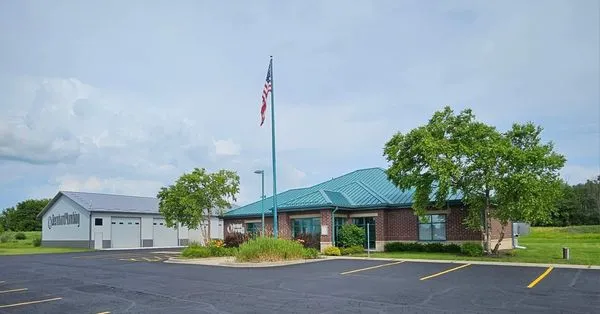
Bernhard Plumbing
Bernhard Plumbing, Inc. has been the trusted plumbing service in Mayville, WI since 1954, proudly serving Mayville, Fond du Lac, and surrounding communities. As a fourth-generation family business, we...

G&G Rooter is a locally owned and operated plumbing service proudly serving Janesville, WI, and surrounding counties like Walworth, Jefferson, and Dane. Founded by a dedicated single father and avid P...

Dallman Plumbing
Dallman Plumbing has been a trusted local fixture in Middleton, WI, since 2000. Founded and operated by Master Plumber Mike Dallman, our company is built on over three decades of hands-on trade experi...
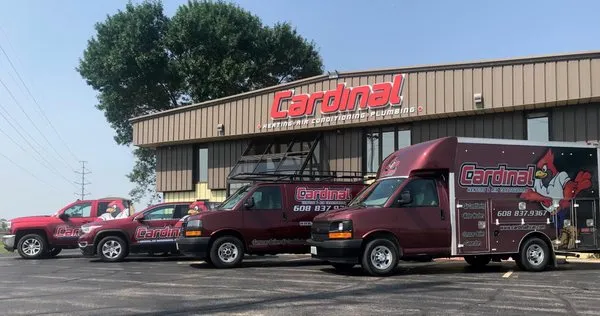
Cardinal Heating, Cooling, Plumbing & Electric
Cardinal Heating, Cooling, Plumbing & Electric is a trusted, family-owned business that has served Sun Prairie and Southern Wisconsin since 1984. Founded and operated by Rick and Sharon Ouimette, the ...
Estimated Plumbing Costs in Dane, WI
FAQs
What's different about plumbing for a rural Dane County home with a well and septic?
The entire system is your responsibility, from the well pump and pressure tank to the septic tank and drain field. A failing pressure switch or a full septic tank will stop your household just as effectively as a municipal outage. It requires a different diagnostic approach, as a sewage backup could point to a septic issue, not a clogged pipe. Scheduling regular septic pumping is as important as changing your furnace filter.
Could my home's flat lot be causing drainage issues?
The relatively plain terrain around Dane and Lake Wisconsin can actually complicate drainage. Without a natural slope, water from rain or snowmelt tends to pool. This saturated soil puts constant hydrostatic pressure on your foundation and can stress the main sewer line exiting your home. Ensuring your gutters drain well away from the house and that the soil grade slopes gently away is your first defense.
Who pulls permits for a bathroom remodel or water heater replacement in Dane?
Any significant plumbing alteration requires permits from Dane County Planning and Development. As a master plumber licensed by the Wisconsin Department of Safety and Professional Services, I handle that entire process. This includes scheduling inspections to ensure the work meets state code. My credential means I manage the red tape so you don't have to, and the work is documented properly for future home sales.
Does hard well water damage my water heater?
Yes, it's a primary cause of premature failure. Hard water from private wells contains minerals that form scale. This sediment builds up at the bottom of the tank, insulating the heating element and causing it to overwork. Over time, scale also corrodes the anode rod, leaving the tank itself vulnerable to rust. An annual flush and anode rod check are essential maintenance steps here.
What's the most important spring plumbing task for Dane, WI?
After our 10-degree winters, the spring thaw is critical. Check all exterior hose bibbs for freeze damage by turning them on and feeling for drips at the connection point inside your basement or crawlspace. A pro-tip is to also inspect your main water line where it enters the foundation, as ground shifting from the freeze-thaw cycle can stress that connection and lead to a leak.
How quickly can a plumber get to my house in Dane?
My typical dispatch route from the Lake Wisconsin area involves heading up County Road D to the I-90 interchange. That puts me on the main artery for most of Dane County. Barring major traffic, I can usually be at a Village Center address in 45 to 60 minutes. I keep my truck stocked for common emergency calls to minimize any extra trips.
Should I be worried about my plumbing in a 1990s Dane house?
Plumbing in homes built around 1991 is now 35 years old. For copper pipe in Village Center, that's the age when pitting and wall thinning from decades of water flow become apparent. Homeowners often notice small leaks first at solder joints or a gradual drop in water pressure. This isn't a crisis, but it's a clear signal to have your system inspected before a minor issue turns into a major repair.
Why do I keep getting pinhole leaks in my copper pipes?
Pinhole leaks in 35-year-old copper are often caused by a combination of factors. Localized corrosion from the water's chemistry creates weak spots that eventually perforate. You might also see green corrosion at fittings, which is a sign of failing solder joints. This type of failure is predictable for the age of plumbing in this area and usually indicates a section of pipe needs replacement.
