Top Emergency Plumbers in Cornell, WI, 54732 | Compare & Call

There are 13 plumbing companies server in Cornell WI
Solutions Tub & Mechanical
Solutions Tub & Mechanical is a factory-certified plumbing and mechanical service provider serving Stillwater, MN, and surrounding areas since 2008. Specializing in tub, shower, whirlpool, and spa rep...
Gibson's WaterCare has been a trusted name in water treatment and plumbing services in western Wisconsin since 1978. With a history spanning over four decades, they've helped more than 10,000 customer...
Bartingale Mechanical
Bartingale Mechanical has been a trusted name in Eau Claire and Northwest Wisconsin for over a century, providing reliable mechanical services since 1913. Our deep roots in the community mean we under...
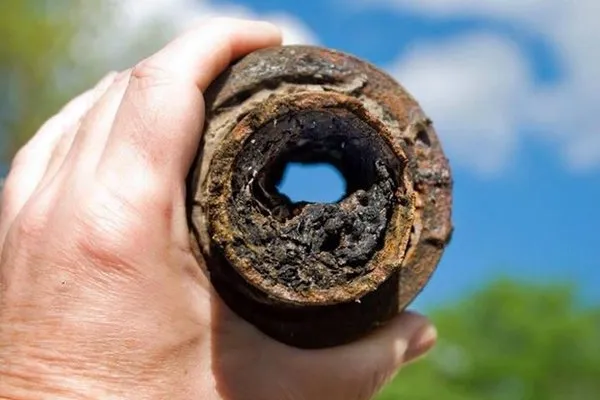
Roto-Rooter in Eau Claire, WI is a licensed plumbing and drain cleaning service available 24/7, offering a wide range of services including emergency plumbing, sewer cleaning, and water purification s...
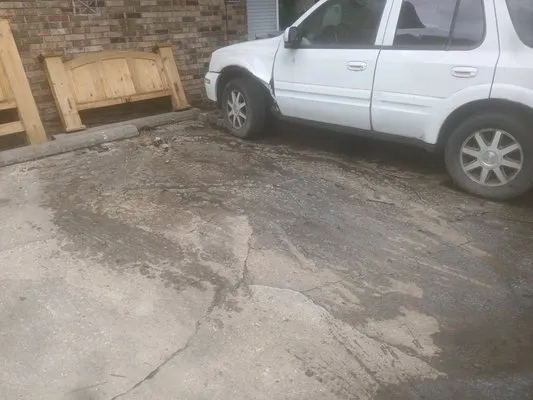
Drainmaster is a licensed and insured plumbing service based in Chippewa Falls, WI, established in 2020. We specialize in drain repair, hydro-jetting, and septic services, offering comprehensive solut...
Since 1935, Roto-Rooter has been the trusted plumbing and septic service provider for Eau Claire, Chippewa Falls, Bloomer, and the surrounding communities. We specialize in a full range of residential...
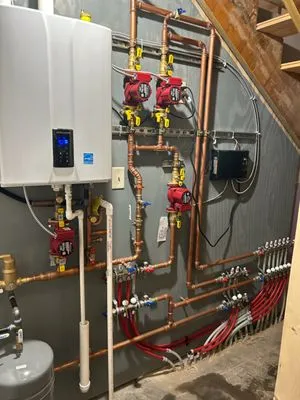
Duncan Creek Plumbing & Home Services is a locally owned and operated plumbing contractor serving the Chippewa Valley since 2017. As a licensed and insured full-service provider, we specialize in the ...
Reddi Rooter Drain Cleaning & Sewer Services is a trusted drainage and sewer specialist located in Eau Claire, Wisconsin. We provide comprehensive plumbing solutions for both homes and businesses thro...
JP Mechanical is a family-owned, full-service plumbing and HVAC provider serving Eleva, WI, and the wider Chippewa Valley area. As a licensed, insured, and EPA-certified company, we offer reliable sol...
The Water Heater Guys are Marshfield's trusted plumbing specialists, dedicated to solving the common household issues local homeowners face. From persistent bathroom drain clogs to unexpected dishwash...
Estimated Plumbing Costs in Cornell, WI
Questions and Answers
What kind of plumbing failures should I expect in an older Cornell home?
Galvanized steel pipes from 1960 often fail at the threaded joints. Decades of scale buildup and corrosion weaken these connection points, leading to pinhole leaks that can be hidden inside walls. The pipe walls themselves also thin out, and a section can suddenly burst, especially during a pressure surge or when disturbed during other work.
How fast can a plumber get to me in Cornell?
Heading past Brunet Island State Park on State Highway 27 is the main route into Cornell for most service calls. From there, navigating the local roads adds a few minutes. For a standard emergency, you can expect a 45 to 60 minute dispatch window from the initial call to a truck arriving at your curb, depending on your specific location off the highway.
What's the most important cold-weather plumbing tip for the Cornell snow belt?
Before temperatures hit the annual low near 3°F, disconnect and drain your garden hoses. A hose bib that freezes can crack the pipe inside the wall, leading to a major leak. This simple, five-minute task in the fall is the single most effective step to prevent a common and costly spring thaw emergency.
Does the hard water from the Chippewa River damage my plumbing?
Water drawn from the Chippewa River is mineral-rich, leading to significant scale buildup. Inside a water heater, this sediment acts as an insulator, forcing the unit to work harder and fail prematurely. On faucet cartridges and shower valves, the scale restricts water flow and causes premature wear, often requiring more frequent repairs or replacement.
Are my old pipes in Cornell a problem?
Galvanized steel plumbing from the 1960s is now over 65 years old. In Cornell City Center homes, the interior of these pipes has corroded and rusted, reducing water pressure to a trickle in some faucets. You might notice brownish water, especially after the line hasn't been used for a few hours. This is the final stage of the pipe's lifespan, where complete failure and leaks become common.
Who handles permits for a plumbing project in Chippewa County?
Any significant plumbing work requires permits from the Chippewa County Zoning Department and must follow Wisconsin DSPS code. As a licensed master plumber, I pull those permits and schedule the required inspections. This process ensures the work is done to current standards and protects your home's value, handling the necessary red tape so you don't have to.
Are there special plumbing concerns for a rural property near Cornell?
For homes on private wells and septic systems, maintenance is entirely the homeowner's responsibility. Well pump pressure switches and tanks need periodic service, while septic systems require regular pumping every 3-5 years. Neglecting these can lead to catastrophic failures, like a failed drain field or a burned-out pump, that are far more costly than routine upkeep.
Could the hilly land around Brunet Island affect my home's plumbing?
The sloping terrain common in the area puts constant, uneven stress on the main sewer line running from your house to the street. Over decades, this can cause the pipe to settle, sag, or develop cracks at joint connections. During heavy rains or spring thaw, groundwater can then infiltrate these cracks, overloading the system and potentially causing backups.
