Top Emergency Plumbers in Como, WI, 53147 | Compare & Call

There are 105 plumbing companies server in Como WI
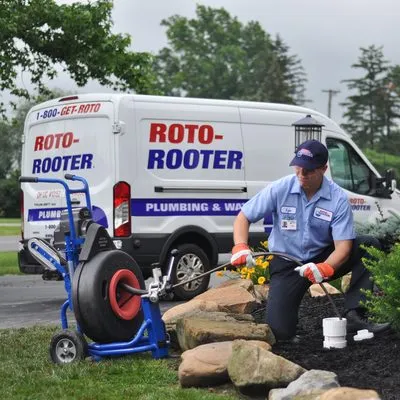
Roto-Rooter Plumbing & Water Cleanup
Roto-Rooter Plumbing & Water Cleanup is a trusted, locally-operated service in Kenosha, Wisconsin. We are fully staffed and ready to help our neighbors 24 hours a day, 7 days a week, with no extra cha...

Piping Pro Plumbing
Piping Pro Plumbing, serving Evansville and the surrounding area since 2015, is built on a foundation of deep, practical experience. Owner and master plumber Sean Brown brings a comprehensive backgrou...

JC Plumbing & Heating
JC Plumbing & Heating is your trusted local plumbing expert serving Elkhorn, WI, and the surrounding areas. We specialize in a comprehensive range of residential plumbing services, from routine repair...

Riteway Heating, Cooling, & Plumbing Services
Riteway Heating, Cooling, & Plumbing Services is your trusted, family-run home comfort expert in Delavan and throughout Walworth County. Owned and operated by Jeff Papcke, a third-generation HVAC prof...
O'Leary Plumbing, Heating & Electrical
O'Leary Plumbing, Heating & Electrical is a family-owned business serving East Troy, WI, and surrounding communities since 1958. With nearly 60 years of experience, they provide reliable plumbing, HVA...
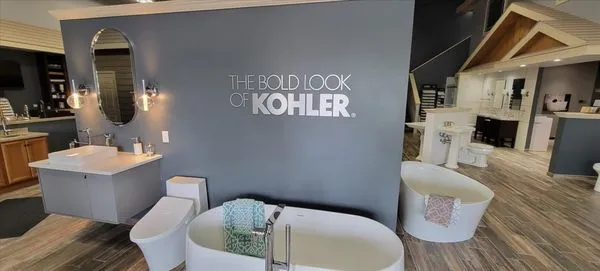
Koenen's Water Works Plumbing
Koenen's Water Works Plumbing is a family-owned, full-service plumbing company serving Burlington, WI, and southeastern Wisconsin. While established under its current name in 2021, the business has be...

Martens Plumbing & Heating
Martens Plumbing & Heating, Inc. is a family-owned plumbing and heating service that has been serving the Mukwonago, WI community since 1956. With decades of experience, they specialize in HVAC system...
Bassett Plumbing
Bassett Plumbing is your trusted Twin Lakes plumber, dedicated to solving the common plumbing issues faced by local homeowners. We specialize in addressing pipe joint and old pipe leaks that can disru...
Jeff's Custom Care Plumbing
Jeff's Custom Care Plumbing is a licensed, family-owned plumbing service proudly serving Waterford, WI, and the surrounding Waukesha area for over 20 years. Founded by Jeff, a master plumber with deca...
Mke Property Maintenance provides reliable electrical, plumbing, and HVAC services for Milwaukee homeowners. We understand the unique challenges of local homes, including common issues like drain clog...
Estimated Plumbing Costs in Como, WI
FAQs
Are there different plumbing concerns for a rural home with a well and septic system versus town water?
Absolutely. Your entire water and waste system is self-contained. A failing pressure tank or well pump means you have no water at all, not just low pressure. On the septic side, what goes down your drain directly impacts the leach field's health; harsh chemicals or non-biodegradable materials can cause system failure. Maintenance focuses on the entire chain from the well point to the septic field, which is a responsibility municipal sewer and water users don't have.
How quickly can a plumber get to a home in the Como area for an emergency?
My dispatch route typically has me heading past Como Lake on WI-50, which provides the most direct access to the estates. Under normal conditions, I can be on site in 45 to 60 minutes from receiving the call. I factor in local traffic patterns and keep my service truck stocked for the common emergencies I see in this specific neighborhood to minimize any additional trips.
Why do my copper pipes from 1979 keep springing pinhole leaks?
Copper pipes from that era are prone to a specific type of corrosion called Type 1 pitting, often accelerated by our local water chemistry. After decades of service, microscopic imperfections in the pipe wall become focal points for erosion, leading to those sudden pinholes. The problem frequently appears at solder joints where dissimilar metals meet, or in sections of pipe with turbulent water flow. It's a systemic issue for plumbing of this vintage, not a random occurrence.
My plumbing in Como Lake Estates was installed in the late 70s. What should I be watching for now?
Your copper pipes are now 47 years old. At this stage, the original solder joints and the pipe walls themselves are often at the end of their service life. Homeowners here are starting to see persistent pinhole leaks, especially at elbow joints and behind walls. The corrosion is a natural process, but it accelerates noticeably once pipes cross this 40-50 year threshold. Proactive inspections can identify weak spots before they become a major leak.
What's one plumbing task I should do every spring living in a temperate climate like Como?
Before the spring thaw hits its peak, disconnect and drain your garden hoses. A hose left connected traps water in the exterior faucet and the supply line inside the wall. When we still get a night that dips toward 10 degrees, that trapped water can freeze, expand, and split the pipe. This simple two-minute task prevents one of the most common and costly freeze-related leaks we see each year.
Does having a private well with hard water damage my plumbing appliances?
Yes, the mineral content from private wells here leads to significant scale buildup. Inside your water heater, this scale acts as an insulator, forcing the unit to work harder and burn out heating elements prematurely. You will also see reduced flow and premature seal failure in faucets and shower valves. Installing and maintaining a whole-house water softener is not just for comfort; it's a protective measure that extends the lifespan of every water-using appliance in your home.
Do I need a permit to replace my water heater, and who handles that paperwork?
Yes, the Town of Geneva Building Department requires permits for water heater replacement to ensure proper safety codes, like venting and pressure relief, are met. As a master plumber licensed by the Wisconsin Department of Safety and Professional Services, I pull all necessary permits for the work. I handle the red tape so you don't have to, and the final inspection provides you with a documented record that the installation meets all current state and local standards.
Could the low-lying land near Como Lake be causing my main sewer line problems?
It's very likely. The flat, low-lying terrain here can impede natural drainage away from your main sewer line. Over time, saturated soil places constant hydrostatic pressure on the pipe, which can lead to joint separation or cracks. Furthermore, during heavy rains or rapid snowmelt, groundwater infiltration into older lines is a common issue, which can overwhelm your septic system or cause backups.
