Top Emergency Plumbers in Columbus, WI, 53925 | Compare & Call

There are 34 plumbing companies server in Columbus WI

Remedy Plumbing & Heating
Remedy Plumbing & Heating is a full-scale plumbing and heating contractor proudly serving Malone and the broader central and southeast Wisconsin region. Based in the 54935 area, we provide comprehensi...
Jim's Plumbing
Jim's Plumbing has been a trusted fixture in the Fox Valley since 1967. Founded by Jim Ujazdowski, a plumber trained in Three Lakes, WI, the business began as a one-man operation serving Appleton and ...
Action Heating & Cooling
For over 36 years, Action Heating & Cooling has been the trusted local contractor for Brown Deer residents and businesses, providing reliable solutions for both HVAC and plumbing needs. As a certified...
Robert's Plumbing & Heating
Robert's Plumbing & Heating is a family-owned and operated plumbing and heating subcontractor serving Madison, WI, and surrounding areas since 2003. Founded by Brad Brickham and his father Robert, the...

Kettle Moraine Heating & Air Conditioning
For over 35 years, Kettle Moraine Heating & Air Conditioning has been the trusted, family-owned choice for Delafield and Southeastern Wisconsin. As a third-generation local business established in 198...
Bernhard Plumbing
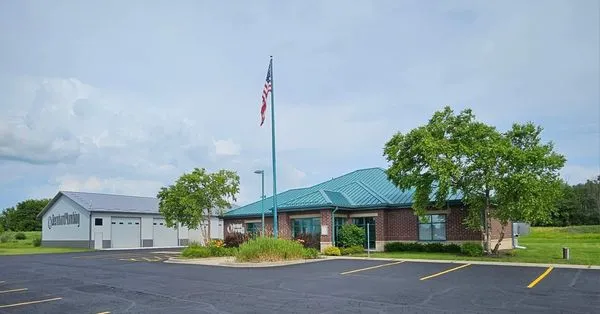
Bernhard Plumbing, Inc. has been the trusted plumbing service in Mayville, WI since 1954, proudly serving Mayville, Fond du Lac, and surrounding communities. As a fourth-generation family business, we...
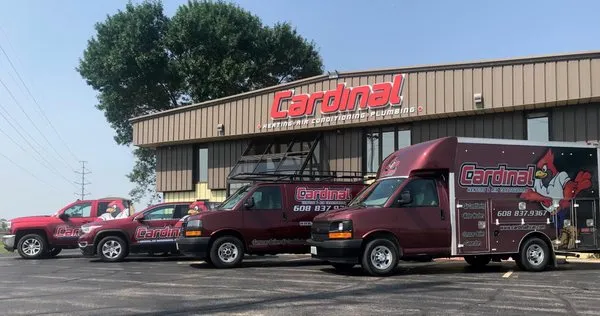
Cardinal Heating, Cooling, Plumbing & Electric
Cardinal Heating, Cooling, Plumbing & Electric is a trusted, family-owned business that has served Sun Prairie and Southern Wisconsin since 1984. Founded and operated by Rick and Sharon Ouimette, the ...
Monona Plumbing & Fire Protection
As President and an owner of Monona Plumbing & Fire Protection, I've had the privilege of leading our Madison-based team since 2006. My journey began with an Accounting degree from UW-Madison in 1995,...
Craig's Painting and Home Improvements is a trusted, locally-owned contractor serving Madison homeowners for years. While known for expert interior and exterior painting, drywall, and staining, Craig'...

The Honest Handyman is a locally owned and operated handyman service serving Madison, Wisconsin, and the surrounding communities. Founded by a Madison family, we specialize in tackling the home repair...
Estimated Plumbing Costs in Columbus, WI
Q&A
How quickly can you get to a plumbing emergency near downtown Columbus?
My dispatch route typically starts from the Columbus Historic District, heading out on State Highway 16. For most calls within the city, that puts me on-site in 20-30 minutes. I keep common parts for older homes on the truck to address immediate failures without an extra supply run.
Do I need a permit to replace a water heater or repipe my Columbus home?
Yes, the Columbus Building Inspection Department requires permits for this work to ensure it meets state code. As a Master Plumber licensed by the Wisconsin Department of Safety and Professional Services, I pull all necessary permits, schedule inspections, and handle the paperwork. This ensures the job is documented correctly for your home's records and future sales.
My house has a small leak behind a wall. Could it be related to the original plumbing?
Yes, pinhole leaks in galvanized steel are a hallmark of 1961-era plumbing. The pipe walls thin from internal corrosion until they fail, often starting at threaded joints or where sediment collects. In Columbus, these leaks frequently appear on hot water lines first, as the heat accelerates the corrosion process. Isolating and replacing the failed section is the standard repair.
What's the most important thing to do for my plumbing before winter in Columbus?
Disconnect and drain your garden hoses before the first hard freeze. A forgotten hose bib can freeze and crack the pipe inside your wall, leading to a major leak. With our lows around 10°F, this simple step prevents one of the most common and preventable winter emergencies we see in this temperate climate.
Why are so many homes in downtown Columbus getting rusty water and low pressure lately?
Pipes installed around 1961 are now 65 years old. Galvanized steel has a typical lifespan of 50-70 years. In the Columbus Historic District, we're seeing the interior scale buildup reach a critical point, reducing the effective pipe diameter to a pencil's width in some cases. This directly causes the low pressure and discolored water residents are reporting.
As a rural homeowner just outside Columbus, what plumbing system should I prioritize?
Your private well and septic system require regular maintenance, unlike a municipal connection. Schedule a well inspection every few years to check the pump and pressure tank. For the septic system, have it pumped on a routine schedule based on household size. Neglecting these can lead to costly well replacements or septic field failures.
Could the flat land around my house in Columbus cause drainage issues?
The plain terrain means water has nowhere to go but down. Over decades, this constant, slow saturation around the foundation in the Historic District can stress the main sewer line, leading to settlement or joint failure. Proper grading away from the house is critical to keep groundwater from adding hydraulic pressure to an already aging pipe system.
Does Columbus's hard water damage my water heater and fixtures?
Municipal wells here pull from a hard water aquifer. The mineral content, primarily calcium and magnesium, forms scale. Inside a water heater, this scale acts as an insulator, forcing the unit to work harder and shortening its life. On fixtures and showerheads, it reduces flow and can degrade rubber seals and moving parts over several years.
