Top Emergency Plumbers in Cedar Grove, WI, 53013 | Compare & Call

There are 17 plumbing companies server in Cedar Grove WI

J M Brennan
J.M. Brennan is a family-owned mechanical contracting firm that has been serving Milwaukee and southeastern Wisconsin since 1932. With deep roots in the community, we provide reliable HVAC installatio...
GEN3 Plumbing
GEN3 Plumbing is a family-owned and operated plumbing contractor serving Sheboygan County and the surrounding area. With 25 years of experience, this third-generation business carries forward a legacy...
Wilkes Plumbing
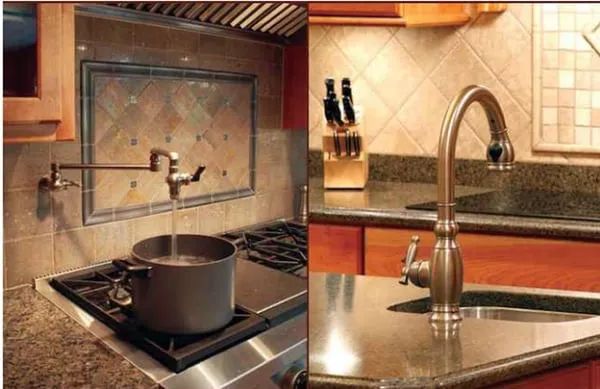
Since 1998, Wilkes Plumbing has been the trusted plumbing and HVAC expert for West Bend, WI, and the surrounding Washington and Dodge counties. As a locally owned and operated business, we understand ...

Able Distributing Company
Able Distributing Company is a plumbing wholesale supplier serving contractors and mechanicals across southeastern Wisconsin. Established locally in 1966 and operating from its West Allis location sin...

Haucke Plumbing & Heating
Haucke Plumbing & Heating is a family-owned plumbing service based in Plymouth, WI, with deep roots in the community since 1983. Founded by Mike's father, the business transitioned to current ownershi...
Kimme Plumbing Service
Kimme Plumbing Service is a trusted, local plumbing company serving Sheboygan, WI, and the surrounding communities. We specialize in addressing the common plumbing challenges faced by homeowners in ou...

Giertsen Co of Wisconsin
Giertsen Co of Wisconsin is a family-owned restoration company serving Waukesha and surrounding communities since 1918. With nearly a century of experience, we've built our reputation on reliable emer...

Action Sewer & Pump Service has been providing reliable plumbing solutions to West Bend, WI, for over 30 years. As a licensed and experienced local business, we specialize in drain repair, garbage dis...
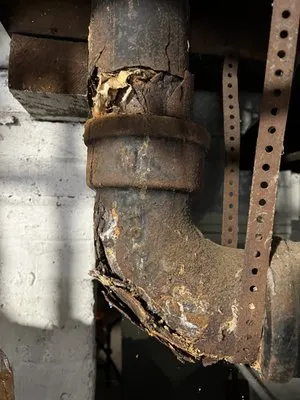
Asap Sewer And Drain Cleaning is a locally-owned plumbing service in Kimberly, Wisconsin, with deep roots in the community. Founded in 2011 by a Green Bay native who grew up in a family plumbing busin...
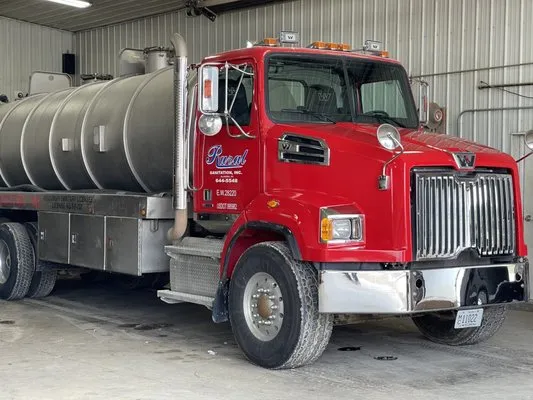
For over 50 years, Rural Sanitation has been the trusted name for septic and well system care in Slinger and the surrounding communities. Since our founding in 1974, we've built our reputation on reli...
Estimated Plumbing Costs in Cedar Grove, WI
Common Questions
What should I do before spring thaw to prevent plumbing problems?
Before temperatures rise above freezing, disconnect garden hoses and shut off exterior faucets from inside. Insulate pipes in unheated crawlspaces where 12-degree winter lows can cause residual freezing. Check for ice dams that might force water behind walls. Spring thaw's rapid temperature shift stresses older copper joints, so monitoring for new leaks during this period helps catch small issues before they become major.
As a rural homeowner near Cedar Grove, what plumbing systems need special attention?
Well systems require annual pressure tank checks and occasional pump replacements as they age. Septic systems need professional pumping every 3-5 years depending on household size. Municipal water pressure varies throughout the village, so pressure regulators prevent damage to older copper plumbing. Tree roots seeking moisture can infiltrate sewer laterals, requiring periodic clearing even in less densely wooded areas.
Who handles permits for plumbing work in Cedar Grove?
The Village of Cedar Grove Building Inspection department reviews all plumbing permits, while the Wisconsin Department of Safety and Professional Services licenses contractors. I maintain current credentials with both agencies and manage permit applications for clients. This ensures work meets local code requirements for insurance and resale purposes. Handling the red tape means homeowners avoid bureaucratic delays and compliance issues.
Why do my 1970s copper pipes keep developing pinhole leaks?
Copper plumbing from that era experiences electrolytic corrosion where dissimilar metals meet without proper dielectric unions. The constant water flow creates microscopic wear points that eventually penetrate the pipe wall. In Cedar Grove homes, this often manifests first behind walls or under slabs where moisture accelerates deterioration. Replacing affected sections with properly isolated copper or PEX prevents recurrence of this specific failure mode.
Could my home's location in Hingham Woods affect my main sewer line?
Low-lying terrain around Hingham Woods creates drainage challenges that stress main sewer lines. Settling soil puts uneven pressure on pipes, leading to joint separation over time. During heavy rains, groundwater infiltration can overwhelm older systems. Installing backwater valves and scheduling camera inspections every few years identifies potential issues before they cause basement flooding or sewage backups.
Does Lake Michigan water damage my water heater and fixtures?
Lake Michigan's hard water deposits calcium scale inside water heaters and fixture cartridges. Over time, this mineral buildup reduces heating efficiency by insulating elements and restricts water flow through valves. Annual flushing of water heaters and replacing aerators every few years manages the impact. Installing a whole-house water softener significantly extends appliance lifespan in our specific water conditions.
How quickly can a plumber reach my home in Cedar Grove during an emergency?
Heading past Hingham Woods on I-43 gets me to most Cedar Grove addresses within 45-60 minutes from dispatch. That route avoids local congestion while maintaining access to the entire village. I keep trucks stocked with common copper fittings and water heater parts specific to our area. For urgent situations like burst pipes, I prioritize direct routes to minimize water damage before arrival.
My copper pipes in Village Center are 47 years old - what should I be watching for?
Copper plumbing installed around 1979 has reached a critical age where internal corrosion becomes visible. Homeowners in Village Center are reporting pinhole leaks in hot water lines and green corrosion spots at joints. These systems were built with thinner-walled copper than earlier installations, making them more vulnerable after decades of water flow. Regular inspections of exposed pipes in basements and crawlspaces can catch issues before they become emergencies.
