Top Emergency Plumbers in Boyceville, WI, 54725 | Compare & Call

There are 24 plumbing companies server in Boyceville WI
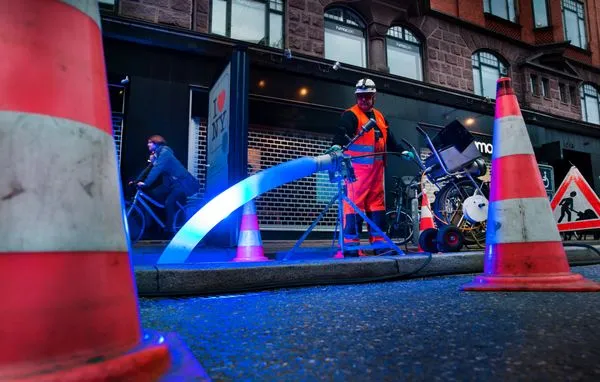
Truly Trenchless Sewer Solutions is a Cambridge-based plumbing and sewer specialist dedicated to solving local pipe problems with minimal disruption. We focus on trenchless sewer repair and lining, wh...
Solutions Tub & Mechanical
Solutions Tub & Mechanical is a factory-certified plumbing and mechanical service provider serving Stillwater, MN, and surrounding areas since 2008. Specializing in tub, shower, whirlpool, and spa rep...
Bartingale Mechanical
Bartingale Mechanical has been a trusted name in Eau Claire and Northwest Wisconsin for over a century, providing reliable mechanical services since 1913. Our deep roots in the community mean we under...
Larson Plumbing Services is a family-owned, local plumbing expert proudly serving Eau Claire and the Greater Chippewa Valley since 2017. As a licensed, insured, and cross-connection certified team, we...
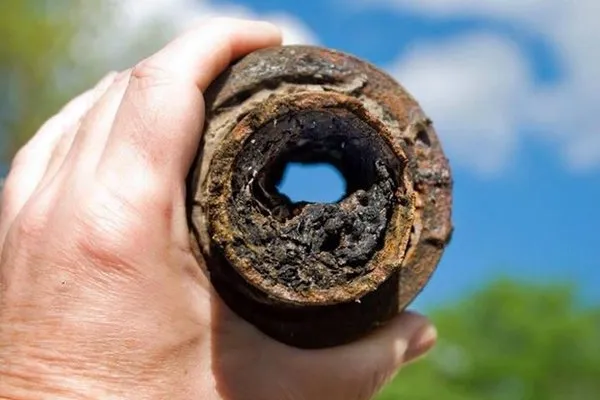
Roto-Rooter in Eau Claire, WI is a licensed plumbing and drain cleaning service available 24/7, offering a wide range of services including emergency plumbing, sewer cleaning, and water purification s...
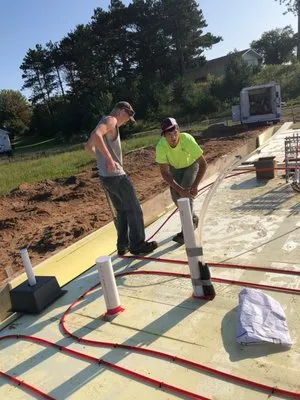
Countryside Plumbing & Heating
Countryside Plumbing & Heating has been a trusted family-owned and operated business serving the greater St. Croix Valley area since 1950, with the current name and ownership in place since 1982. For ...
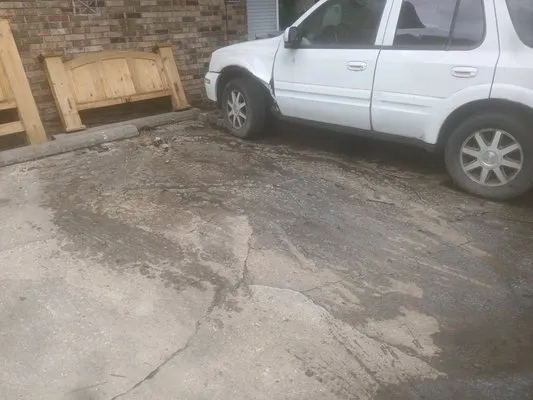
Drainmaster is a licensed and insured plumbing service based in Chippewa Falls, WI, established in 2020. We specialize in drain repair, hydro-jetting, and septic services, offering comprehensive solut...

Hurlburt Heating & Plumbing
Since 1959, Hurlburt Heating & Plumbing has been a cornerstone of home comfort and reliability for families throughout Menomonie and the wider Chippewa Valley. As a family-owned and operated business,...
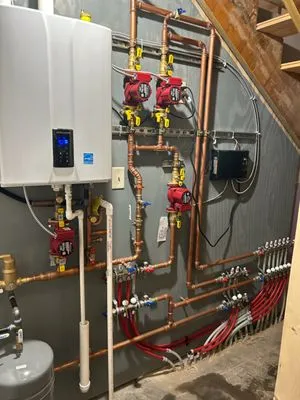
Duncan Creek Plumbing & Home Services is a locally owned and operated plumbing contractor serving the Chippewa Valley since 2017. As a licensed and insured full-service provider, we specialize in the ...
Reddi Rooter Drain Cleaning & Sewer Services is a trusted drainage and sewer specialist located in Eau Claire, Wisconsin. We provide comprehensive plumbing solutions for both homes and businesses thro...
Estimated Plumbing Costs in Boyceville, WI
Question Answers
What should I do before spring thaw to prevent plumbing problems?
Insulate exposed pipes in unheated spaces before temperatures drop to 5°F. Disconnect and drain outdoor hoses to prevent ice backing into interior pipes. Keep cabinet doors open under sinks to allow warm air circulation during cold snaps. These simple steps prevent frozen pipes that often burst during rapid spring thaw when pressure builds behind remaining ice blockages.
How quickly can a plumber reach my home in Boyceville?
Heading past Tiffany Creek on State Highway 79 gets me to most Boyceville addresses within 45-60 minutes. This route avoids backroad delays while providing direct access to residential areas. I keep my truck stocked with common copper repair materials to minimize return trips. Local knowledge of seasonal road conditions helps maintain consistent response times.
Does hard water from my private well damage plumbing fixtures?
Hard water causes scale buildup that reduces water heater efficiency by up to 30% over time. Mineral deposits accumulate inside tank walls and on heating elements, forcing them to work harder. Fixtures like showerheads and faucet aerators clog with calcium deposits, reducing water pressure. Installing a whole-house water softener protects your plumbing investment and maintains fixture performance.
How does rural plumbing differ from city systems in Boyceville?
Private wells and septic systems require different maintenance than municipal water and sewer. Well pumps need periodic pressure tank checks and sediment filter changes. Septic systems demand careful water usage management to prevent overload and regular pumping every 3-5 years. These self-contained systems lack the redundancy of city infrastructure, making preventive maintenance more critical.
Why do my older copper pipes keep developing leaks?
Copper pipes from 1972 often fail due to joint calcification and pinhole corrosion. Mineral deposits from decades of hard water create internal scale that restricts flow and stresses pipe walls. Electrolytic corrosion between copper and dissimilar metals accelerates thinning, particularly near dielectric unions. These age-related issues typically manifest as multiple small leaks rather than single catastrophic failures.
Could the hilly terrain near Tiffany Creek affect my main water line?
Hilly slopes around Tiffany Creek create soil movement that stresses main water lines over time. Gravity pulls pipes downward during freeze-thaw cycles, potentially causing separation at joints. Proper bedding with sand or gravel around new installations accommodates minor ground shifts. Regular checks where the main line enters your foundation can reveal early signs of stress or misalignment.
My copper pipes are from the 1970s - what should I watch for in Downtown Boyceville?
Copper pipes installed around 1972 are now 54 years old. Homeowners in Downtown Boyceville often notice pinhole leaks first, especially at joints and elbows where decades of water flow have thinned the metal. These small leaks can appear as damp spots on walls or ceilings before developing into visible drips. Regular inspection of exposed pipes in basements and crawl spaces helps catch issues early.
Who handles permits for plumbing work in Dunn County?
I coordinate directly with Dunn County Zoning Administration for all required permits. My Wisconsin Department of Safety and Professional Services credentials cover the necessary inspections and compliance documentation. This ensures your project meets local codes without you navigating bureaucratic processes. Proper permitting protects your home's value and ensures work meets current safety standards.
