Top Emergency Plumbers in Bloomer, WI, 54724 | Compare & Call

There are 16 plumbing companies server in Bloomer WI
Solutions Tub & Mechanical
Solutions Tub & Mechanical is a factory-certified plumbing and mechanical service provider serving Stillwater, MN, and surrounding areas since 2008. Specializing in tub, shower, whirlpool, and spa rep...
Tri-County Plumbing
Tri-County Plumbing, L.L.C. is a Navy veteran-owned and operated plumbing company that has been serving Chippewa Falls, WI, and the surrounding communities since 2008. Founded by a Master Plumber with...
Gibson's WaterCare has been a trusted name in water treatment and plumbing services in western Wisconsin since 1978. With a history spanning over four decades, they've helped more than 10,000 customer...
Bartingale Mechanical
Bartingale Mechanical has been a trusted name in Eau Claire and Northwest Wisconsin for over a century, providing reliable mechanical services since 1913. Our deep roots in the community mean we under...
Larson Plumbing Services is a family-owned, local plumbing expert proudly serving Eau Claire and the Greater Chippewa Valley since 2017. As a licensed, insured, and cross-connection certified team, we...
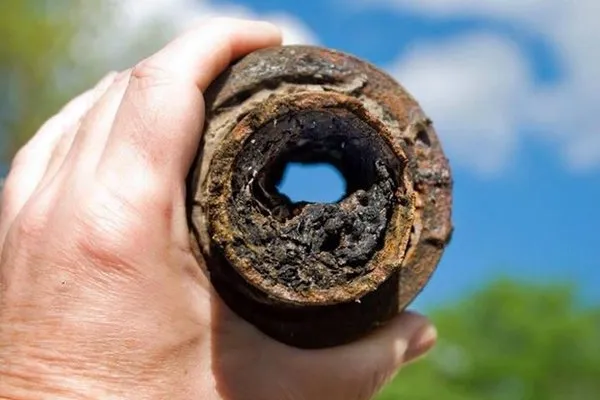
Roto-Rooter in Eau Claire, WI is a licensed plumbing and drain cleaning service available 24/7, offering a wide range of services including emergency plumbing, sewer cleaning, and water purification s...
Drainmaster is a licensed and insured plumbing service based in Chippewa Falls, WI, established in 2020. We specialize in drain repair, hydro-jetting, and septic services, offering comprehensive solut...
Since 1935, Roto-Rooter has been the trusted plumbing and septic service provider for Eau Claire, Chippewa Falls, Bloomer, and the surrounding communities. We specialize in a full range of residential...
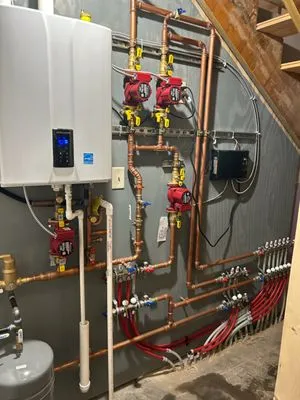
Duncan Creek Plumbing & Home Services is a locally owned and operated plumbing contractor serving the Chippewa Valley since 2017. As a licensed and insured full-service provider, we specialize in the ...
Reddi Rooter Drain Cleaning & Sewer Services is a trusted drainage and sewer specialist located in Eau Claire, Wisconsin. We provide comprehensive plumbing solutions for both homes and businesses thro...
Estimated Plumbing Costs in Bloomer, WI
Common Questions
What permits do I need for a plumbing repair in Bloomer?
Most significant repairs or replacements require a permit from the City of Bloomer Building Inspection department. As a master plumber licensed by the Wisconsin Department of Safety and Professional Services, I pull these permits and schedule the required inspections as part of the job. This ensures the work meets all state and local codes for safety and insurance purposes. My role is to handle that red tape so you don't have to navigate the process yourself.
Could the flat land around Bloomer Memorial Park cause plumbing issues?
The relatively plain terrain can complicate drainage. If the soil around your foundation has settled or the ground slope is insufficient, water from rain or snowmelt may pool instead of draining away. This saturates the soil and increases hydrostatic pressure against your foundation and basement floor, which can stress the main sewer line and lead to cracks or joint failures. Ensuring proper grading away from the house is a key preventative measure.
Does Bloomer's hard water damage water heaters?
Yes, significantly. Water from our municipal wells carries high mineral content that precipitates as scale inside tanks and on heating elements. In a water heater, this scale buildup acts as an insulator, forcing the unit to work harder and fail sooner. You'll see reduced hot water volume and higher energy bills. Installing a quality whole-house water softener is the standard defense here, and it will extend the life of every fixture and appliance.
Is my plumbing different living in a rural area versus in town?
The core piping in your house is the same, but the service connections differ. Homes on the outskirts of Bloomer likely have a private well and septic system, which adds components like a pressure tank, well pump, and septic field to maintain. In-town homes connect to city water and sewer mains, where issues like municipal pressure fluctuations or shared lateral lines become relevant. Knowing which system you have dictates the troubleshooting path for problems like low pressure or slow drains.
How fast can a plumber get to my house in Bloomer?
A local dispatch from my shop heads past Bloomer Memorial Park onto US-53, which provides a direct route to most neighborhoods. That puts average response times in the 20-30 minute window, depending on traffic and your exact location off the main corridor. Knowing these routes lets us plan efficiently, so we're loading the truck with the common parts for older copper systems before we even leave.
What's the most important plumbing prep for a Bloomer winter?
The critical move is to disconnect and drain your outdoor garden hoses before temperatures hit 5°F. A frozen hose bib can burst the pipe inside the wall, leading to a major leak you won't discover until the spring thaw. For homes with exposed pipes in crawl spaces or garages, adding pipe insulation is a must. Pay special attention to where lines run on north-facing exterior walls, as they get the coldest.
My Bloomer home was built in the 70s. Should I be worried about my plumbing?
Your copper pipes are now about 56 years old, which is a typical lifespan for our water conditions. In Downtown Bloomer, homeowners with pipes from that era are commonly seeing pinhole leaks, especially where pipes run through unheated spaces or near foundation walls. The copper thins from decades of mineral interaction, and failures often start at solder joints or fittings. Proactive inspection of accessible lines can identify weak spots before they become a major leak.
Why do my copper pipes keep springing pinhole leaks?
Copper piping installed around 1970 is prone to a specific type of corrosion called Type 1 pitting. Our municipal well water chemistry, combined with the pipe age, creates localized spots where the copper wall erodes from the inside out. You'll often find these leaks on horizontal hot water lines first. It's a systemic issue for this vintage, and spot repairs are usually temporary; full re-piping of affected branches is often the most reliable long-term solution.
