Top Emergency Plumbers in Bayside, WI, 53217 | Compare & Call

There are 152 plumbing companies server in Bayside WI
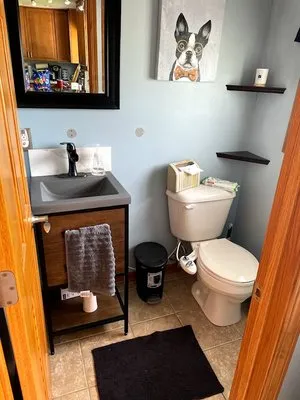
Faust Co is a licensed and bonded plumbing company serving Milwaukee, WI, with over 125 years of experience as a family-owned business since 1898. As the oldest union contractor in the area, they spec...

Heritage Plumbing is a family-owned and operated plumbing company serving South Milwaukee and the surrounding areas. We specialize in both residential and commercial plumbing services, offering repair...
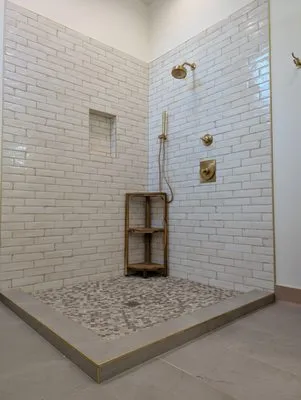
Optimal Plumbing is your trusted local plumbing specialist serving West Milwaukee, WI. We are a small, dedicated team focused on providing clear communication and reliable work for every job, from sim...
ABC Sewer & Drain Cleaning is a locally owned and operated Milwaukee plumbing company with over three decades of experience serving the community. We understand how disruptive a clogged drain or sewer...

Viking Plumbing
Viking Plumbing has been the trusted plumbing service for Oak Creek and the broader Milwaukee area since its founding in 2000. We are a local, licensed operation built on a Master Plumber's genuine pa...

Axis Mechanical is a locally owned and operated plumbing service in Milwaukee, built on a foundation of local expertise and a commitment to reliable craftsmanship. Owner-operated by a licensed plumber...
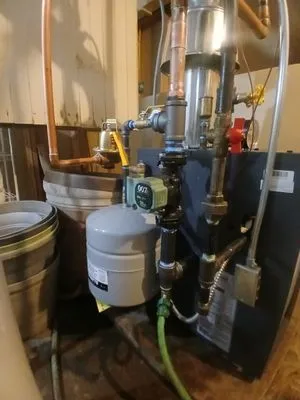
Barth Boiler is a family-owned and operated business serving Hales Corners, WI, with deep roots in boiler and HVAC services. Founded by a third-generation boilermaker with over a decade of specialized...

Debelak, Jon Plumbing & Heating is a Sussex-rooted, family-operated plumbing and heating business with a legacy dating back to 1994. Founded by Jon DeBelak, the company represents a third generation o...

Like Nu Enterprise began as a part-time passion for home projects in 2007, evolving into a dedicated full-time service in 2014. Based in West Milwaukee, we bring a combined 24 years of hands-on experi...

Bullseye Sewer & Drain is your trusted local plumbing expert serving Milwaukee, WI. We specialize in targeted solutions for common area problems like stubborn kitchen grease clogs that lead to slow dr...
Estimated Plumbing Costs in Bayside, WI
Q&A
What should I do before spring thaw to prevent plumbing problems?
Before temperatures rise above freezing, disconnect and drain outdoor hoses to prevent backflow into your interior pipes. Check that your main water shutoff valve operates smoothly—frozen valves often seize during winter. Insulate pipes in unheated crawl spaces, as rapid thawing can reveal weaknesses in older copper. These steps help avoid the burst pipe calls we typically see during spring thaw peaks.
How quickly can a plumber reach my home in Bayside during an emergency?
Heading past Doctors Park on I-43 gets me to most Bayside addresses within 20-30 minutes during normal traffic. That route provides direct access to both the older Bayside Estates neighborhood and newer developments. I keep a truck stocked with common copper fittings and emergency repair materials specifically for our area's aging infrastructure.
As a Bayside homeowner, what should I know about my connection to the municipal system?
Bayside's suburban setting means you're connected to municipal water and sewer systems with consistent pressure that tests older copper pipes daily. Tree roots from our mature landscaping frequently invade lateral lines at the connection point near the street. Municipal pressure fluctuations can exacerbate existing weaknesses in 60-year-old copper. Knowing your main shutoff location and having your lateral inspected every few years prevents most emergency situations.
Does Lake Michigan water damage my home's plumbing fixtures?
Lake Michigan provides our municipal water, which contains minerals that create hard water scaling throughout your plumbing system. This scale buildup reduces water heater efficiency by insulating heating elements and accumulates inside faucets and showerheads. Over time, it restricts flow and can cause premature failure of water heater elements and cartridge-style valves. A whole-house water softener significantly extends fixture lifespan.
Do I need permits for plumbing work in Bayside, and who handles that?
The Village of Bayside Building Department requires permits for most plumbing repairs and replacements, while the Wisconsin Department of Safety and Professional Services licenses all plumbing contractors. I handle the red tape so you don't have to—pulling permits, scheduling inspections, and ensuring all work meets current codes. My Wisconsin master plumber license guarantees the work passes municipal review without complicating your home insurance or future sales.
Why do my copper pipes keep developing pinhole leaks?
Copper pipes installed around 1966 often develop pinhole leaks due to electrolytic corrosion and scale buildup from our hard water. The copper thins over six decades of use, creating weak spots that eventually perforate. These leaks typically appear first at joints and elbows where water turbulence accelerates wear. Proper dielectric unions between copper and other metals can slow this process.
Could my home's location near Doctors Park affect my main sewer line?
The low-lying terrain around Doctors Park creates drainage challenges that stress main sewer lines. During heavy rains or snowmelt, groundwater can infiltrate older pipe joints, increasing pressure on your lateral connection to the municipal system. This hydrostatic pressure often causes joint separation or root intrusion at the property line. Proper grading away from your foundation helps divert surface water from your main line.
My Bayside Estates home was built around 1966 - should I be worried about my plumbing?
Your copper pipes are now 60 years old, which is near the end of their typical lifespan in our area. Homeowners in Bayside Estates are seeing increased frequency of pinhole leaks and joint failures as the copper thins from decades of water flow. These small leaks often start behind walls or under slabs, causing water damage before they become visible. Regular inspections can catch early signs like discolored water or reduced pressure.
