Top Emergency Plumbers in Athens, WI, 54411 | Compare & Call

There are 15 plumbing companies server in Athens WI

The Water Heater Guys are Marshfield's trusted plumbing specialists, dedicated to solving the common household issues local homeowners face. From persistent bathroom drain clogs to unexpected dishwash...

Southport Home Services
Southport Home Services is a trusted, locally-owned plumbing and HVAC contractor serving Wausau and the surrounding communities. We specialize in comprehensive home services, from routine maintenance ...
Mr. Rooter Plumbing of Wausau, locally owned by Mike and Tammy Ellis, brings over 20 years of combined experience to the Wausau area. As part of a national franchise with deep roots, they operate with...

PGA Inc. has been a trusted home services provider in the Wausau area since 1994, specializing in plumbing, HVAC, and electrical solutions. With nearly three decades of experience, we serve both resid...

Best-1 Plumbing & Heating
Best-1 Plumbing & Heating, Inc. has been a trusted Weston, WI plumbing and HVAC provider since its founding in 2000 by Jeff Rucinski. In 2023, Damien Donathan purchased the business, bringing his expe...

B&D Plumbing Inc. has been a trusted plumbing and excavation service provider in Wausau, WI, since 1965. With over 50 years of experience, our certified and licensed plumbers deliver professional resi...

Brandenburg Mechanical is a trusted, locally-owned plumbing, heating, and air conditioning contractor serving Mosinee and the surrounding communities. With over 20 years of experience, we are a fully ...

The Water Heater Guys
The Water Heater Guys are Schofield's trusted plumbing specialists, dedicated to keeping local homes safe and comfortable. We provide expert services including hot water recirculation pump installatio...
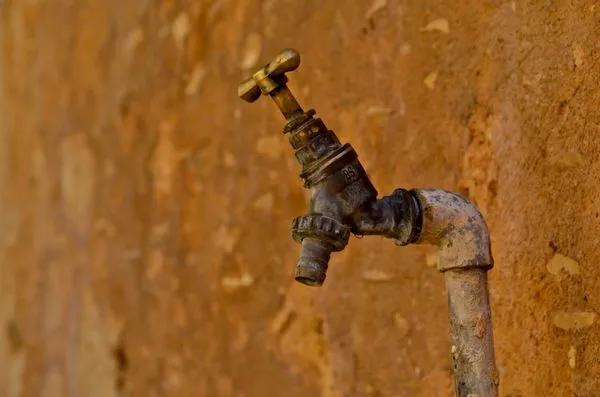
Joe's Plumbing Service is a Spencer, WI business built on a foundation of family tradition and hands-on experience. The owner's education began not in a classroom, but riding alongside his father in t...
Clog911 is an Athens-based plumbing and sewer service founded by Scott, a military veteran with extensive experience working for our local municipal sewer utility. Starting the business in 2019, Scott...
Estimated Plumbing Costs in Athens, WI
Question Answers
Could the flat land around Athens cause drainage problems for my home?
The relatively plain terrain means water has little natural slope to run off. During a heavy spring thaw or rain, saturated soil around your foundation can put hydrostatic pressure on basement walls and floor drains. It also means a compromised main sewer line from your house won't have much fall to assist flow, making partial blockages more frequent and noticeable.
Why do my copper pipes keep springing small leaks?
This is typically pitting corrosion, a common failure in 1970s-era copper. Hard, acidic water from private wells slowly eats at the pipe wall, creating weak spots that eventually perforate. The problem often starts at fittings where dissimilar metals meet without a proper dielectric union. Once one pinhole appears, others are likely to follow in the same plumbing run.
How long does it take for a plumber to get to my house in Athens?
From our dispatch point near the Athens Fairgrounds, we take State Highway 97 directly into the Village Center and surrounding roads. In clear conditions, that's a reliable 45-minute trip. We plan routes to avoid peak fairgrounds event traffic, and we call ahead with a firm window once we're on the road so you're not waiting.
Are copper pipes from the 1970s in Athens, WI a problem now?
Copper plumbing installed around 1979 is now 47 years old. Homeowners in the Village Center area often start to see a pattern of pinhole leaks, especially at soldered joints that have been stressed by decades of water pressure and thermal expansion. The original pipe walls are thinner than modern code allows, and the internal scale from our hard water accelerates wear. It's a predictable life-cycle issue for these properties.
Do I need a permit to replace a water heater or re-pipe my house in Marathon County?
Yes, most major plumbing work requires a permit from the Marathon County Planning and Zoning Department. As a master plumber licensed by the Wisconsin Department of Safety and Professional Services, I pull those permits, schedule the required inspections, and ensure the work meets all code. My crew handles that red tape so you don't have to navigate the process.
Is maintaining a private well and septic system different from city utilities?
It requires a more proactive mindset. You are your own water and sewer department. Annual well inspections and septic tank pumping every 3-5 years are not optional; they prevent much more costly emergencies. Any work on the well itself or the pressure system must be done by a licensed well driller or pump installer, which we coordinate when needed.
Does hard well water damage my plumbing fixtures?
Yes, the mineral content in our groundwater causes significant scale buildup. Inside a water heater, this scale acts as an insulator, forcing the unit to work harder and fail sooner. On faucet cartridges and shower valves, the grit can seize internal parts. A whole-house water softener is the standard fix here to protect your major appliances and extend their service life.
What should I do to prepare my plumbing for winter in the Athens snow belt?
The critical pro-tip is to disconnect and drain your garden hoses before the first hard freeze in late fall. A forgotten hose leaves water trapped in the bib, which can freeze and crack the pipe inside your basement wall. For homes with vulnerable crawl spaces, insulating those exterior lines is a wise precaution against our 4-degree lows.
