Top Emergency Plumbers in Algoma, WI, 54904 | Compare & Call

There are 20 plumbing companies server in Algoma WI
K Kelly Inc Heating Cooling & Plumbing
K Kelly Inc Heating Cooling & Plumbing has been a trusted provider in Green Bay and Northeast Wisconsin for over 30 years, offering comprehensive heating, cooling, plumbing, indoor air quality, and ra...
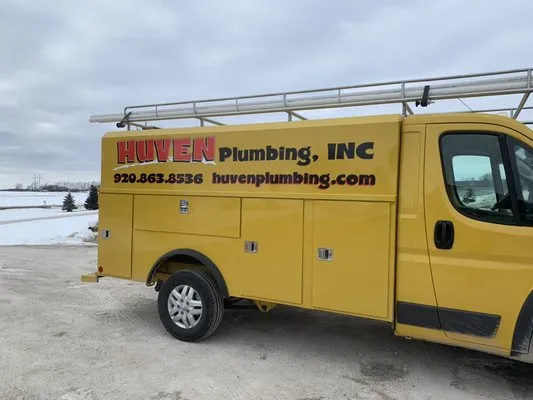
Huven Plumbing
Huven Plumbing is a trusted, full-service plumbing company serving Green Bay, WI, and the surrounding areas. We specialize in solving the common plumbing challenges local homeowners face, such as froz...

ASAP Sewer & Drain Cleaning | Green Bay
ASAP Sewer & Drain Cleaning is a family-owned plumbing business serving Howard, Green Bay, and surrounding communities since 1993. Founded by a Green Bay native with generations of plumbing expertise ...

TD Skilled Services is your local Pound, WI, contractor for comprehensive plumbing, remodeling, and new construction. We provide a full spectrum of services, from essential plumbing repairs and water ...

Gomach Plumbing is a trusted, family-run business serving the Fox Valley since 2015. Founded by Oshkosh native Luke, who honed his skills through an apprenticeship at Moraine Park Technical College an...
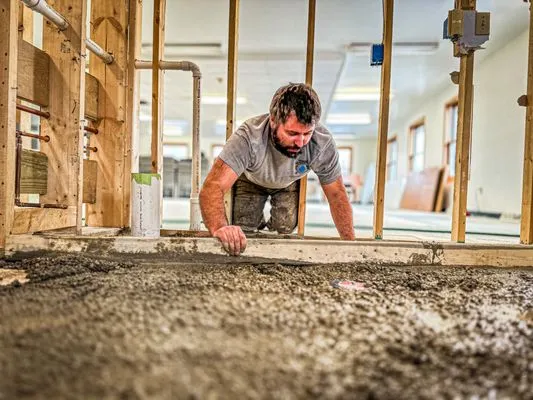
Scour Plumbing Drain and Sewer is a trusted, locally-owned plumbing service established in 2022 to serve Clintonville, WI, and the surrounding area. Our team of licensed and insured plumbers is dedica...
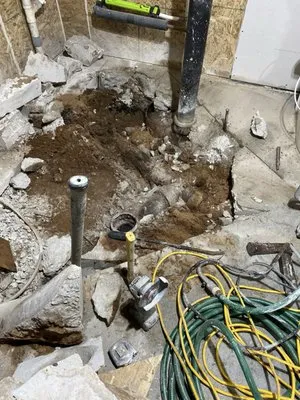
Royal Flush Plumbing Service
Royal Flush Plumbing Service is a family-owned and operated plumbing business serving De Pere, WI, and surrounding counties since 2014. With master plumber Andy bringing over two decades of industry e...
Peterson Custom Solutions is a state-licensed home improvement contractor serving the De Pere and greater Green Bay community. As a locally owned and operated business established in 2022, we bring a ...
Cheesehead Sewer & Drain Service is Howard's trusted local plumbing expert, specializing in comprehensive solutions for residential plumbing needs. Serving the Howard community, we address common loca...
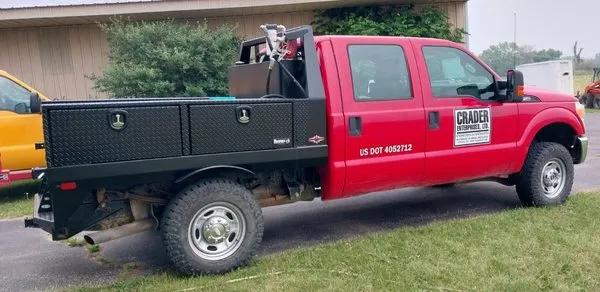
Crader Enterprises is a licensed engineering and plumbing service provider based in Little Suamico, WI, with over 20 years of experience serving agricultural, industrial, commercial, and residential c...
Estimated Plumbing Costs in Algoma, WI
Q&A
Why do so many Algoma homes have rusty water pressure issues lately?
Galvanized steel pipes were installed here around 1957, making them 69 years old in 2026. Their interior rusts and flakes over decades, a process accelerated by our hard water. In Downtown Algoma, this means you see a steady drop in pressure at faucets and showerheads as the pipe diameter shrinks from mineral and rust buildup. Complete blockages and leaks are common once pipes reach this age.
How fast can a plumber get to my house near Crescent Beach?
Heading past Crescent Beach on State Highway 42 is the main route for most service calls in the area. Traffic is usually light, so from that starting point, a typical dispatch to homes along the shore or in town takes 30 to 45 minutes. We factor in the time to load the truck with parts for common issues like galvanized pipe failures or water heater scale.
What's the most important thing to do before the spring thaw to avoid plumbing problems?
Before the spring thaw peaks, disconnect and drain any outdoor hoses. Water left in hose bibs and the connecting pipes inside your wall will freeze and expand during our 12-degree lows, then burst when it thaws. It’s a simple, five-minute task that prevents the most common and costly freeze-related burst pipes we see every year.
Do I need a permit from Algoma to replace my water heater?
Yes, the Algoma Building Inspection Department requires a permit for water heater replacement to ensure proper pressure relief valve and expansion tank installation, per state code. As a master plumber licensed by the Wisconsin Department of Safety and Professional Services, I pull the permit, schedule the inspection, and handle all the red tape so you don’t have to. This ensures the work is documented and compliant for your home’s records.
As a rural Algoma homeowner, what unique plumbing systems should I maintain?
Homes outside the municipal system rely on a private well and a septic system. The well pump and pressure tank require regular checks for sediment from the hard water, which can clog fixtures. Your septic tank needs pumping every three to five years; neglecting this can cause backups into the home and costly leach field failure. These systems are your responsibility, unlike city water and sewer.
Could the slope near Crescent Beach be causing my drainage issues?
The coastal terrain and sandy soil around Crescent Beach can shift during heavy rains or snowmelt, putting lateral stress on buried main sewer lines. This stress often leads to bellied pipes—a low spot where waste collects—or separated joints. If your home is on a slope, surface water can also overwhelm perimeter drains, leading to water intrusion in lower-level drains or floor drains.
What causes those small, persistent leaks in my basement pipes?
Pinhole leaks in 69-year-old galvanized steel are often due to internal corrosion called tuberculation. Rust pits the pipe wall from the inside out, especially at threaded joints where the protective zinc coating was cut during installation. In our climate, these weak spots can give way under constant pressure, leading to a slow drip that worsens with each freeze-thaw cycle.
Does Lake Michigan water shorten the life of my water heater?
Yes, the hard water drawn from Lake Michigan deposits scale, or limescale, rapidly inside appliances. In a water heater, this mineral layer acts as an insulator on the heating element, forcing it to work harder and fail sooner. You will also hear popping or rumbling sounds from the tank as scale breaks loose and settles on the bottom.
