Top Emergency Plumbers in Woods Creek, WA, 98272 | Compare & Call

There are 239 plumbing companies server in Woods Creek WA
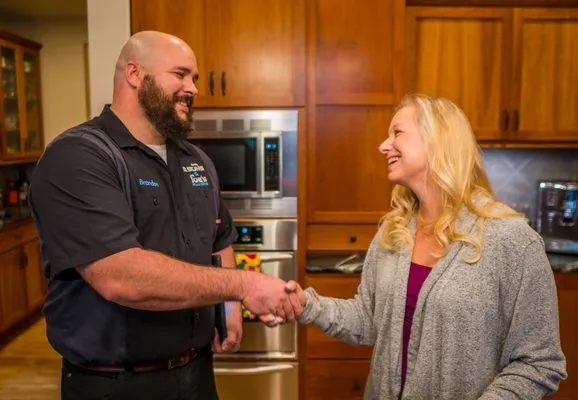
2 Sons Plumbing, Sewer, Electric, Heating & Air
My name is Tyler, and I'm one of the owners of 2 Sons Plumbing, Sewer, Electric, Heating & Air. I've been working in the Seattle plumbing industry for 28 years, learning everything from basic repairs ...

Bee's Plumbing And Heating
Bee's Plumbing and Heating is a locally-owned Seattle plumbing service founded by Ben and Melissa, a husband-and-wife team with deep roots in both the community and the trade. Ben, a former UW athlete...
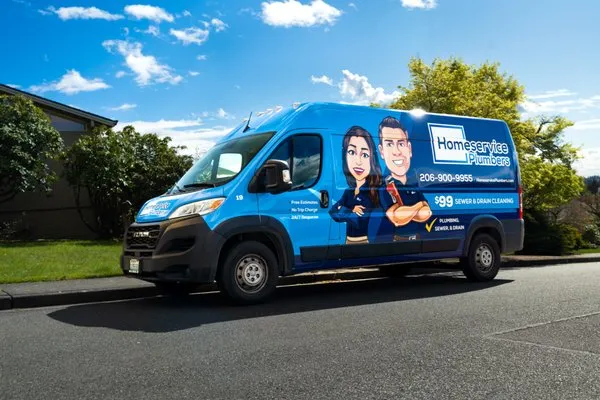
Homeservice Plumbers
Homeservice Plumbers is a licensed and bonded plumbing company serving Bellevue, WA, and surrounding areas. We provide comprehensive residential and commercial plumbing solutions, including emergency ...
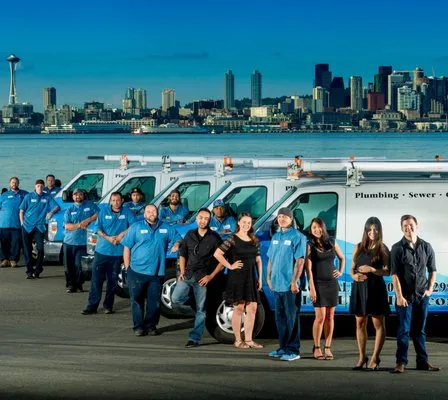
Ally Plumbing & Restoration
Ally Plumbing & Restoration is a family-owned plumbing and restoration company serving the Seattle Metropolitan area. Founded by a plumber who began his career in Hawaii, the business grew from a pass...
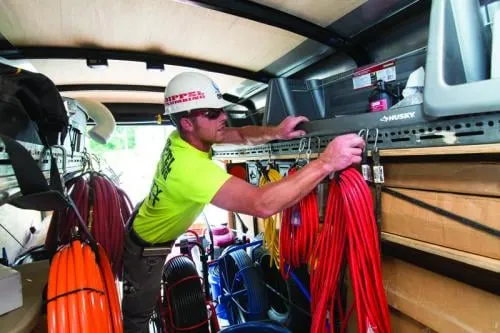
Einstein Plumbing is a trusted Seattle plumbing company serving homeowners and businesses throughout the greater Seattle area. We specialize in comprehensive plumbing solutions, from hot water recircu...
Two Brothers Water Heater Repair
Two Brothers Water Heater Repair is a family-operated plumbing service in Seattle, WA, founded by brothers who learned the trade from their father and gained experience working for various plumbing co...

Salish Plumbing Co. is a veteran, Native-owned plumbing company serving Shoreline, WA, and the surrounding communities. We provide a comprehensive range of services for both homes and businesses, from...
Seatown Electric Plumbing Heating and Air
Seatown Electric Plumbing Heating and Air is a Mukilteo-based, locally owned and operated home services provider founded by Brandon, who has over 15 years of industry experience. The company is built ...
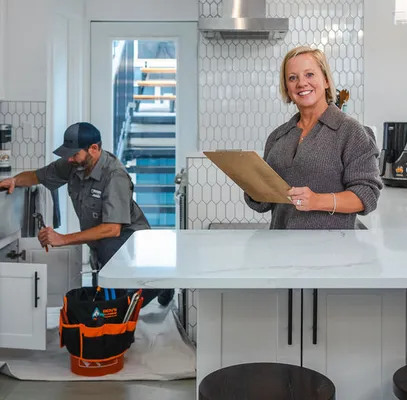
Ben's Plumbing Heating & Air
Ben's Plumbing Heating & Air is a trusted Seattle plumbing and HVAC service provider with over 28 years of experience serving both residential and commercial clients. Founded by Ben Foster, a licensed...
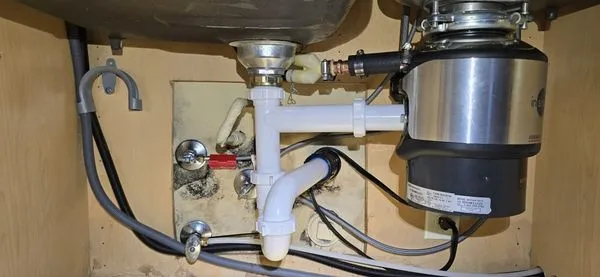
At JV Plumbing, owner and operator Jason brings over 20 years of hands-on plumbing experience to every job in Lake Stevens. His career began with four years at a plumbing supply warehouse, giving him ...
Estimated Plumbing Costs in Woods Creek, WA
Common Questions
Do I need permits for plumbing work in Snohomish County, and how does that process work?
Most plumbing projects here require permits from Snohomish County Planning and Development Services, and I handle that red tape for you. As a licensed professional with Washington State Department of Labor & Industries credentials, I manage inspections and code compliance to ensure work meets local standards. This includes everything from simple repairs to full system replacements, saving you time and ensuring your project is documented correctly for future sales or insurance.
My Woods Creek Estates home was built around 1985—should I be worried about my plumbing?
Your copper pipes are now about 41 years old, which puts them in the typical failure window for this area. Homeowners in Woods Creek Estates are seeing pinhole leaks and joint calcification as the copper thins from decades of acidic water exposure. These issues often start in hidden spots like behind walls or under slabs, so you might notice unexplained water stains or a gradual drop in water pressure before a major leak occurs. Regular inspections can catch problems early and prevent costly water damage.
Why does my water heater or fixtures corrode faster in Woods Creek?
Woods Creek's acidic, corrosive water accelerates wear on metal components like water heater anodes and fixture valves. This water chemistry dissolves protective coatings inside tanks and pipes, leading to premature failure and sediment buildup. Installing a whole-house water neutralizer or using corrosion-resistant materials for replacements can mitigate this. Regular anode rod checks in water heaters are crucial to prevent sudden breakdowns.
How quickly can a plumber reach my home in Woods Creek?
Heading past Wallace Falls State Park on US-2, I can typically reach most Woods Creek addresses within 45 to 60 minutes from dispatch. This route handles seasonal traffic well, but I plan for extra time during peak tourist months or winter weather. For emergencies like burst pipes, I prioritize direct routing to minimize water damage, so you can expect prompt service even in this rural setting.
Does the hilly terrain around Wallace Falls State Park affect my home's plumbing?
Yes, the steep slopes in this area put extra stress on main water lines and drainage systems. Gravity can cause soil shifting that strains pipe joints, while runoff during heavy rains may overwhelm older drainage setups. Proper grading around your foundation and regular checks on exposed piping for alignment issues help prevent leaks. In hilly lots, installing backflow preventers and reinforced pipe supports is often necessary.
What should I do to prevent frozen pipes during our cold winters?
With winter lows around 34°F, insulating exposed pipes in unheated areas like crawl spaces and garages is essential. Drain outdoor spigots before the first freeze and keep cabinet doors open to allow warm air circulation around interior plumbing. For extended absences, set your thermostat no lower than 55°F and consider a monitored alarm system. These steps reduce the risk of bursts that are common in our temperate but variable climate.
As a rural homeowner, what plumbing issues should I watch for with my well or septic system?
Rural properties here often rely on wells and septic systems, which require specific maintenance. Well pumps and pressure tanks can fail from sediment or corrosion, while septic fields in hilly terrain may need more frequent inspections to prevent backups. Test your water quality annually for acidity, and schedule septic pumping every 3–5 years depending on usage. Keeping records of service dates helps avoid surprises common in non-municipal setups.
What kind of plumbing problems are common in 1980s-era homes here?
Copper pipes installed around 1985 often develop pinhole leaks due to acidic water corrosion over four decades. Joint calcification is another issue, where mineral buildup at solder points restricts flow and weakens connections. These failures tend to cluster in areas with frequent temperature changes, like near exterior walls or in crawl spaces. Replacing affected sections with modern materials or installing dielectric unions can extend your system's life.
